Books Recommended by Bill Gates
 Bill Gates is one of the most famous entrepreneurs in the world, co-founder of Microsoft.
Born in Seattle, in 1955, he enrolled at Harvard College in 1973 but dropped out two years later when, together with Paul Allen, whom he met in preparatory school, they co-founded what was to become one of the largest companies in the world, Microsoft.
In 2017, more than 40 years later, Bill Gates was constantly ranked among the richest men in the world, and his company and its products were present in the lives of tens of millions of people.
You can read more about him on Wikipedia.
Besides his business ventures and philanthropic activity, Bill Gates is also known as an avid reader. His passion for reading is so big that a few years ago he started a blog, GatesNotes.com, where, even though he writes on several topics, the main focus is books. Business books, fiction books and everything else Bill Gates reads and considers is good enough to share and review.
He also mentions books with every public opportunity, such as his interviews, media appearances, and has stated many times that he considers reading one of the things that contributed to his success.
As of 2026, Gates is the sole chair of the Gates Foundation; he resigned from Microsoft’s board in 2020. In 2025, he published Source Code: My Beginnings, the first of three planned memoirs.
Books recommended by Bill Gates:
Reading lists by year: 2023 · 2022 · 2021 · 2019 · 2018 · 2017 · 2015 · 2013
Books by Bill Gates
123 books recommended by Bill Gates

Sapiens: A Brief History of Humankind
Both Melinda and I read this one, and it has sparked lots of great conversations at our dinner table. Harari takes on a daunting challenge: to tell the entire history of the human race in just 400 pages. He also writes about our species today… Read the full quote
Both Melinda and I read this one, and it has sparked lots of great conversations at our dinner table. Harari takes on a daunting challenge: to tell the entire history of the human race in just 400 pages. He also writes about our species today and how artificial intelligence, genetic engineering, and other technologies will change us in the future. Although I found things to disagree with—especially Harari’s claim that humans were better off before we started farming—I would recommend Sapiens to anyone who’s interested in the history and future of our species.

Principles: Life and Work
by Ray Dalio
Ray Dalio has provided me with invaluable guidance and insights that are now available to you in Principles.
Shoe Dog: A Memoir by the Creator of Nike
by Phil Knight
This memoir, by the co-founder of Nike, is a refreshingly honest reminder of what the path to business success really looks like: messy, precarious, and riddled with mistakes. I’ve met Knight a few times over the years. He’s super nice, but he’s also quiet and… Read the full quote
This memoir, by the co-founder of Nike, is a refreshingly honest reminder of what the path to business success really looks like: messy, precarious, and riddled with mistakes. I’ve met Knight a few times over the years. He’s super nice, but he’s also quiet and difficult to get to know. Here Knight opens up in a way few CEOs are willing to do. I don’t think Knight sets out to teach the reader anything. Instead, he accomplishes something better. He tells his story as honestly as he can. It’s an amazing tale.

Mindset: The New Psychology of Success
One of the reasons I loved Mindset is because it’s solutions-oriented. In the book’s final chapter, Dweck describes the workshop she and her colleagues have developed to shift students from a fixed to a growth mindset. These workshops demonstrate that ‘just learning about the growth… Read the full quote
One of the reasons I loved Mindset is because it’s solutions-oriented. In the book’s final chapter, Dweck describes the workshop she and her colleagues have developed to shift students from a fixed to a growth mindset. These workshops demonstrate that ‘just learning about the growth mindset can cause a big shift in the way people think about themselves and their lives.

Homo Deus: A Brief History of Tomorrow
Harari’s new book is as challenging and readable as Sapiens. Rather than looking back, as Sapiens does, it looks to the future. I don’t agree with everything the author has to say, but he has written a thoughtful look at what may be in store for humanity.

Bad Blood: Secrets and Lies in a Silicon Valley Startup
A bunch of my friends recommended this one to me. Carreyrou gives you the definitive insider’s look at the rise and fall of Theranos. The story is even crazier than I expected, and I found myself unable to put it down once I started. This… Read the full quote
A bunch of my friends recommended this one to me. Carreyrou gives you the definitive insider’s look at the rise and fall of Theranos. The story is even crazier than I expected, and I found myself unable to put it down once I started. This book has everything: elaborate scams, corporate intrigue, magazine cover stories, ruined family relationships, and the demise of a company once valued at nearly $10 billion.
Factfulness: Ten Reasons We’re Wrong about the World–and Why Things Are Better Than You Think
by Hans Rosling, Anna Rosling Rönnlund, Ola Rosling
This was a breakthrough to me. The framework Hans enunciates is one that took me decades of working in global development to create for myself, and I could have never expressed it in such a clear way. I’m going to try to use this model moving forward.

The Better Angels of Our Nature: Why Violence Has Declined
Stands out as one of the most important books I've read — not just this year, but ever.

The Road to Character
by David Brooks
The insightful New York Times columnist examines the contrasting values that motivate all of us. He argues that American society does a good job of cultivating the “résumé virtues” (the traits that lead to external success) but not our “eulogy virtues” (the traits that lead… Read the full quote
The insightful New York Times columnist examines the contrasting values that motivate all of us. He argues that American society does a good job of cultivating the “résumé virtues” (the traits that lead to external success) but not our “eulogy virtues” (the traits that lead to internal peace of mind). Brooks profiles various historical figures who were paragons of character. I thought his portrait of World War II General George Marshall was especially enlightening. Even if the distinction between the two types of virtues is not always crystal clear, The Road to Character gave me a lot to think about. It is a thought-provoking look at what it means to live life well.

Blitzscaling: The Lightning-Fast Path to Building Massively Valuable Companies
The case studies you’re about to explore and the tools you’re about to gain have never been more relevant. This is an ideal moment to be reading this book.

Team of Rivals: The Political Genius of Abraham Lincoln
I loved Goodwin’s Team of Rivals and highly recommend this one too.

When Breath Becomes Air
I don’t know how Kalanithi found the physical strength to write this book while he was so debilitated by the disease and then potent chemotherapy. But I’m so glad he did. He spent his whole brief life searching for meaning in one way or another… Read the full quote
I don’t know how Kalanithi found the physical strength to write this book while he was so debilitated by the disease and then potent chemotherapy. But I’m so glad he did. He spent his whole brief life searching for meaning in one way or another -- through books, writing, medicine, surgery, and science. I’m grateful that, by reading this book, I got to witness a small part of that journey. I just wish the journey hadn’t been cut so short

Business Adventures: Twelve Classic Tales from the World of Wall Street
by John Brooks
Brooks’s work is a great reminder that the rules for running a strong business and creating value haven’t changed. For one thing, there’s an essential human factor in every business endeavor. It doesn’t matter if you have a perfect product, production plan, and marketing pitch; you’ll still need the right people to lead and implement those plans.

Leonardo da Vinci
I think Leonardo was one of the most fascinating people ever. Although today he’s best known as a painter, Leonardo had an absurdly wide range of interests, from human anatomy to the theater. Isaacson does the best job I’ve seen of pulling together the different… Read the full quote
I think Leonardo was one of the most fascinating people ever. Although today he’s best known as a painter, Leonardo had an absurdly wide range of interests, from human anatomy to the theater. Isaacson does the best job I’ve seen of pulling together the different strands of Leonardo’s life and explaining what made him so exceptional. A worthy follow-up to Isaacson’s great biographies of Albert Einstein and Steve Jobs.

Born a Crime: Stories from a South African Childhood
by Trevor Noah
As a longtime fan of The Daily Show, I loved reading this memoir about how its host honed his outsider approach to comedy over a lifetime of never quite fitting in. Born to a black South African mother and a white Swiss father in apartheid… Read the full quote
As a longtime fan of The Daily Show, I loved reading this memoir about how its host honed his outsider approach to comedy over a lifetime of never quite fitting in. Born to a black South African mother and a white Swiss father in apartheid South Africa, he entered the world as a biracial child in a country where mixed race relationships were forbidden. Much of Noah’s story of growing up in South Africa is tragic. Yet, as anyone who watches his nightly monologues knows, his moving stories will often leave you laughing.

Educated: A Memoir
Tara never went to school or visited a doctor until she left home at 17. I never thought I’d relate to a story about growing up in a Mormon survivalist household, but she’s such a good writer that she got me to reflect on my… Read the full quote
Tara never went to school or visited a doctor until she left home at 17. I never thought I’d relate to a story about growing up in a Mormon survivalist household, but she’s such a good writer that she got me to reflect on my own life while reading about her extreme childhood. Melinda and I loved this memoir of a young woman whose thirst for learning was so strong that she ended up getting a Ph.D. from Cambridge University.

Evicted: Poverty and Profit in the American City
If you want a good understanding of how the issues that cause poverty are intertwined, you should read this book about the eviction crisis in Milwaukee. Desmond has written a brilliant portrait of Americans living in poverty. He gave me a better sense of what it is like to be poor in this country than anything else I have read.

Hillbilly Elegy: A Memoir of a Family and Culture in Crisis
by J. D. Vance
The disadvantaged world of poor white Appalachia described in this terrific, heartbreaking book is one that I know only vicariously. Vance was raised largely by his loving but volatile grandparents, who stepped in after his father abandoned him and his mother showed little interest in… Read the full quote
The disadvantaged world of poor white Appalachia described in this terrific, heartbreaking book is one that I know only vicariously. Vance was raised largely by his loving but volatile grandparents, who stepped in after his father abandoned him and his mother showed little interest in parenting her son. Against all odds, he survived his chaotic, impoverished childhood only to land at Yale Law School. While the book offers insights into some of the complex cultural and family issues behind poverty, the real magic lies in the story itself and Vance’s bravery in telling it.

Moonwalking with Einstein: The Art and Science of Remembering Everything
by Joshua Foer
Of the five books I finished over vacation, the one that impressed me the most – and that is probably of broadest interest – is Moonwalking with Einstein: The Art and Science of Remembering Everything, by science writer Joshua Foer. This is an absolutely phenomenal… Read the full quote
Of the five books I finished over vacation, the one that impressed me the most – and that is probably of broadest interest – is Moonwalking with Einstein: The Art and Science of Remembering Everything, by science writer Joshua Foer. This is an absolutely phenomenal book that looks at memory and techniques for dramatically improving memory. Foer actually mastered these techniques, which led him to the finals of the U.S. Memory Championship. His book gives fascinating insights into how the mind works.

Origin Story: A Big History of Everything
David created my favorite course of all time, Big History. It tells the story of the universe from the big bang to today’s complex societies, weaving together insights and evidence from various disciplines into a single narrative. If you haven’t taken Big History yet, Origin… Read the full quote
David created my favorite course of all time, Big History. It tells the story of the universe from the big bang to today’s complex societies, weaving together insights and evidence from various disciplines into a single narrative. If you haven’t taken Big History yet, Origin Story is a great introduction. If you have, it’s a great refresher. Either way, the book will leave you with a greater appreciation of humanity’s place in the universe.

Being Nixon: A Man Divided
by Evan Thomas
I was a little surprised to learn what a bad manager Nixon was. Although it doesn’t compare to his other failings, Nixon’s management style offers some good reminders of how not to run a team. He avoided conflict at all costs. His staff frequently left… Read the full quote
I was a little surprised to learn what a bad manager Nixon was. Although it doesn’t compare to his other failings, Nixon’s management style offers some good reminders of how not to run a team. He avoided conflict at all costs. His staff frequently left meetings with diametrically opposed views on what he had just asked them to do. Or he would be crystal-clear about what he wanted, while actually expecting his staff to ignore his demands. His team wisely blew off his repeated orders to break into the Brookings Institution, a Washington think tank, and steal a document that might be damaging to him.

Believe Me: A Memoir of Love, Death, and Jazz Chickens
by Eddie Izzard
Izzard’s personal story is fascinating: he survived a difficult childhood and worked relentlessly to overcome his lack of natural talent and become an international star. If you’re a huge fan of him like I am, you’ll love this book. His written voice is very similar… Read the full quote
Izzard’s personal story is fascinating: he survived a difficult childhood and worked relentlessly to overcome his lack of natural talent and become an international star. If you’re a huge fan of him like I am, you’ll love this book. His written voice is very similar to his stage voice, and I found myself laughing out loud several times while reading it.

Capital in the Twenty-First Century
Capital sparked a fantastic global discussion this year about inequality. Piketty kindly spent an hour discussing his work with me before I finished my review. As I told him, although I have concerns about some of his secondary points and policy prescriptions, I agree with… Read the full quote
Capital sparked a fantastic global discussion this year about inequality. Piketty kindly spent an hour discussing his work with me before I finished my review. As I told him, although I have concerns about some of his secondary points and policy prescriptions, I agree with his most important conclusions: inequality is a growing problem and that governments should play a role in reducing it. I admire his work and hope it draws in more smart people to study the causes of, and cures for, inequality.

From the Ground Up: A Journey to Reimagine the Promise of America
Howard Schultz’s story is a clear reminder that success is not achieved through individual determination alone, but through partnership and community. Howard’s commitment to both have helped him build one of the world’s most recognized brands. It will be exciting to see what he accomplishes next.

The Sixth Extinction: An Unnatural History
The Sixth Extinction: An Unnatural History, by Elizabeth Kolbert. Climate change is a big problem—one of the biggest we’ll face this century—but it’s not the only environmental concern on the horizon. Humans are putting down massive amounts of pavement, moving species around the planet, over-fishing… Read the full quote
The Sixth Extinction: An Unnatural History, by Elizabeth Kolbert. Climate change is a big problem—one of the biggest we’ll face this century—but it’s not the only environmental concern on the horizon. Humans are putting down massive amounts of pavement, moving species around the planet, over-fishing and acidifying the oceans, changing the chemical composition of rivers, and more. Natural scientists posit that there have been five extinction events in the Earth’s history (think of the asteroid that wiped out the dinosaurs), and Kolbert makes a compelling case that human activity is leading to the sixth. Unlike a lot of people who write about the environment, Kolbert doesn’t resort to hype. She just lays out the facts and wraps them in memorable anecdotes. It’s a sobering but engaging and informative read.

The Sympathizer
Most of the books I’ve read and movies I’ve seen about the Vietnam War focused on the American perspective. Nguyen’s award-winning novel offers much-needed insight into what it was like to be Vietnamese and caught between both sides. Despite how dark it is, The Sympathizer is a gripping story about a double agent and the trouble he gets himself into.
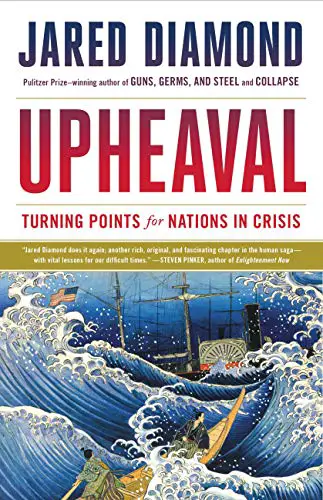
Upheaval: Turning Points for Nations in Crisis
I’m a big fan of everything Jared has written, and his latest is no exception. The book explores how societies react during moments of crisis. He uses a series of fascinating case studies to show how nations managed existential challenges like civil war, foreign threats,… Read the full quote
I’m a big fan of everything Jared has written, and his latest is no exception. The book explores how societies react during moments of crisis. He uses a series of fascinating case studies to show how nations managed existential challenges like civil war, foreign threats, and general malaise. It sounds a bit depressing, but I finished the book even more optimistic about our ability to solve problems than I started.

Winners Take It All: The Elite Charade of Changing the World
In Anand’s thought-provoking book his fresh perspective on solving complex societal problems is admirable. I appreciate his commitment and dedication to spreading social justice.

A Full Life: Reflections at Ninety
by Jimmy Carter
Even though the former President has already written more than two dozen books, he somehow managed to save some great anecdotes for this quick, condensed tour of his fascinating life. I loved reading about Carter’s improbable rise to the world’s highest office. The book will… Read the full quote
Even though the former President has already written more than two dozen books, he somehow managed to save some great anecdotes for this quick, condensed tour of his fascinating life. I loved reading about Carter’s improbable rise to the world’s highest office. The book will help you understand how growing up in rural Georgia in a house without running water, electricity, or insulation shaped—for better and for worse—his time in the White House. Although most of the stories come from previous decades, A Full Life feels timely in an era when the public’s confidence in national political figures and institutions is low.

A Gentleman in Moscow
by Amor Towles
It seems like everyone I know has read this book. I finally joined the club after my brother-in-law sent me a copy, and I’m glad I did. Towles’s novel about a count sentenced to life under house arrest in a Moscow hotel is fun, clever,… Read the full quote
It seems like everyone I know has read this book. I finally joined the club after my brother-in-law sent me a copy, and I’m glad I did. Towles’s novel about a count sentenced to life under house arrest in a Moscow hotel is fun, clever, and surprisingly upbeat. Even if you don’t enjoy reading about Russia as much as I do (I’ve read every book by Dostoyevsky), A Gentleman in Moscow is an amazing story that anyone can enjoy.

Behind the Beautiful Forevers: Life, Death, and Hope in a Mumbai Undercity
Katherine Boo spent three years getting to know the people of Annawadi, a slum of about 3,000 people on the edge of a sewage-filled lake in India’s largest city. Her book is a poignant reminder of how much more work needs to be done to… Read the full quote
Katherine Boo spent three years getting to know the people of Annawadi, a slum of about 3,000 people on the edge of a sewage-filled lake in India’s largest city. Her book is a poignant reminder of how much more work needs to be done to address the inequities in the world. But it’s also an uplifting story of people striving to make a life for themselves, sacrificing for their families, and in their own way, being innovative and entrepreneurial in creating a vibrant local economy.

Enlightenment Now: The Case for Reason, Science, Humanism, and Progress
Pinker is at his best when he analyzes historic trends and uses data to put the past into context. I was already familiar with a lot of the information he shares—especially about health and energy—but he understands each subject so deeply that he’s able to… Read the full quote
Pinker is at his best when he analyzes historic trends and uses data to put the past into context. I was already familiar with a lot of the information he shares—especially about health and energy—but he understands each subject so deeply that he’s able to articulate his case in a way that feels fresh and new.
I love how he’s willing to dive deep into primary data sources and pull out unexpected signs of progress. I tend to point to things like dramatic reductions in poverty and childhood deaths, because I think they’re such a good measure of how we’re doing as a society. Pinker covers those areas, but he also looks at more obscure topics.
Here are five of my favorite facts from the book that show how the world is improving:
- 1. You’re 37 times less likely to be killed by a bolt of lightning than you were at the turn of the century—and that’s not because there are fewer thunderstorms today. It’s because we have better weather prediction capabilities, improved safety education, and more people living in cities.
- 2. Time spent doing laundry fell from 11.5 hours a week in 1920 to an hour and a half in 2014. This might sound trivial in the grand scheme of progress. But the rise of the washing machine has improved quality of life by freeing up time for people—mostly women—to enjoy other pursuits. That time represents nearly half a day every week that could be used for everything from binge-watching Ozark or reading a book to starting a new business.
- 3. You’re way less likely to die on the job. Every year, 5,000 people die from occupational accidents in the U.S. But in 1929—when our population was less than two-fifths the size it is today—20,000 people died on the job. People back then viewed deadly workplace accidents as part of the cost of doing business. Today, we know better, and we’ve engineered ways to build things without putting nearly as many lives at risk.
- 4. The global average IQ score is rising by about 3 IQ points every decade. Kids’ brains are developing more fully thanks to improved nutrition and a cleaner environment. Pinker also credits more analytical thinking in and out of the classroom. Think about how many symbols you interpret every time you check your phone’s home screen or look at a subway map. Our world today encourages abstract thought from a young age, and it’s making us smarter.
- 5. War is illegal. This idea seems obvious. But before the creation of the United Nations in 1945, no institution had the power to stop countries from going to war with each other. Although there have been some exceptions, the threat of international sanctions and intervention has proven to be an effective deterrent to wars between nations.

Getting Better: Why Global Development Is Succeeding
I know from personal experience that stepping into the public square to announce that foreign aid is important and effective can be lonely work. Charles Kenny’s elegant book on the impact of aid carefully documents how the quality of life—even in the world’s poorest countries—has… Read the full quote
I know from personal experience that stepping into the public square to announce that foreign aid is important and effective can be lonely work. Charles Kenny’s elegant book on the impact of aid carefully documents how the quality of life—even in the world’s poorest countries—has improved dramatically over the past several decades. With reams of solid data to support his case, he argues that governments and aid agencies have played an important role in this progress.

How Not to Be Wrong: The Power of Mathematical Thinking
The writing is funny, smooth, and accessible -- not what you might expect from a book about math. What Ellenberg has written is ultimately a love letter to math. If the stories he tells add up to a larger lesson, it’s that 'to do mathematics… Read the full quote
The writing is funny, smooth, and accessible -- not what you might expect from a book about math. What Ellenberg has written is ultimately a love letter to math. If the stories he tells add up to a larger lesson, it’s that 'to do mathematics is to be, at once, touched by fire and bound by reason' -- and that there are ways in which we’re all doing math, all the time.

How to Lie with Statistics
by Darrell Huff
I picked this one up after seeing it on a Wall Street Journal list of good books for investors. It was first published in 1954, but it doesn’t feel dated (aside from a few anachronistic examples—it has been a long time since bread cost 5… Read the full quote
I picked this one up after seeing it on a Wall Street Journal list of good books for investors. It was first published in 1954, but it doesn’t feel dated (aside from a few anachronistic examples—it has been a long time since bread cost 5 cents a loaf in the United States). In fact, I’d say it’s more relevant than ever. One chapter shows you how visuals can be used to exaggerate trends and give distorted comparisons. It’s a timely reminder, given how often infographics show up in your Facebook and Twitter feeds these days. A great introduction to the use of statistics, and a great refresher for anyone who’s already well versed in it.

Lincoln in the Bardo
I thought I knew everything I needed to know about Abraham Lincoln, but this novel made me rethink parts of his life. It blends historical facts from the Civil War with fantastical elements—it’s basically a long conversation among 166 ghosts, including Lincoln’s deceased son. I… Read the full quote
I thought I knew everything I needed to know about Abraham Lincoln, but this novel made me rethink parts of his life. It blends historical facts from the Civil War with fantastical elements—it’s basically a long conversation among 166 ghosts, including Lincoln’s deceased son. I got new insight into the way Lincoln must have been crushed by the weight of both grief and responsibility. This is one of those fascinating, ambiguous books you’ll want to discuss with a friend when you’re done.

Presidents of War
My interest in all aspects of the Vietnam War is the main reason I decided to pick up this book. By the time I finished it, I learned a lot not only about Vietnam but about the eight other major conflicts the U.S. entered between… Read the full quote
My interest in all aspects of the Vietnam War is the main reason I decided to pick up this book. By the time I finished it, I learned a lot not only about Vietnam but about the eight other major conflicts the U.S. entered between the turn of the 19th century and the 1970s. Beschloss’s broad scope lets you draw important cross-cutting lessons about presidential leadership.
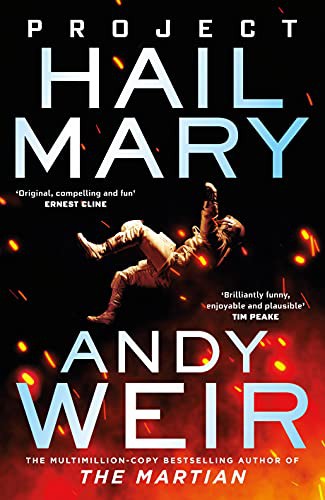

Seveneves
Seveneves reminded me of all the things I love about science fiction. It is a great novel to get lost in, learn from, and think about. More than anything else, it has me thinking I should get back to reading sci-fi again.

Stress Test: Reflections on Financial Crises
by Tim Geithner
The central irony of Stress Test is that a guy who was accused of being a lousy communicator as U.S. Treasury Secretary has penned a book that is such a good read. Geithner paints a compelling human portrait of what it was like to be… Read the full quote
The central irony of Stress Test is that a guy who was accused of being a lousy communicator as U.S. Treasury Secretary has penned a book that is such a good read. Geithner paints a compelling human portrait of what it was like to be fighting a global financial meltdown while at the same time fighting critics inside and outside the Administration as well as his own severe guilt over his near-total absence from his family. The politics of fighting financial crises will always be ugly. But it helps if the public knows a little more about the subject—what’s at stake, what the options are, what has worked in similar situations—so that the loud talkers resonate a bit less and the knowledgeable ones a bit more. If Stress Test continues to attract lay readers, it could make at least a modest difference the next time around.

Stuff Matters: Exploring the Marvelous Materials That Shape Our Man-Made World
Mark Miodownik’s personal and professional obsession, as he explains in his book Stuff Matters, is basic materials we often take for granted such as paper, glass, concrete, and steel -- as well as new super-materials that will change our world in the decades ahead. I’m… Read the full quote
Mark Miodownik’s personal and professional obsession, as he explains in his book Stuff Matters, is basic materials we often take for granted such as paper, glass, concrete, and steel -- as well as new super-materials that will change our world in the decades ahead. I’m pleased to report that he is a witty, smart writer who has a great talent for imparting his love of this subject. As a result, Stuff Matters is a fun, accessible read.

The Box: How the Shipping Container Made the World Smaller and the World Economy Bigger
You might think you don’t want to read a whole book about shipping containers. And Levinson is pretty self-aware about what an unusual topic he chose. But he makes a good case that the move to containerized shipping had an enormous impact on the global… Read the full quote
You might think you don’t want to read a whole book about shipping containers. And Levinson is pretty self-aware about what an unusual topic he chose. But he makes a good case that the move to containerized shipping had an enormous impact on the global economy and changed the way the world does business. And he turns it into a very readable narrative. I won’t look at a cargo ship in quite the same way again.

The Headspace Guide to Meditation and Mindfulness: How Mindfulness Can Change Your Life in Ten Minutes a Day
I’m sure 25-year-old me would scoff at this one, but Melinda and I have gotten really into meditation lately. The book starts with Puddicombe’s personal journey from a university student to a Buddhist monk and then becomes an entertaining explainer on how to meditate. If you’re thinking about trying mindfulness, this is the perfect introduction.
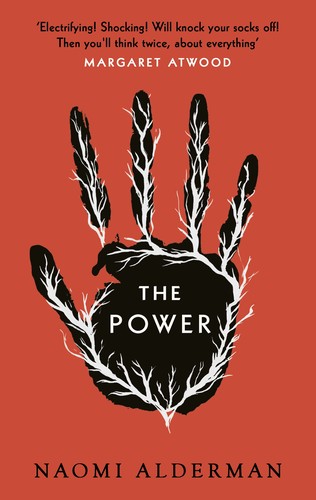
The Power
I’m glad that I followed my older daughter’s recommendation and read this novel.

The Rosie Project: A Novel
Anyone who occasionally gets overly logical will identify with the hero, a genetics professor with Asperger’s Syndrome who goes looking for a wife. (Melinda thought I would appreciate the parts where he’s a little too obsessed with optimizing his schedule. She was right.) It’s an… Read the full quote
Anyone who occasionally gets overly logical will identify with the hero, a genetics professor with Asperger’s Syndrome who goes looking for a wife. (Melinda thought I would appreciate the parts where he’s a little too obsessed with optimizing his schedule. She was right.) It’s an extraordinarily clever, funny, and moving book about being comfortable with who you are and what you’re good at. I’m sending copies to several friends and hope to re-read it later this year. This is one of the most profound novels I’ve read in a long time.

The Vital Question: Energy, Evolution, and the Origins of Complex Life
by Nick Lane
Nick is one of those original thinkers who makes you say: More people should know about this guy's work. He is trying to right a scientific wrong by getting people to fully appreciate the role that energy plays in all living things. Even if the… Read the full quote
Nick is one of those original thinkers who makes you say: More people should know about this guy's work. He is trying to right a scientific wrong by getting people to fully appreciate the role that energy plays in all living things. Even if the details of Nick's work turn out to be wrong, I suspect his focus on energy will be seen as an important contribution to our understanding of where we come from.

What If?: Serious Scientific Answers to Absurd Hypothetical Questions
The subtitle of the book is “Serious Scientific Answers to Absurd Hypothetical Questions,” and that’s exactly what it is. People write Munroe with questions that range over all fields of science: physics, chemistry, biology. Questions like, “From what height would you need to drop a… Read the full quote
The subtitle of the book is “Serious Scientific Answers to Absurd Hypothetical Questions,” and that’s exactly what it is. People write Munroe with questions that range over all fields of science: physics, chemistry, biology. Questions like, “From what height would you need to drop a steak for it to be cooked when it hit the ground?” (The answer, it turns out, is “high enough that it would disintegrate before it hit the ground.”) Munroe’s explanations are funny, but the science underpinning his answers is very accurate. It’s an entertaining read, and you’ll also learn a bit about things like ballistics, DNA, the oceans, the atmosphere, and lightning along the way.

Why Nations Fail: The Origins of Power, Prosperity, and Poverty
by Daron Acemoglu, James Robinson
"I read two books that raise big, interesting questions about social change and technological progress. I’m planning to write longer reviews of each of these books, but let me flag them for you now. One is Why Nations Fail: The Origins of Power, Prosperity, and… Read the full quote
"I read two books that raise big, interesting questions about social change and technological progress. I’m planning to write longer reviews of each of these books, but let me flag them for you now. One is Why Nations Fail: The Origins of Power, Prosperity, and Poverty by Daron Acemoglu and James A. Robinson.The topic of this book is why some countries have prospered and created great living conditions for their citizens while others have not. This is an important topic, which I care a lot about. The book makes an appealing argument that economic development depends on political institutions that protect individual rights. It is well written and very easy to read with lots of interesting historical stories about different countries. But it is a major disappointment. Its analysis is vague and simplistic. I’ll explain more in a longer review."

21 Lessons for the 21st Century
Harari is such a stimulating writer that even when I disagreed, I wanted to keep reading and thinking. All three of his books wrestle with some version of the same question: What will give our lives meaning in the decades and centuries ahead? So far,… Read the full quote
Harari is such a stimulating writer that even when I disagreed, I wanted to keep reading and thinking. All three of his books wrestle with some version of the same question: What will give our lives meaning in the decades and centuries ahead? So far, human history has been driven by a desire to live longer, healthier, happier lives. If science is eventually able to give that dream to most people, and large numbers of people no longer need to work in order to feed and clothe everyone, what reason will we have to get up in the morning?
It’s no criticism to say that Harari hasn’t produced a satisfying answer yet. Neither has anyone else. So I hope he turns more fully to this question in the future. In the meantime, he has teed up a crucial global conversation about how to take on the problems of the 21st century.

A Nation of Wusses: How America’s Leaders Lost the Guts to Make Us Great
by Ed Rendell
One of the shorter, fun books I read this summer is A Nation of Wusses: How America’s Leaders Lost the Guts to Make Us Great. It’s by Ed Rendell, who was district attorney, mayor of Philadelphia and then two-term governor of Pennsylvania. If you’ve heard… Read the full quote
One of the shorter, fun books I read this summer is A Nation of Wusses: How America’s Leaders Lost the Guts to Make Us Great. It’s by Ed Rendell, who was district attorney, mayor of Philadelphia and then two-term governor of Pennsylvania. If you’ve heard him speak or seen him on TV, you know he’s a colorful and outspoken observer of political life in the U.S. No surprise, then, that this book is colorful too,with lots of great stories. His theme is that leaders shouldn’t just tell people what they want to hear. But because politics has become so intensely partisan, too often our political leaders seem to be afraid to tell us the truth and to actually lead us in making the hard choices we need to face up to, on issues like education reform and the federal deficit. As a mayor and governor, Rendell faced up to some very messed-up budget situations and made some smart trade-offs. I thought his point of view was really refreshing. He makes a good point about how politics has changed in ways that make it harder for leaders to emerge and to truly lead.
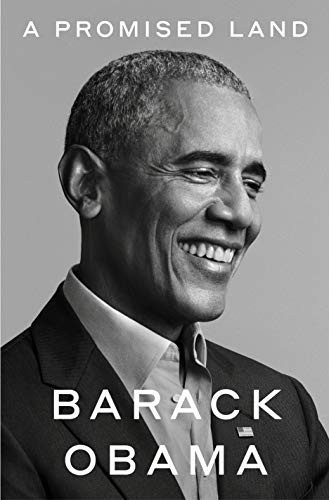
A Promised Land
by Barack Obama
I am almost always interested in books about American presidents, and I especially loved A Promised Land.
A Thousand Brains
by Jeff Hawkins
If you’re interested in learning more about what it might take to create a true AI, this book offers a fascinating theory.

Academically Adrift: Limited Learning on College Campuses
The most troubling reading I did on vacation was Academically Adrift: Limited Learning on College Campuses, by two sociologists, Richard Arum and Josipa Roksa, who examine the evidence on what college students actually learn. I was surprised how little data there is on this important… Read the full quote
The most troubling reading I did on vacation was Academically Adrift: Limited Learning on College Campuses, by two sociologists, Richard Arum and Josipa Roksa, who examine the evidence on what college students actually learn. I was surprised how little data there is on this important question. Even more disturbing, the data cited by the authors indicates that students may not learn very much. In their first two years of college, many U.S. college students advance very little in important skills like critical thinking, complex reasoning and writing.
I was really surprised to read that. The data shows that students today spend much less time actually studying, and they take less rigorous courses, most of which don’t require them to do much writing, for example. And yet even so, many students do not complete their degrees. Graduation rates from U.S. colleges are much lower than in many other countries. What’s going on in higher educationis a topic I care a lot about, and I basically agree with the authors’ findings that we have a real problem. I plan to take a deeper dive into this topic with a full review of Academically Adrift, which I’ll post in a few weeks.
An Elegant Defense
by Matt Richtel
Their stories make for a super interesting look at the science of immunity.

Army of None: Autonomous Weapons and the Future of War
by Paul Scharre
Autonomous weapons aren’t exactly top of mind for most around the holidays, but this thought-provoking look at A.I. in warfare is hard to put down. It’s an immensely complicated topic, but Scharre offers clear explanations and presents both the pros and cons of machine-driven warfare.… Read the full quote
Autonomous weapons aren’t exactly top of mind for most around the holidays, but this thought-provoking look at A.I. in warfare is hard to put down. It’s an immensely complicated topic, but Scharre offers clear explanations and presents both the pros and cons of machine-driven warfare. His fluency with the subject should come as no surprise: he’s a veteran who helped draft the U.S. government’s policy on autonomous weapons.

Awakening Joy: 10 Steps That Will Put You on the Road to Real Happiness
by James Baraz, Shoshana Alexander
Much more upbeat is Awakening Joy: 10 Steps That Will Put You on the Road to Real Happiness, by James Baraz and Shoshana Alexander. I don’t read a lot of self-help or inspirational books, but even if you never read anything in this genre, this… Read the full quote
Much more upbeat is Awakening Joy: 10 Steps That Will Put You on the Road to Real Happiness, by James Baraz and Shoshana Alexander. I don’t read a lot of self-help or inspirational books, but even if you never read anything in this genre, this book is one you should try. It’s about enjoying your life, consciously picking the things that make life more enjoyable and purposefully thinking about them. It shows how to think about spirituality and purpose in your life. Baraz teaches a very popular course and has an online lecture series on this. Melinda and I actually went to one of his seminars. He’s a very nice guy, and Awakening Joy is very good.
Born in Blackness
I’m a student of Africa, but I still learned a lot from this thoughtful, well-researched book.
Brave New Words
by Salman Khan
He’s well aware that innovation has had only a marginal impact in the classroom so far but makes a compelling case that AI will be different.

Buffett: The Making of an American Capitalist
Other books have been written about Warren Buffett and his investment strategy, but until Warren writes his own book, this is the one to read.

Collapse: How Societies Choose to Fail or Succeed
I found this to be an interesting follow-up to the excellent Guns, Germs, and Steel. It examines the downfall of some of history's greatest civilizations.

Energy and Civilization: A History
by Vaclav Smil
Smil is one of my favorite authors, and this is his masterpiece. He lays out how our need for energy has shaped human history—from the era of donkey-powered mills to today’s quest for renewable energy. It’s not the easiest book to read, but at the… Read the full quote
Smil is one of my favorite authors, and this is his masterpiece. He lays out how our need for energy has shaped human history—from the era of donkey-powered mills to today’s quest for renewable energy. It’s not the easiest book to read, but at the end you’ll feel smarter and better informed about how energy innovation alters the course of civilizations.

Energy Myths and Realities: Bringing Science to the Energy Policy Debate
by Vaclav Smil
Vaclav Smil is probably my favorite living author. If you care about energy issues, I recommend this volume, though its unvarnished look at the realities of energy use and infrastructure may be disconcerting to anyone who thinks solving our energy problems will be easy. Smil… Read the full quote
Vaclav Smil is probably my favorite living author. If you care about energy issues, I recommend this volume, though its unvarnished look at the realities of energy use and infrastructure may be disconcerting to anyone who thinks solving our energy problems will be easy. Smil provides a rational framework for evaluating energy promises and important lessons to keep in mind if we’re to avert the looming climate crisis.

Epic Measures: One Doctor. Seven Billion Patients
Chris’s story is told well in Jeremy Smith’s book Epic Measures: One Doctor. Seven Billion Patients, which came out earlier this year. It’s a highly readable account for anyone who wants to know more about Chris’s work and why it matters.

Eradication: Ridding the World of Diseases Forever?
Finally, a word of warning: Eradication is written in a very academic style, and it may be a challenge for non-experts to get to Stepan’s valuable arguments. It’s worth the effort, though, because you come away from it with a clearer sense of what the… Read the full quote
Finally, a word of warning: Eradication is written in a very academic style, and it may be a challenge for non-experts to get to Stepan’s valuable arguments. It’s worth the effort, though, because you come away from it with a clearer sense of what the world has learned about getting rid of diseases and how we can use that to guide the effort to save even more lives.

Everything Happens for a Reason and Other Lies I’ve Loved
by Kate Bowler
When Bowler, a professor at Duke Divinity School, is diagnosed with stage IV colon cancer, she sets out to understand why it happened. Is it a test of her character? The result is a heartbreaking, surprisingly funny memoir about faith and coming to grips with your own mortality.
Hamnet
If you’re a Shakespeare fan, you’ll love this moving novel about how his personal life might’ve influenced the writing of one of his most famous plays.

Harvesting the Biosphere: What We Have Taken from Nature
by Vaclav Smil
There is no author whose books I look forward to more than Vaclav Smil. Here he gives as clear and as numeric a picture as is possible of how humans have altered the biosphere. The book is a bit dry and I had to look… Read the full quote
There is no author whose books I look forward to more than Vaclav Smil. Here he gives as clear and as numeric a picture as is possible of how humans have altered the biosphere. The book is a bit dry and I had to look up a number of terms that were unfamiliar to me, but it tells a critical story if you care about the impact we’re having on the planet.

House on Fire: The Fight to Eradicate Smallpox
This book gives you a great view from the front lines of that battle.

How Asia Works
by Joe Studwell
Studwell produces compelling answers to two of the greatest questions in development economics: How did countries like Japan, Taiwan, South Korea, and China achieve sustained, high growth? And why have so few other countries managed to do so? His answers come in the form of… Read the full quote
Studwell produces compelling answers to two of the greatest questions in development economics: How did countries like Japan, Taiwan, South Korea, and China achieve sustained, high growth? And why have so few other countries managed to do so? His answers come in the form of a simple—and yet hard to execute—formula:
- (1) create conditions for small farmers to thrive,
- (2) use the proceeds from agricultural surpluses to build a manufacturing base focused on exports, and
- (3) nurture both these sectors with financial institutions closely controlled by the government.
The agriculture section of the book was particularly insightful. It provided ample food for thought for me as well as the whole Agriculture team at our foundation. And it left us thinking about whether parts of the Asian model can apply in Africa.
How to Know a Person
by David Brooks
I liked David’s previous book, The Road to Character, but this one is even better.

How To: Absurd Scientific Advice for Common Real-World Problems
Brilliant... a wonderful guide for curious minds.

Hyperbole and a Half: Unfortunate Situations, Flawed Coping Mechanisms, Mayhem, and Other Things That Happened
by Allie Brosh
While she self-deprecatingly depicts herself in words and art as an odd outsider, we can all relate to her struggles. Rather than laughing at her, you laugh with her. It is no hyperbole to say I love her approach -- looking, listening, and describing with… Read the full quote
While she self-deprecatingly depicts herself in words and art as an odd outsider, we can all relate to her struggles. Rather than laughing at her, you laugh with her. It is no hyperbole to say I love her approach -- looking, listening, and describing with the observational skills of a scientist, the creativity of an artist, and the wit of a comedian.

I Contain Multitudes: The Microbes Within Us and a Grander View of Life
by Ed Yong
Yong succeeds in his intention to give us a 'grander view of life' and does so without falling prey to grand, unifying explanations that are far too simplistic. He presents our inner ecosystems in all their wondrous messiness and complexity. And he offers realistic optimism… Read the full quote
Yong succeeds in his intention to give us a 'grander view of life' and does so without falling prey to grand, unifying explanations that are far too simplistic. He presents our inner ecosystems in all their wondrous messiness and complexity. And he offers realistic optimism that our growing knowledge of the human microbiome will lead to great new opportunities for enhancing our health.

Infections and Inequalities: The Modern Plagues
by Paul Farmer
In this book he really opens your eyes to the vast differences between the health of the rich and the health of the poor.
Infectious Generosity
If you want to help create a more equitable world but don’t know where to start, Infectious Generosity is for you.

Interventions: A Life in War and Peace
by Kofi Annan, Nader Mousavizadeh
It was helpful to learn about the other side of Annan’s work at the UN -- peacekeeping issues and the work of the Security Council. It is clearly very challenging work. One day, the Secretary-General has to be an impartial arbiter of disputes among member… Read the full quote
It was helpful to learn about the other side of Annan’s work at the UN -- peacekeeping issues and the work of the Security Council. It is clearly very challenging work. One day, the Secretary-General has to be an impartial arbiter of disputes among member states. The next, he has to challenge member countries he believes are not acting in the interest of world peace. Surviving in that position for 10 years says a lot about Annan’s diplomatic skills.
Invention and Innovation
by Vaclav Smil
If you want to know how human ingenuity brought us to this moment in time, I highly recommend Invention and Innovation.

Klara and the Sun
I love a good robot story, and Ishiguro’s novel about an “artificial friend” to a sick young girl is no exception.
Lights Out
by Thomas Gryta, Ted Mann
How could a company as big and successful as GE fail? I’ve been thinking about that question for several years, and Lights Out finally gave me many of the answers I was seeking.

Making the Modern World: Materials and Dematerialization
by Vaclav Smil
One of Smil’s books makes my list of favorites pretty much every year. This time it’s his look at the world’s use of materials, from silicon to wood to plastic and cement. If anyone tries to tell you we’re using fewer materials, send him this… Read the full quote
One of Smil’s books makes my list of favorites pretty much every year. This time it’s his look at the world’s use of materials, from silicon to wood to plastic and cement. If anyone tries to tell you we’re using fewer materials, send him this book. With his usual skepticism and his love of data, Smil shows how our ability to make things with less material—say, soda cans that need less aluminum—makes them cheaper, which actually encourages more production. We’re using more stuff than ever.
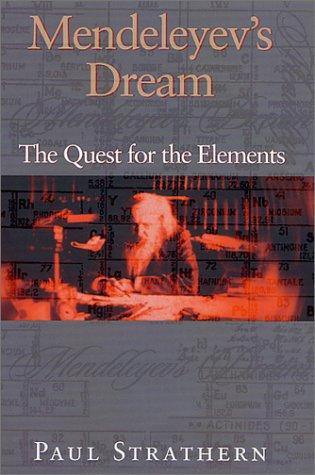
Mendeleyev’s Dream
It’s a fascinating look at how science develops and how human curiosity has evolved over the millennia.

Nine Pints: A Journey Through the Money, Medicine, and Mysteries of Blood
by Rose George
If you get grossed out by blood, this one probably isn’t for you. But if you’re like me and find it fascinating, you’ll enjoy this book by a British journalist with an especially personal connection to the subject. I’m a big fan of books that… Read the full quote
If you get grossed out by blood, this one probably isn’t for you. But if you’re like me and find it fascinating, you’ll enjoy this book by a British journalist with an especially personal connection to the subject. I’m a big fan of books that go deep on one specific topic, so Nine Pints (the title refers to the volume of blood in the average adult) was right up my alley. It’s filled with super-interesting facts that will leave you with a new appreciation for blood.
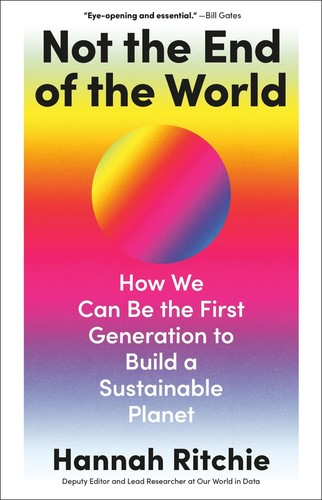
Not the End of the World
Everyone who wants to have an informed conversation about climate change should read this book.

On Immunity: An Inoculation
by Eula Biss
The eloquent essayist Eula Biss uses the tools of literary analysis, philosophy, and science to examine the speedy, inaccurate rumors about childhood vaccines that have proliferated among well-meaning American parents. Biss took up this topic not for academic reasons but because of her new role… Read the full quote
The eloquent essayist Eula Biss uses the tools of literary analysis, philosophy, and science to examine the speedy, inaccurate rumors about childhood vaccines that have proliferated among well-meaning American parents. Biss took up this topic not for academic reasons but because of her new role as a mom. This beautifully written book would be a great gift for any new parent.

Poor Numbers: How We Are Misled by African Development Statistics and What to Do about It
Jerven, an economist, spent four years digging into how African nations get their statistics and the challenges they face in turning them into GDP estimates. He makes a strong case that a lot of GDP measurements we thought were accurate are far from it. But… Read the full quote
Jerven, an economist, spent four years digging into how African nations get their statistics and the challenges they face in turning them into GDP estimates. He makes a strong case that a lot of GDP measurements we thought were accurate are far from it. But as I argue in my longer review, that doesn’t mean we know nothing about what works in development.

Reinventing American Health Care
Reinventing American Health Care: How the Affordable Care Act Will Improve Our Terribly Complex, Blatantly Unjust, Outrageously Expensive, Grossly Inefficient, Error Prone System, by Ezekiel J. Emanuel. One of the architects of the Affordable Care Act (a.k.a. Obamacare) makes the case for why the U.S.… Read the full quote
Reinventing American Health Care: How the Affordable Care Act Will Improve Our Terribly Complex, Blatantly Unjust, Outrageously Expensive, Grossly Inefficient, Error Prone System, by Ezekiel J. Emanuel. One of the architects of the Affordable Care Act (a.k.a. Obamacare) makes the case for why the U.S. health care system needed reform and how Obamacare sets out to fix the problems. Although he was deeply involved in its creation, Emanuel is good about making it clear when he’s educating you about the history of health care and when he’s advocating for his ideas. He calls out a few things he disagreed with in Obamacare, like the creation of a separate health-insurance exchange for small businesses. And unlike a lot of experts, he’s willing to make predictions about how health care will change in the coming years. Some day we’ll be able to look back and see whether he was right. The facts and history that Emanuel lays out would be useful to anyone involved in the debate over health care, no matter what their point of view is.

Should We Eat Meat? Evolution and Consequences of Modern Carnivory
by Vaclav Smil
I can’t think of anyone better equipped to present a clear-eyed analysis of this subject than Vaclav Smil. I have written several times before about how much I admire Smil’s work. When he tackles a subject, he doesn’t look at just one piece of it.… Read the full quote
I can’t think of anyone better equipped to present a clear-eyed analysis of this subject than Vaclav Smil. I have written several times before about how much I admire Smil’s work. When he tackles a subject, he doesn’t look at just one piece of it. He examines every angle. Even if I don’t agree with all of his conclusions, I always learn a lot from reading him.
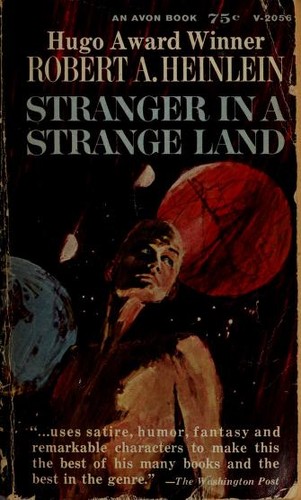
Stranger in a Strange Land
Paul Allen and I fell in love with Heinlein when we were just kids, and this book is still one of my favorite sci-fi novels of all time.
Sustainable Materials Without the Hot Air
by Julian M. Allwood, Jonathan M. Cullen
I was surprised to learn how many opportunities there are to reduce overall use of materials. For example, although I knew about basic recycling efforts like collecting aluminum cans at the office, I hadn’t realized how much reuse is possible at an industrial level. The… Read the full quote
I was surprised to learn how many opportunities there are to reduce overall use of materials. For example, although I knew about basic recycling efforts like collecting aluminum cans at the office, I hadn’t realized how much reuse is possible at an industrial level. The authors argue that when a product -- say, a building or car -- is discarded, the materials in it are often still usable. (Reusing is much better than recycling, because recycling takes yet more energy.) If you throw out your old refrigerator, the steel is probably still in good condition. So is the steel in old buildings, as long as there hasn’t been a fire or earthquake. It could be reused, if you could take it apart easily and get it to someone who wanted that shape.

Tap Dancing to Work: Warren Buffett on Practically Everything, 1966-2013
I already posted a full review of Tap Dancing to Work, a collection of writings about Warren Buffett put together by his friend Carol J. Loomis. I can’t resist an opportunity to recommend this book again. It's very, very good. The pieces go back more… Read the full quote
I already posted a full review of Tap Dancing to Work, a collection of writings about Warren Buffett put together by his friend Carol J. Loomis. I can’t resist an opportunity to recommend this book again. It's very, very good. The pieces go back more than 40 years some of them, and it’s very interesting to see how Warren framed things years ago and how he’s dealt with certain challenges since. You get to see how consistent Warren’s framework has been, how he has always looked at the world in terms of integrity and financial valuation. There are some speeches in here that offer great insights into how Warren evaluates stock markets over time and how to assess the margin of safety available in investments at any point in time. I thought the book was super good.

The Art of Being Unreasonable: Lessons in Unconventional Thinking
by Eli Broad
Eli Broad is definitely not a wuss. I enjoyed his succinct memoir, The Art of Being Unreasonable: Lessons in Unconventional Thinking. Broad has had huge success in business, as the leader of KB Home and then SunAmerica. Now retired, he’s become an important philanthropist in… Read the full quote
Eli Broad is definitely not a wuss. I enjoyed his succinct memoir, The Art of Being Unreasonable: Lessons in Unconventional Thinking. Broad has had huge success in business, as the leader of KB Home and then SunAmerica. Now retired, he’s become an important philanthropist in areas including education,which is how I’ve gotten to know him. He attributes a lot of his success to his willingness to defy convention. For example, he admits he’s an impatient guy who hates for people to waste his time, so he won’t go to any event for more than three hours. He believes you may have to be “unreasonable” sometimes to accomplish your goals. He’s certainly accomplished a lot.

The Best We Could Do
by Thi Bui
This gorgeous graphic novel is a deeply personal memoir that explores what it means to be a parent and a refugee. The author’s family fled Vietnam in 1978. After giving birth to her own child, she decides to learn more about her parents’ experiences growing up in a country torn apart by foreign occupiers.

The Bet: Paul Ehrlich, Julian Simon, and Our Gamble over Earth’s Future
by Paul Sabin
Sabin chronicles the public debate about whether the world is headed for an environmental catastrophe. He centers the story on Paul Ehrlich and Julian Simon, who wagered $1,000 on whether human welfare would improve or get worse over time. Without ridiculing either proponent, Sabin shows… Read the full quote
Sabin chronicles the public debate about whether the world is headed for an environmental catastrophe. He centers the story on Paul Ehrlich and Julian Simon, who wagered $1,000 on whether human welfare would improve or get worse over time. Without ridiculing either proponent, Sabin shows how their extreme views contributed to the polarized debate over climate change and other issues that continues today.

The Bully Pulpit: Theodore Roosevelt and the Golden Age of Journalism
I’m especially interested in the central question that Doris Kearns Goodwin raises in The Bully Pulpit. How does social change happen? Can it be driven by a single inspirational leader, or do other factors have to lay the groundwork first? Sometimes a single leader can… Read the full quote
I’m especially interested in the central question that Doris Kearns Goodwin raises in The Bully Pulpit. How does social change happen? Can it be driven by a single inspirational leader, or do other factors have to lay the groundwork first? Sometimes a single leader can make a big difference: In the field of global health, Jim Grant almost single-handedly created a global constituency for children, sparking a movement to double vaccination rates and save millions of lives. But Roosevelt’s case was different. Although he tried to push through a number of political reforms earlier in his career, he wasn’t really successful until journalists at McClure’s and other publications had rallied public support for change.
The Code Breaker
Isaacson does a good job highlighting the most important ethical questions around gene editing.

The Fever: How Malaria Has Ruled Humankind for 500,000 Years
by Sonia Shah
If you want to read just one book about malaria, The Fever is probably the best choice. Author Sonia Shah doesn’t overwhelm you with data and analytics, but she does cover the whole history of the disease, which—as the title suggests—goes back further than you… Read the full quote
If you want to read just one book about malaria, The Fever is probably the best choice. Author Sonia Shah doesn’t overwhelm you with data and analytics, but she does cover the whole history of the disease, which—as the title suggests—goes back further than you might think. The book was published in 2010, so it’s not totally up to date (most notably, we’ve made progress with rolling out bed nets since then). But it’s a great overview of malaria, its impact, and the solutions to it.

The Future of Capitalism: Facing the New Anxieties
by Paul Collier
Collier’s latest book is a thought-provoking look at a topic that’s top of mind for a lot of people right now. Although I don’t agree with him about everything—I think his analysis of the problem is better than his proposed solutions—his background as a development economist gives him a smart perspective on where capitalism is headed.

The Gene: An Intimate History
"Mukherjee wrote this book for a lay audience, because he knows that the new genome technologies are at the cusp of affecting us all in profound ways," Gates wrote. Mukherjee is what Gates calls a "quadruple threat." He's a practicing physician, teacher, researcher, and author.

The Grid: The Fraying Wires Between Americans and Our Energy Future
This book, about our aging electrical grid, fits in one of my favorite genres: 'Books About Mundane Stuff That Are Actually Fascinating.
The Inner Game of Tennis
This book from 1974 is a must-read for anyone who plays tennis, but I think even people who have never played will get something out of it.
The Lincoln Highway
by Amor Towles
I put Towles’s A Gentleman in Moscow on my summer books list back in 2019, but I liked this follow-up novel even more.

The Magic of Reality: How We Know What’s Really True
Dawkins, an evolutionary biologist at Oxford, has a gift for making science enjoyable. This book is as accessible as the TV series Cosmos is for younger audiences—and as relevant for older audiences. It’s an engaging, well-illustrated science textbook offering compelling answers to big questions, like… Read the full quote
Dawkins, an evolutionary biologist at Oxford, has a gift for making science enjoyable. This book is as accessible as the TV series Cosmos is for younger audiences—and as relevant for older audiences. It’s an engaging, well-illustrated science textbook offering compelling answers to big questions, like “how did the universe form?” and “what causes earthquakes?” It’s also a plea for readers of all ages to approach mysteries with rigor and curiosity. Dawkins’s antagonistic (and, to me, overzealous) view of religion has earned him a lot of angry critics, but I consider him to be one of the great scientific writer/explainers of all time.

The Man Who Fed the World
by Leon Hesser
Norm Borlaug is one of my heroes—and Leon Hesser’s biography is a fascinating account of Borlaug’s life and accomplishments. This is a story of genius, self-sacrifice, and determination. Borlaug was a remarkable scientist and humanitarian whose work in agriculture is rightfully credited with saving the lives of over a billion people.
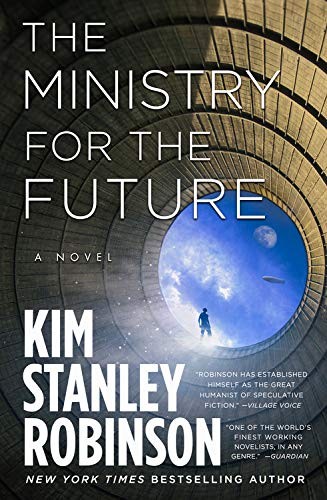

The Most Powerful Idea in the World: A Story of Steam, Industry and Invention
I just finished reading The Most Powerful Idea in the World: A Story of Steam, Industry and Invention by William Rosen. It focuses on the Industrial Revolution basically from the Newcomen atmospheric engine in 1712 to the Stephen Rocket Locomotive in 1850. It does a… Read the full quote
I just finished reading The Most Powerful Idea in the World: A Story of Steam, Industry and Invention by William Rosen. It focuses on the Industrial Revolution basically from the Newcomen atmospheric engine in 1712 to the Stephen Rocket Locomotive in 1850. It does a great job of explaining how thousands of innovations were driven during this period by many elements coming together: increased literacy, patents, societies, scientist/tinkerers, the cotton industry, trade/shipping, measurement, etc. It is a great book although its helps to have an interest in how steam engines actually work since it chronicles how they changed over time in some depth. This book is very worthwhile, and I’ll have more to say about it also in a longer review.

The Myth of the Strong Leader: Political Leadership in the Modern Age
by Archie Brown
This year’s fierce election battle prompted me to pick up this 2014 book, by an Oxford University scholar who has studied political leadership—good, bad, and ugly—for more than 50 years. Brown shows that the leaders who make the biggest contributions to history and humanity generally… Read the full quote
This year’s fierce election battle prompted me to pick up this 2014 book, by an Oxford University scholar who has studied political leadership—good, bad, and ugly—for more than 50 years. Brown shows that the leaders who make the biggest contributions to history and humanity generally are not the ones we perceive to be “strong leaders.” Instead, they tend to be the ones who collaborate, delegate, and negotiate—and recognize that no one person can or should have all the answers. Brown could not have predicted how resonant his book would become in 2016.
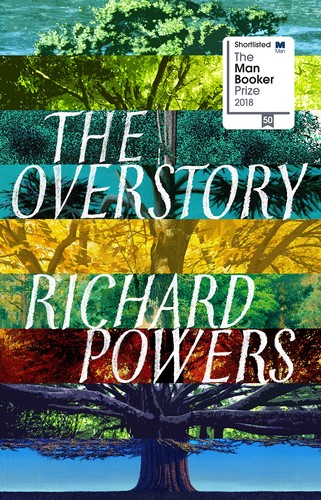

The Power to Compete: An Economist and an Entrepreneur on Revitalizing Japan in the Global Economy
by Hiroshi Mikitani, Ryoichi Mikitani
The book is a quick read at just over 200 pages. Although I don’t agree with everything in Hiroshi’s program, I think he has a number of good ideas. He talks about bringing more women into the workforce and encouraging more people to learn and… Read the full quote
The book is a quick read at just over 200 pages. Although I don’t agree with everything in Hiroshi’s program, I think he has a number of good ideas. He talks about bringing more women into the workforce and encouraging more people to learn and use English. And I would love to see Japanese companies become more innovative -- not just because it will make them more competitive, but because the whole world benefits from great ideas and technologies, whoever invents them.

The Price of Inequality: How Today’s Divided Society Endangers Our Future
I have mixed feelings about The Price of Inequality: How Today’s Divided Society Endangers Our Future by Joseph E. Stiglitz. Stiglitz’s contributions are important in that he really does a good job of articulating the issues of inequality and the economic factors that underlie it.… Read the full quote
I have mixed feelings about The Price of Inequality: How Today’s Divided Society Endangers Our Future by Joseph E. Stiglitz. Stiglitz’s contributions are important in that he really does a good job of articulating the issues of inequality and the economic factors that underlie it. He raises important questions about whether it’s getting harder for people in the U.S. to move up the economic ladder. He makes a pretty rational case for keeping things like the estate tax and for increasing taxes as part of how you close the budget deficit. On these ideas, I found a lot of common ground with Stiglitz. But he seems to think that government is totally benign, and he is very skeptical of the private sector. The private sector’s obligations and its relative contributions to the economy are an interesting topic for discussion. But Stiglitz seems to demonize the category as a whole. I wonder if many of his policy solutions would make things worse by incentivizing business to put even more money and effort into currying favor with Washington.

The Quest: Energy, Security, and the Remaking of the Modern World
Another great book I read recently was The Quest, by Daniel Yergin. For anyone interested in the dynamics shaping our energy future and all of the innovation around energy, it’s a fantastic book. In addition to my review of his book, I’ve also posted a… Read the full quote
Another great book I read recently was The Quest, by Daniel Yergin. For anyone interested in the dynamics shaping our energy future and all of the innovation around energy, it’s a fantastic book. In addition to my review of his book, I’ve also posted a response from the author to the follow-up questions I had about the important topics covered in his book.

The Rosie Effect
The hilarious follow-up to The Rosie Project, one of the best novels I’ve read in ages. There’s no sophomore slump here. Simsion brings back some of the best characters and gags from the first novel while also bringing in enough new elements to keep it… Read the full quote
The hilarious follow-up to The Rosie Project, one of the best novels I’ve read in ages. There’s no sophomore slump here. Simsion brings back some of the best characters and gags from the first novel while also bringing in enough new elements to keep it fresh. It’s a funny novel that also made me think about relationships: what makes them work and how we have to keep investing time and energy to make them better. A sweet, entertaining, and thought-provoking book.

The Signal and the Noise: Why So Many Predictions Fail – but Some Don’t
by Nate Silver
Anyone interested in politics may be attracted to Nate Silver’s The Signal and the Noise: Why So Many Predictions Fail—but Some Don't. Silver is the New York Times columnist who got a lot of attention last fall for predicting—accurately, as it turned out–the results of… Read the full quote
Anyone interested in politics may be attracted to Nate Silver’s The Signal and the Noise: Why So Many Predictions Fail—but Some Don't. Silver is the New York Times columnist who got a lot of attention last fall for predicting—accurately, as it turned out–the results of the U.S. presidential election. This book actually came out before the election, though, and it’s about predictions in many domains besides politics. Silver knows a lot about baseball, and I especially liked his explanation of hold’em poker. A few pages – where he talks about how early computers supposedly made everything less efficient—are utter nonsense. I wish he had gone into more depth on some things, like why it is that voters are increasingly polarized. I liked the book, though I wish he’d gone deeper on a number of topics.
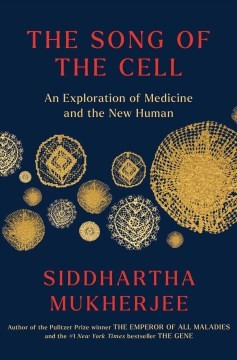
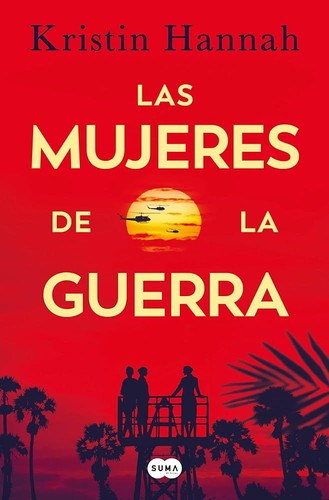
The Women
It’s a beautifully written tribute to a group of veterans who deserve more appreciation for the incredible sacrifices they made.

The World Until Yesterday: What Can We Learn from Traditional Societies?
It’s not as good as Diamond’s Guns, Germs, and Steel. But then, few books are. Diamond finds fascinating anecdotes about what life is like for hunter-gatherers and asks which ones might apply to our modern lifestyles. He doesn’t make some grand pronouncement or romanticize tribal life. He just wants to find the best practices and share them.

Thing Explainer: Complicated Stuff in Simple Words
Thing Explainer is filled with cool basic knowledge about how the world works. If one of Munroe’s drawings inspires you to go learn more about a subject—including a few extra terms—then he will have done his job. He has written a wonderful guide for curious minds.
Tomorrow, and Tomorrow, and Tomorrow
Tomorrow was one of the biggest books of last year, and it’s easy to see why.
Under a White Sky
Kolbert’s latest is the most straightforward examination of “humanity versus nature” on this list.

Why Does College Cost So Much?
by Robert B. Archibald, David H. Feldman
The title is a question that seems to get more attention every year. The authors are good about not pointing fingers but instead talking about how America’s labor market affects the cost of college. My view is that as long as there’s a scarcity of… Read the full quote
The title is a question that seems to get more attention every year. The authors are good about not pointing fingers but instead talking about how America’s labor market affects the cost of college. My view is that as long as there’s a scarcity of college graduates, a college degree will be quite valuable. So people will pay more to get one. And if they will pay more, then colleges and universities—whose labor is provided mostly by people who paid a lot for their own degrees—can ask for more. Until you get an excess supply of graduates, then you don’t really get any price competition.
Why We’re Polarized
by Ezra Klein
The book is fundamentally about American politics, but it’s also a fascinating look at human psychology.
Similar reading lists
- Barack Obama (7 books in common)
- Ryan Holiday (6 books in common)
- James Clear (4 books in common)
- Aidan Connolly (4 books in common)
- Warren Buffett (3 books in common)
- Richard Branson (3 books in common)