Marc Andreessen’s 2007 Reading List
The 14 books Marc Andreessen recommended in 2007, with the reasons in their own words. See all the books Marc Andreessen recommends.
Other years: 2022
14 books recommended in 2007
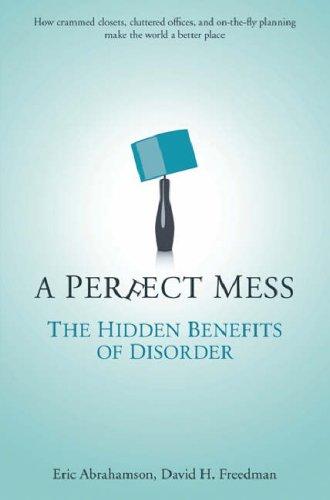
A Perfect Mess: The Hidden Benefits of Disorder
by Eric Abrahamson, David H. Freedman
This idea comes from a wonderful book called A Perfect Mess, which explains how not keeping a schedule has been key to Arnold Schwarzenegger’s success as a movie star, politician, and businessman over the last 20 years.
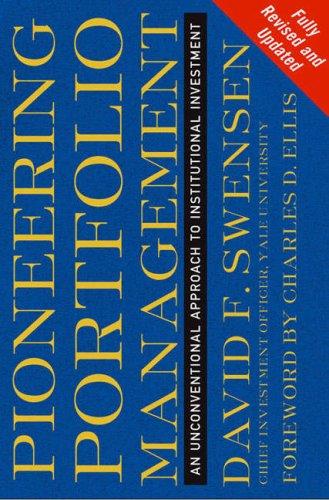
Pioneering Portfolio Management
To read about this new strategy—and it is a fascinating strategy—pick up a copy of David Swensen’s excellent book Pioneering Portfolio Management, which describes his approach in detail.
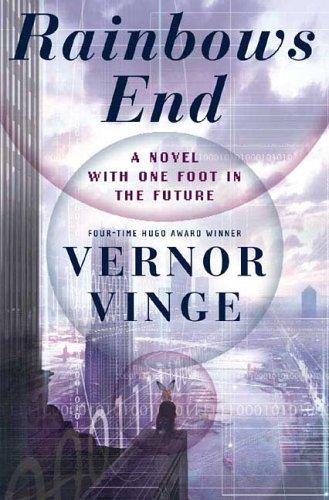
Rainbows End
by Vernor Vinge
Stop reading this blog right now. Go get it. Read it, and then come back. I’ll wait. It’s that good.
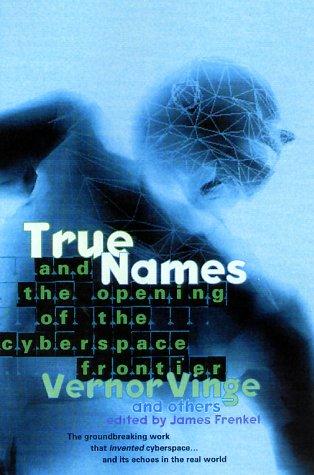
True Names
by Vernor Vinge
First, if you haven’t had the pleasure, be sure to read True Names, Vinge’s 1981 novella that forecast the modern Internet with shocking clarity.
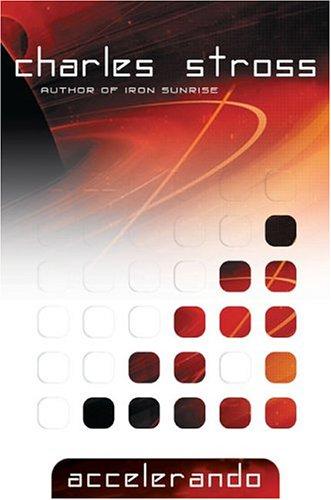
Accelerando
Accelerando is the best envisioning of the Singularity committed to paper so far.
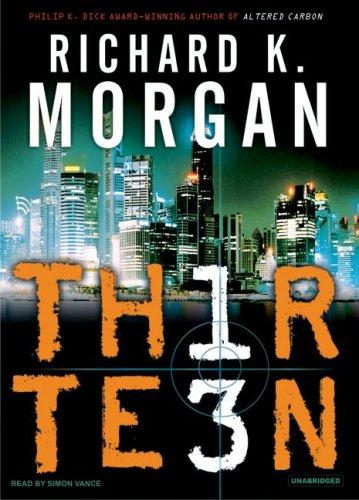
Thirteen
Thirteen is undoubtedly Morgan’s best-written novel so far—this is an author whose skills are growing rapidly, and this book shows it.
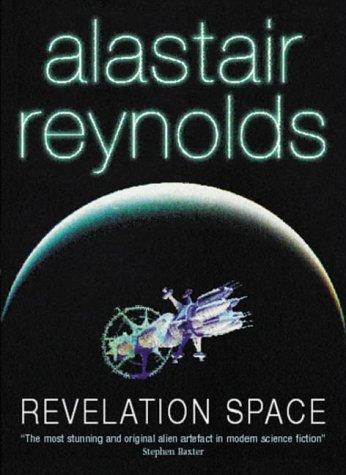
Revelation Space
Revelation Space, Redemption Ark, and Absolution Gap—together, Reynolds’ flagship trilogy—are three of the darkest, largest-scale, and most scientifically complex hard science fiction novels ever written. Highly recommended to anyone who thinks that sounds like a good idea (I did!).
Altered Carbon
Altered Carbon is definitely the place to start, Morgan’s first and perhaps most inventive novel, Robert Heinlein meets Raymond Chandler—and first of a trio.
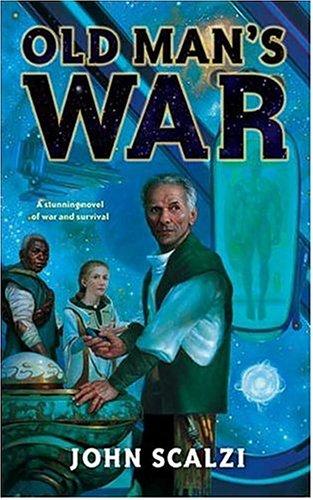
Old Man’s War
by John Scalzi
Start with Old Man’s War (don’t worry, they put the old dude in a young body, so you don’t need to find out what it’s like to fight aliens after hip replacement surgery).

The Four Steps to the Epiphany
by Steve Blank
Buy it, read it, keep it under your pillow and absorb it via osmosis.
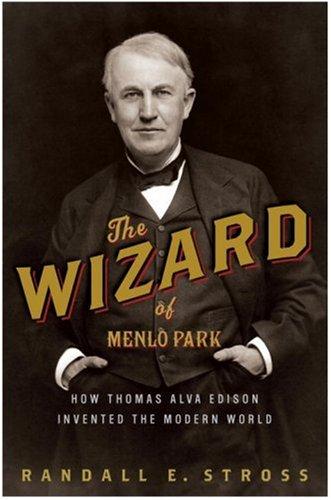
The Wizard of Menlo Park: How Thomas Alva Edison Invented the Modern World
However, I’ve recently been reading Randall Stross’s marvelous book about Thomas Edison, The Wizard of Menlo Park.
Chase, Chance, and Creativity: The Lucky Art of Novelty
It’s the best book I’ve read on the role of luck, chance, and serendipity in medical research—or, for that matter, any creative endeavor.
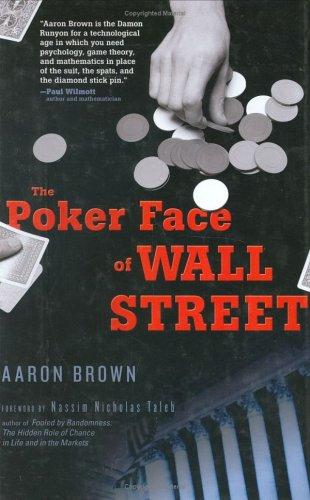
The Poker Face of Wall Street
by Aaron Brown
To quote Aaron Brown—a legendary Morgan Stanley derivatives trader and poker expert—from his extraordinary book The Poker Face of Wall Street, when talking about hiring traders at an investment bank: