Morgan Housel’s 2021 Reading List
The 20 books Morgan Housel recommended in 2021, with the reasons in their own words. See all the books Morgan Housel recommends.
Other years: 2017
20 books recommended in 2021

A Man on the Moon: The Voyages of the Apollo Astronauts
A Man On The Moon: Voyages of the Apollo Astronauts. Walking on the moon is probably the coolest thing humans have ever done. The hardest, boldest, riskiest, thing ever attempted by anyone – I don’t think that’s an exaggeration.
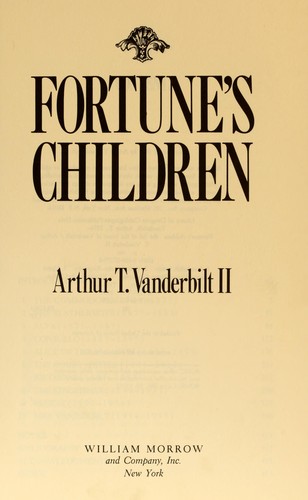
Fortune’s Children: The Fall of the House of Vanderbilt
Fortune’s Children: The Fall of the House of Vanderbilt. Cornelius Vanderbilt was the richest man in history, worth the equivalent of $250 billion. He left most of it to his heirs.
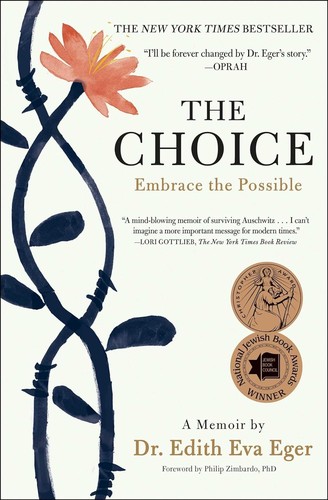
The Choice
The Choice. Maybe the best book I’ve read in years. The true story of a young Hungarian girl sent to Auschwitz where her parents are murdered upon arrival but who manages to survive a year of torture and starvation before being liberated.
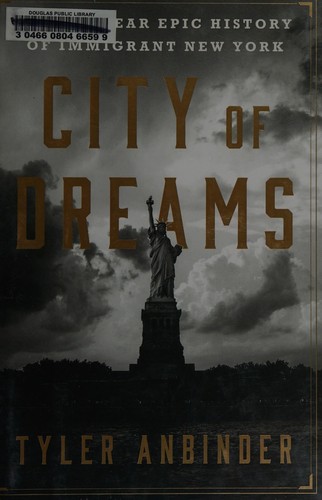
City of Dreams
City of Dreams. America is a nation of immigrants, and an incredible part of that story is how many of those immigrants came to one city – New York – during a short period of time: 1880 to 1920.
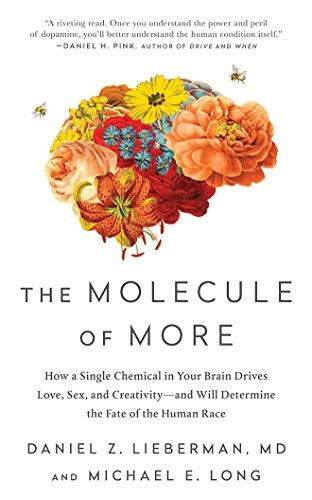
The Molecule of More
by Daniel Z. Lieberman, Michael E. Long
The Molecule of More. A book about dopamine, the most powerful chemical in your brain that we rarely think about has so much influence on the world. Dopamine doesn’t give you happiness in the moment; it convinces you that there’s happiness in the future that you should pursue, always pushing us for more, more, more.
The Hidden Life of Trees
The Hidden Life of Trees. A fascinating book about the complexity of something that seems basic. One example: Trees that grow up in their mothers’ shade grow slowly, because their moms block most of the sun. Slow growth leads to dense wood, which leads to a strong tree.
Empty Mansions
by Bill Dedman, Paul Clark Newell Jr.
Empty Mansions. The story of an heiress who inherits a fortune but lives a life of seclusion with almost no contact with the outside world while collecting mansions that go unvisited until she dies at age 104 after living in a hospital for years despite excellent health, setting off an epic battle for her money.
Bubble in the Sun
Bubble in the Sun. The telling of America’s first modern bubble: the Florida real estate boom of the 1920s. What’s great about this book is that so many of the characters, scenes, incentives, behaviors, and outcomes could be right out of today’s world. Same as it ever was.
The Patriarch
by David Nasaw
The Patriarch. An incredible biography of Joseph Kennedy, who lived one of the most interesting lives in American history. It begins: “Had Joseph P. Kennedy not been the patriarch of America’s first family, his story would be worth telling. That he was only adds to its drama and historical significance.”
Crashing Through
Crashing Through. A man is blinded as a baby, then regains full vision at age 46 after an experimental surgery. An amazing, counterintuitive, story about what it’s like to see the world for the first time as an adult.
The End Is Always Near
by Dan Carlin
The End is Always Near. Dan Carlin, one of the best historian storytellers, looks at periods in history when it seemed like the world was coming to an end – wars, famines, pandemics, and societal collapses.
American Moonshot
American Moonshot. The best book I’ve read on the 1960s space race, telling the story of not just the scientists and engineers who made landing on the moon possible, but the anxiety of what would happen if the Soviets did it first and the political panic behind the scenes.

Tribe: On Homecoming and Belonging
Tribe. A fascinating look at how and why people connect to tribes, and how it impacts our thinking and wellbeing.

Destiny of the Republic: A Tale of Madness, Medicine and the Murder of a President
Destiny of the Republic. The story of President James Garfield’s assassination, and how the doctors who tried to save him didn’t believe in germs, which is what probably killed him in the end.
The Science of Storytelling
by Will Storr
The Science of Storytelling. The best story always wins, and I loved his book on why that is and how to do it.

Breath: The New Science of a Lost Art
by James Nestor
Breath. Incredible book about something most of us spend little time thinking about: breathing. Odds are you’re doing it wrong, it’s impacting your day, and you can improve it dramatically without much effort.
The Body
by Bill Bryson
The Body. Probably Bill Bryson’s best work, and one of the most practical science books I’ve read. Effectively an anatomy textbook written by one of the great storytellers of our time.
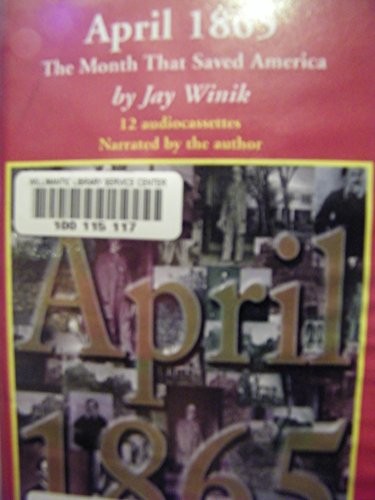
April 1865: The Month That Saved America
by Jay Winik
April, 1865: The Month That Saved America. I like the saying, “History doesn’t crawl; it leaps.” Few periods saw such a stark leap as when the Civil War ended and Abraham Lincoln was assassinated within the same week. Jay Winik is one of the few hardcore historians who’s also a great writer.

Boyd: The Fighter Pilot who Changed the Art of War
by Robert Coram
Boyd. John Boyd was the Elon Musk of the Air Force: erratic, brazen, vulgar, and convinced that rules don’t apply to him. But, like Musk, he was a genius, and revolutionized his field. So the military had to keep him happy, even if they couldn’t stand him. It’s such a good story about learning, bureaucracy, and innovation.
Lords of Creation
Lords of Creation. The best book I’ve read on the Gilded Age, and how Rockefeller, Morgan, Ford, Carnegie, and a few others dominated American business.