Best Financial Literacy Books: 28 Picks Recommended by CEOs
Robert Kiyosaki’s Rich Dad Poor Dad ranks first, built on the idea that financial literacy, knowing an asset from a liability, matters more than salary. George S. Clason’s The Richest Man in Babylon is second, teaching saving and compounding through parables first handed out by banks, and MJ DeMarco’s The Millionaire Fastlane is third, arguing that the slow plan of saving and waiting for markets is a gamble and that wealth comes from building a business.
The list is for anyone who never learned money basics at school or at home and wants to fill the gap: budgeting, debt, saving, investing and retirement. Core books include Dave Ramsey’s baby steps, Ramit Sethi’s six-week program, Eric Tyson’s guide for people in their 20s and 30s, Morgan Housel on money behavior, research on how millionaires really live, Ron Lieber on teaching children about money, and financial independence guides from J L Collins and Kristy Shen.
The related tier adds books mainly about other subjects that still build financial knowledge: an accounting primer, index investing guides from John Bogle, William Bernstein and the Bogleheads, Benjamin Graham’s The Intelligent Investor, Niall Ferguson’s history of money and Think and Grow Rich.
We ranked these 28 books by how many of the 1,088 founders, CEOs and leaders on The CEO Library recommend them: first the 19 books mainly about financial literacy, then 9 related books under Also worth reading.
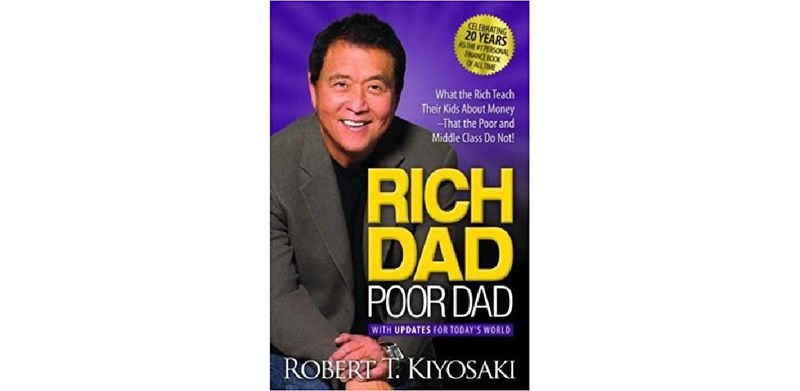
1. Rich Dad Poor Dad
by Robert Kiyosaki, Sharon Lechter
Recommended by 30 leaders, including Mohnish Pabrai, Marvin Liao and Yaro Starak
Robert Kiyosaki’s parables of two father figures put financial literacy at the center, explaining assets and liabilities and why a high salary alone does not create wealth. Benjamin Kwan says it clearly showed him what financial education is and why it matters.
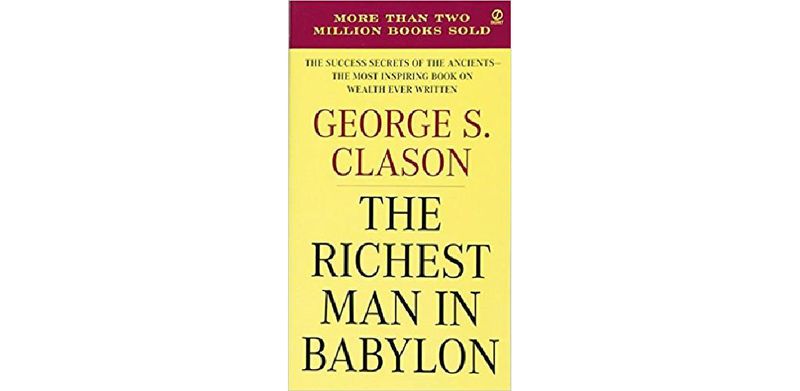
2. The Richest Man in Babylon
Recommended by 6 leaders, including Grant Cardone, Daymond John and David Heinemeier Hansson
George S. Clason’s Babylonian parables, first handed out as pamphlets by banks and insurers, teach basic money rules: save part of every wage, keep spending below income and put the surplus to work. Tiffany Aliche says it holds every principle of a sound financial life.
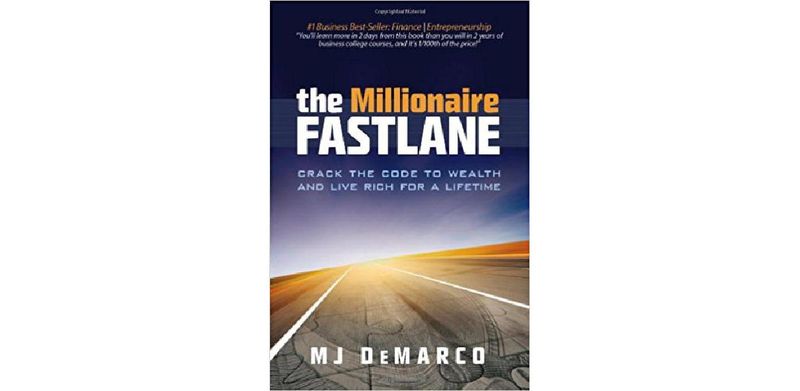
3. The Millionaire Fastlane: Crack the Code to Wealth and Live Rich for a Lifetime
by MJ DeMarco
Recommended by 5 leaders, including Ali Abdaal, Nick Loper and Andreas Zhou
MJ DeMarco questions the standard money script of school, job, steady saving and retiring at 65, explaining why 401(k) plans and decades of frugality rarely make anyone rich young. Nick Loper says it explains what it takes to shortcut the traditional path.
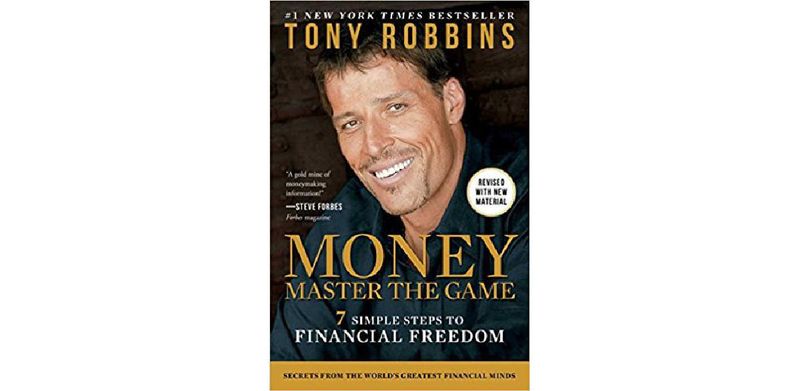
4. MONEY Master the Game: 7 Simple Steps to Financial Freedom
by Tony Robbins
Recommended by 4 leaders, including Naveen Jain, Yaro Starak and Michael Herrmann
Tony Robbins aims to make complex money decisions simple enough for any income level, condensing interviews with dozens of financial experts into seven steps and debunking common myths about investing. Yaro Starak calls it a great finance book.

5. Quit Like a Millionaire: No Gimmicks, Luck, or Trust Fund Required
Recommended by 6 leaders, including Grant Sabatier, J L Collins and Brad Barrett
Kristy Shen, who retired at 31, and Bryce Leung teach the arithmetic of financial independence: spend less, build a million-dollar portfolio, protect it from bear markets and draw on it with the 4 percent rule. J.D. Roth endorsed it as a practical, stepwise route to retiring early.

6. The Psychology of Money
Recommended by 2 leaders: Steven Bartlett and Andrew Huberman
Morgan Housel argues that money skills are mostly behavioral and hard to teach even to smart people, using short stories about ego, pride, marketing and odd incentives to show why financial decisions go wrong. Andrew Huberman says he read it and loved it.

7. The Millionaire Next Door
by Thomas J. Stanley, William D. Danko
Recommended by 2 leaders: Mohnish Pabrai and Ramit Sethi
Thomas Stanley and William Danko’s surveys of what wealthy Americans spend on cars, watches and clothes show that most built fortunes by saving steadily and living below their means, and they offer a rule of thumb for judging net worth. Mohnish Pabrai calls it a fast read.
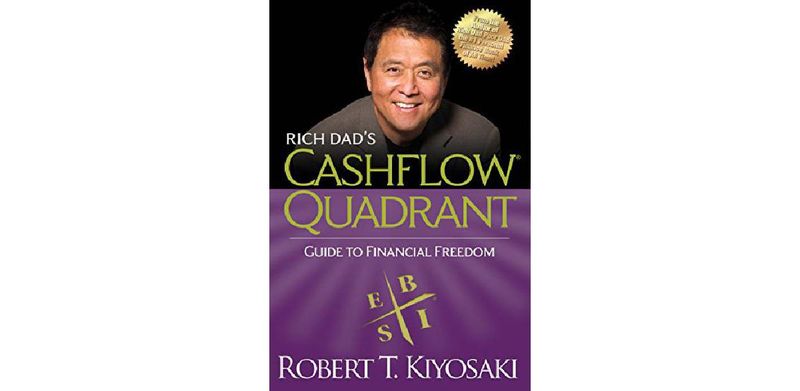
8. Rich Dad’s CASHFLOW Quadrant: Rich Dad’s Guide to Financial Freedom
Recommended by 2 leaders: Sa El and Malcolm Tan
Robert Kiyosaki blames a lack of money education in school for most people’s financial struggles, and maps the move from job security toward financial freedom. Malcolm Tan says Kiyosaki’s books changed his thinking while he was working as a company lawyer.

9. I Will Teach You to Be Rich: No Guilt. No Excuses. No B.S. Just a 6-Week Program That Works.
by Ramit Sethi
Recommended by 2 leaders: Cal Newport and Seth Godin
Ramit Sethi teaches the mechanics young earners rarely learn, from opening no-fee accounts and paying down student loans to scripts for negotiating fees and a simple long-term investing plan. Seth Godin says it shows how knowledge and some discipline make people rich.

10. The Art of Spending Money
Recommended by 1 leader: Andrew Huberman
Morgan Housel looks at the spending half of personal finance, showing how envy, status and fear distort what people buy and save, and arguing that self-awareness counts for more than spreadsheets. Andrew Huberman calls it excellent.
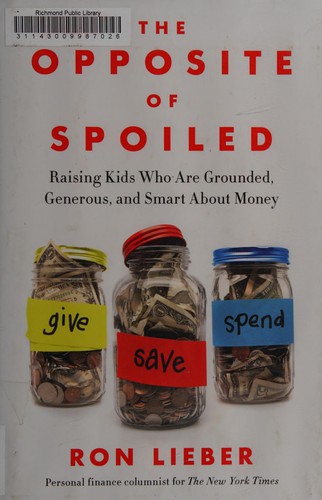
11. The Opposite of Spoiled: Raising Kids Who Are Grounded, Generous, and Smart About Money
by Ron Lieber
Recommended by 1 leader: Ramit Sethi
Ron Lieber argues that children are hyperaware of money and that parents should answer their questions openly, using allowance, chores, saving and giving to teach patience, modesty and generosity. Ramit Sethi recommends it.

12. Personal Finance in Your 20s and 30s For Dummies
by Eric Tyson
Recommended by 1 leader: Miracle Olatunji
Eric Tyson’s guide covers the money basics people in their 20s and 30s face, from student loans and avoiding new debt to budgeting, taxes, renting versus buying and protecting identity online. Miracle Olatunji says it answers the money questions young professionals have.
13. The Automatic Millionaire: A Powerful One-Step Plan to Live and Finish Rich
by David Bach
Recommended by 1 leader: Tiffany Aliche
David Bach teaches one habit, paying oneself first through automatic transfers into retirement and savings accounts, through the story of a couple on modest pay who retired at 55 with over $1 million. Tiffany Aliche has recommended it.
14. The Simple Path to Wealth: Your road map to financial independence and a rich, free life
by J L Collins
Recommended by 1 leader: Gunhee Park
J L Collins first wrote these money lessons as letters to a teenage daughter who wanted to understand money without dwelling on it, covering debt, retirement accounts and a plain asset allocation. Gunhee Park names it among books he has enjoyed.
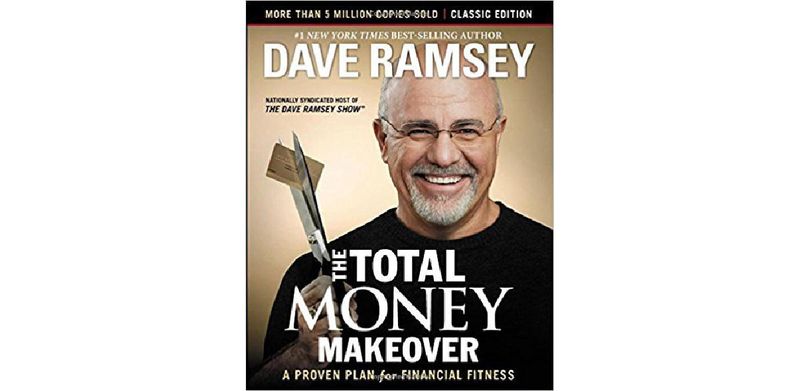
15. The Total Money Makeover: Classic Edition: A Proven Plan for Financial Fitness
by Dave Ramsey
Recommended by 1 leader: Vincent Pugliese
Dave Ramsey turns debt payoff into seven baby steps, from a starter emergency fund through the debt snowball to retirement saving and clearing the mortgage, with worksheets and a list of money myths. Vincent Pugliese counts it among three books that changed his life at once.
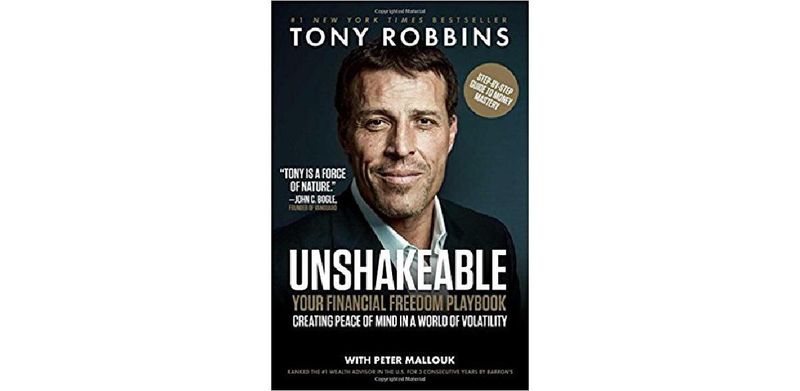
16. Unshakeable: Your Financial Freedom Playbook
by Tony Robbins
Recommended by 1 leader: Dean Roller
Tony Robbins and adviser Peter Mallouk explain market crashes and corrections as normal events, expose hidden fees at large Wall Street firms and show how to get more from a 401(k). Dean Roller hoped it would teach him the best path to compounding wealth.
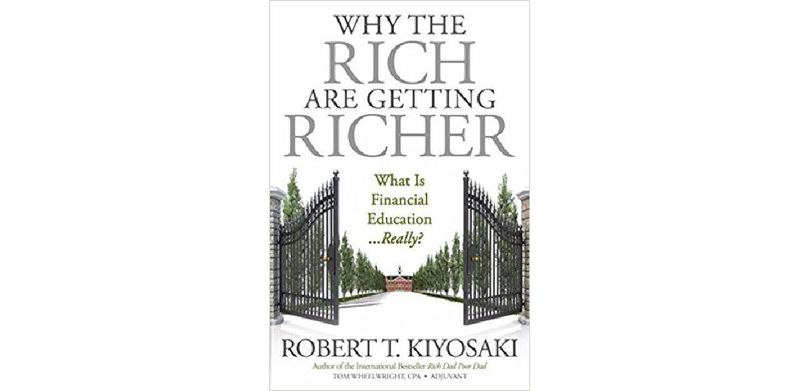
17. Why the Rich Are Getting Richer
Recommended by 1 leader: Jack H. M. Wong
Robert Kiyosaki blames schools for leaving even highly educated people poor with money, arguing that debt and taxes favor those who understand them and asking when people will ever learn how money works. Jack H. M. Wong says it explains how the tax system works for the rich.
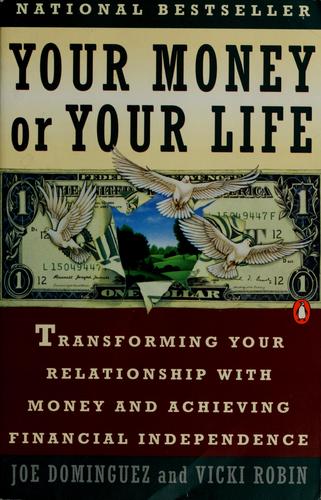
18. Your Money or Your Life
Recommended by 1 leader: Ali Abdaal
Vicki Robin and Joe Dominguez teach a nine-step program, refined over hundreds of workshops, for getting out of debt, saving and spending in line with real priorities. Ali Abdaal credits it with changing how he relates to money.

19. You’re Not Broke You’re Pre-Rich: How to streamline your finances, stay in control of your bank balance and have more £££
Recommended by 1 leader: Helena Morrissey
Emilie Bellet sets out to break the taboo around money and explain financial jargon in plain terms, covering savings, investing, pensions and why financial health ranks alongside mental and physical health. Helena Morrissey has endorsed it.
Also worth reading
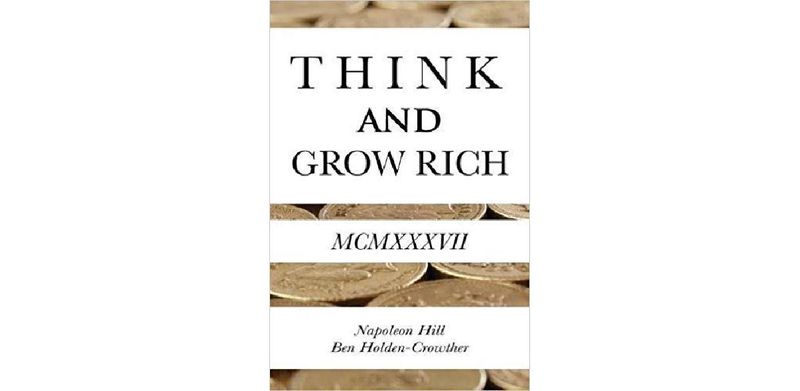
20. Think and Grow Rich
Recommended by 16 leaders, including Grant Cardone, Daymond John and David Henzel
Mainly a success manual, Napoleon Hill’s thirteen steps to riches start from desire and organized planning, which he presents as the roots of personal fortunes. Sa El says it teaches that financial success begins with changing how one thinks.
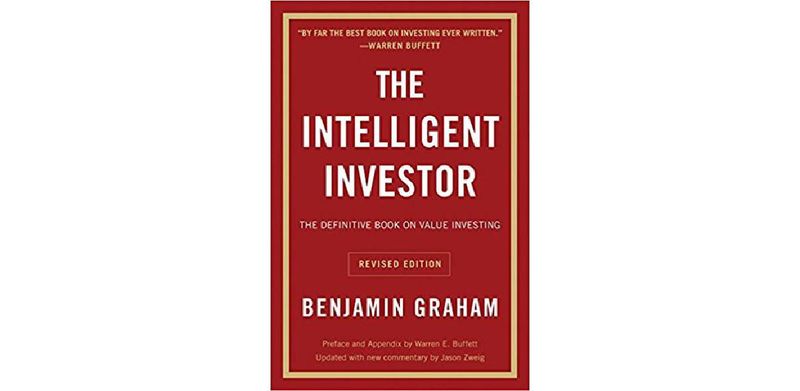
21. The Intelligent Investor
Recommended by 6 leaders, including Warren Buffett, Bill Ackman and Grant Cardone
Mainly a value investing guide, Benjamin Graham’s book teaches investors to tell price from value and to treat Mr. Market’s daily offers as opportunities rather than instructions. Warren Buffett says it supplies the sound framework, leaving readers to provide the emotional discipline.
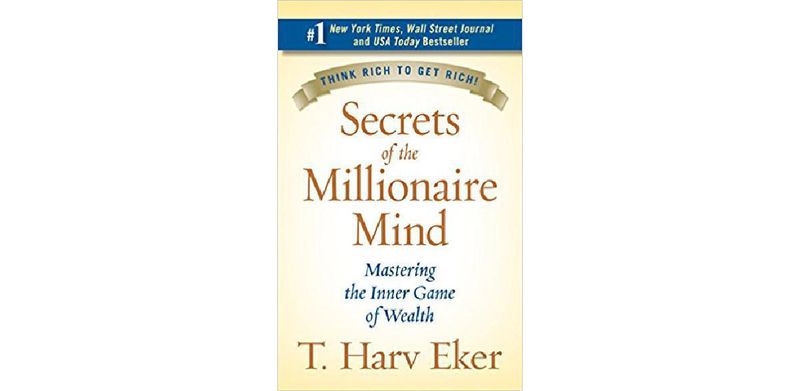
22. Secrets of the Millionaire Mind: Mastering the Inner Game of Wealth
by T. Harv Eker
Recommended by 2 leaders: Lewis Smith and Jochen Siepmann
T. Harv Eker traces adult money habits to a blueprint absorbed in childhood and shows how to spot and revise it, with seventeen Wealth Files on how the rich think differently. Jochen Siepmann names it with Rich Dad Poor Dad as one of his most influential reads.
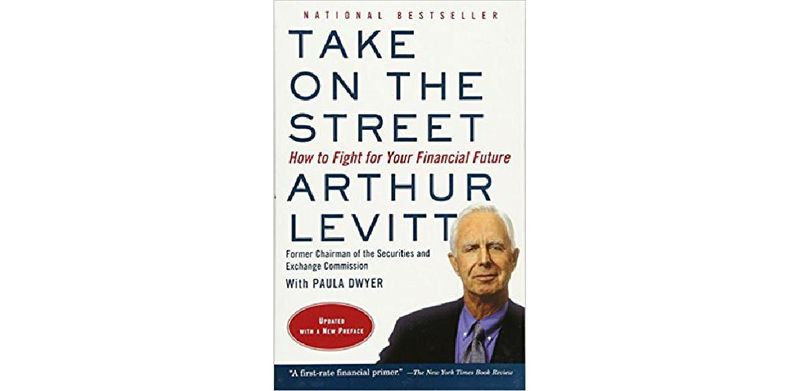
23. Take on the Street: How to Fight for Your Financial Future
Recommended by 1 leader: Warren Buffett
Mainly a warning about Wall Street, Arthur Levitt’s guide helps ordinary savers question brokers, read financial statements skeptically and judge whose interests fund managers serve. Warren Buffett has recommended it.
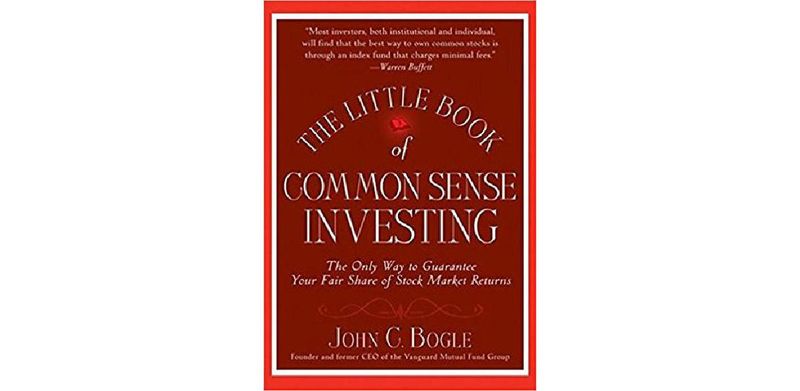
24. The Little Book of Common Sense Investing: The Only Way to Guarantee Your Fair Share of Stock Market Returns
Recommended by 1 leader: Warren Buffett
Mainly an investing book, John Bogle’s plain case for index funds teaches how fees, taxes and inflation eat into returns and why trying to beat the market usually loses. Warren Buffett has recommended it.
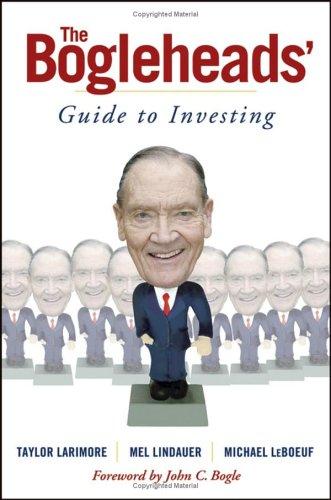
25. The Bogleheads’ Guide to Investing
by Taylor Larimore, Mel Lindauer, Michael LeBoeuf
Recommended by 1 leader: Ramit Sethi
Mainly an investing handbook drawn from online forum discussions of John Bogle’s ideas, the guide teaches diversification, regular investing and low costs, with chapters on retirement accounts and taxes. Ramit Sethi says its plain language spares readers from looking up jargon.
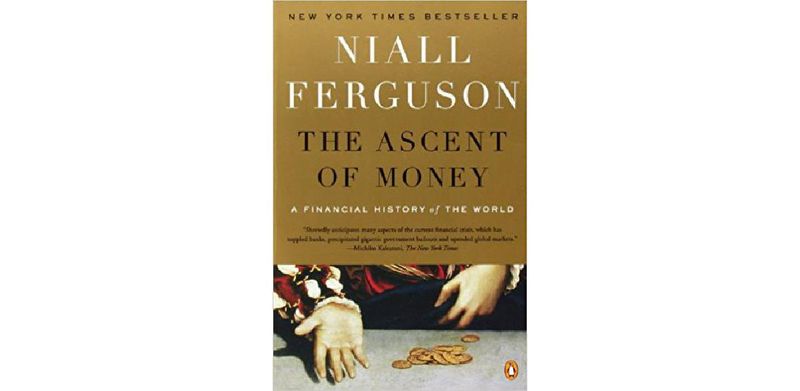
26. The Ascent of Money: A Financial History of the World
Recommended by 1 leader: Muhtar Kent
Mainly a financial history, Niall Ferguson’s book traces where money, credit, bonds, insurance and housing as an investment came from, ending with the 2008 crisis. Muhtar Kent counts it among the best books of economic observation.
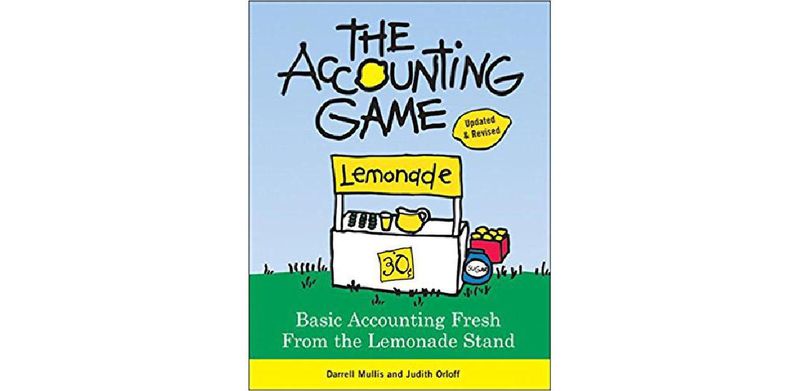
27. The Accounting Game: Basic Accounting Fresh from the Lemonade Stand
by Darrell Mullis, Judith Orloff
Recommended by 1 leader: Andrew Elliott
Mainly an accounting primer, Darrell Mullis and Judith Orloff’s lemonade stand story teaches the vocabulary of financial statements, from assets and liabilities to inventory and earnings, in plain steps. Andrew Elliott suggests it to anyone with no grounding in accounting.
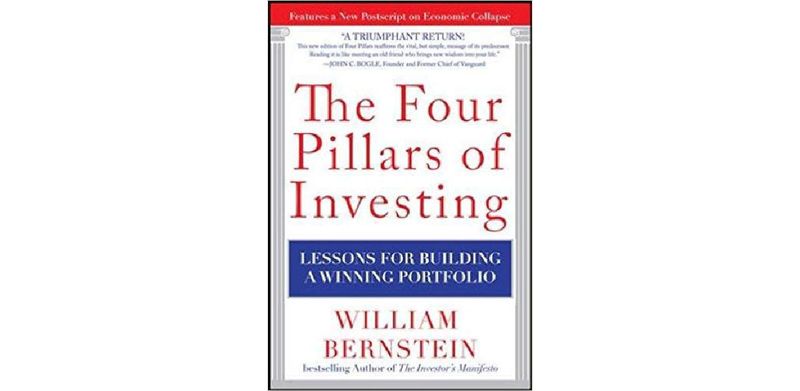
28. The Four Pillars of Investing: Lessons for Building a Winning Portfolio
Recommended by 1 leader: Bill Earner
Mainly a portfolio guide, William Bernstein’s book teaches the four subjects he says every investor must master: risk and reward, market history, investor psychology and the conflicts of the investment industry. Bill Earner calls it useful for thinking about saving and investing.