Best Personal Development Books: 41 CEO Picks
Dale Carnegie’s How to Win Friends and Influence People leads the list with its rules for getting on with others, followed by Stephen R. Covey’s The 7 Habits of Highly Effective People, a character-first framework for personal change, and Carol S. Dweck’s Mindset, which shows how believing that ability can grow changes what people achieve.
The list is for readers who want methods rather than pep talks: ways to build habits, guard attention, learn faster, take feedback and decide what matters. The core books run from Charles Duhigg and James Clear on habits to Cal Newport and Nir Eyal on focus, Robert Greene and Anders Ericsson on mastery, and Brene Brown and Ryan Holiday on the inner work of vulnerability and ego.
The related tier holds books mainly about something else that still feed personal growth, such as Tim Ferriss on lifestyle design, Ray Dalio on principles for work and life, David Allen on workflow and Susan Cain on introversion.
We ranked these 41 books by how many of the 1,088 founders, CEOs and leaders on The CEO Library recommend them: first the 34 books mainly about personal development, then 7 related books under Also worth reading.
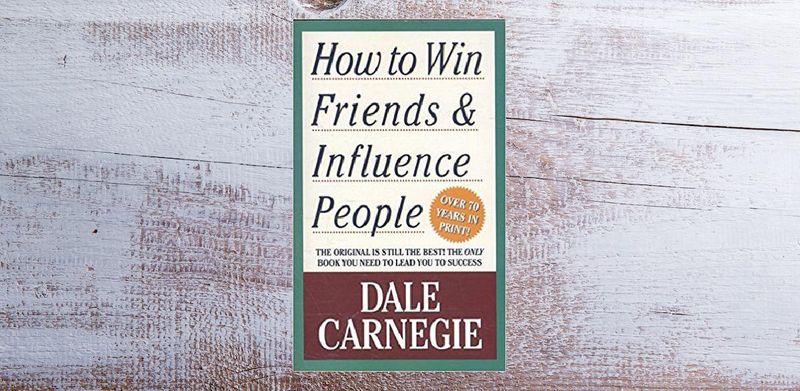
1. How to Win Friends and Influence People
Recommended by 44 leaders, including James Clear, Ramit Sethi and Ronn Torossian
Dale Carnegie’s 1936 guide grew out of his human relations courses and sets plain rules for making a good impression, winning people over to a view and correcting them without resentment. Derek Sivers thinks it should have been titled How to Be Considerate.
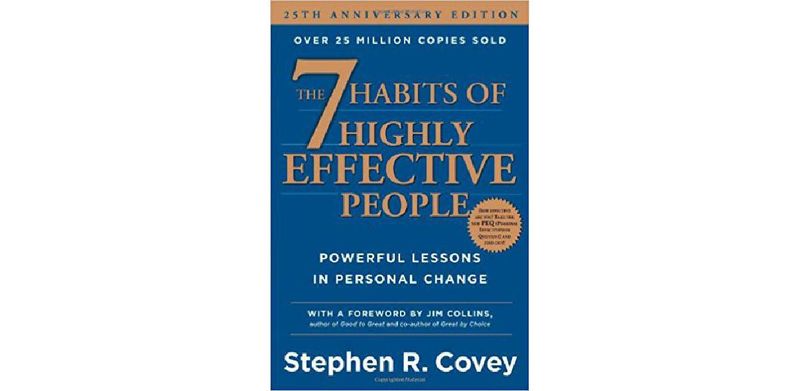
2. The 7 Habits of Highly Effective People
Recommended by 25 leaders, including Mark Manson, Ola Olusoga and Andra Zaharia
Stephen R. Covey argues for building character over personality and organizes personal change around seven habits, from proactivity and a personal mission statement to sorting the urgent from the important. Miracle Olatunji used it as a base of principles for goal setting and personal growth.
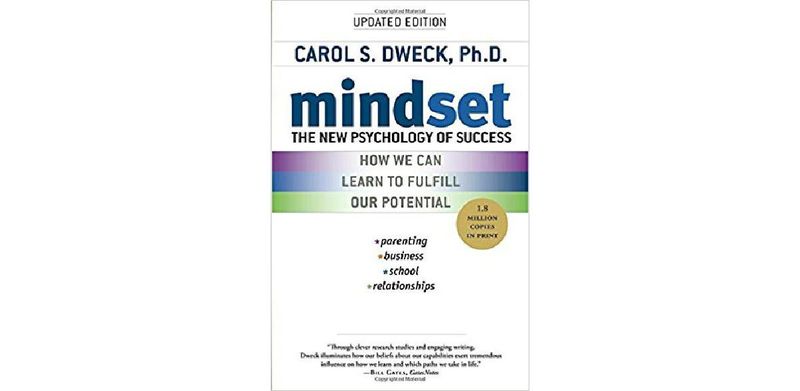
3. Mindset: The New Psychology of Success
Recommended by 19 leaders, including Bill Gates, Peter Attia and Tony Robbins
Carol S. Dweck contrasts a fixed mindset, which treats ability as set, with a growth mindset, which treats it as something built over time, and shows how each plays out at school, work and home. Bill Gates liked its practical focus on moving students toward growth.
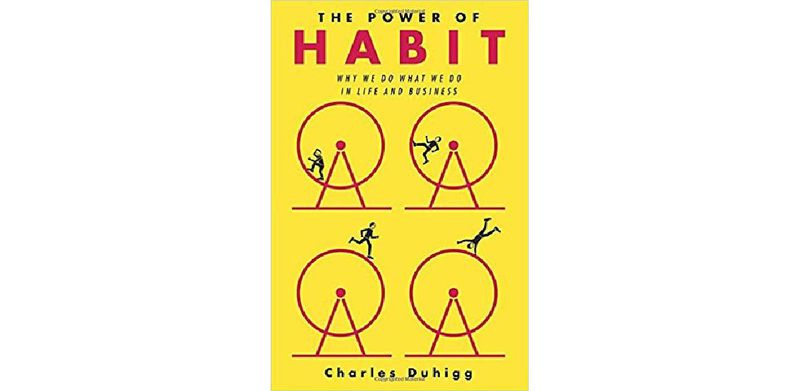
4. The Power of Habit: Why We Do What We Do in Life and Business
Recommended by 17 leaders, including Ray Dalio, Naval Ravikant and Ramit Sethi
Charles Duhigg breaks habits into a loop of cue, routine and reward and shows how to change one by keeping the cue and reward while swapping the routine, with cases from Febreze to Alcoa. Joel Gascoigne took from it the idea of keystone habits.
5. Think and Grow Rich
Recommended by 16 leaders, including Grant Cardone, Daymond John and David Henzel
Napoleon Hill sets out thirteen steps to riches, from desire, faith and autosuggestion to persistence and the Master Mind group, presented as habits of thinking that anyone can adopt. Daymond John says it introduced him to goal setting when he was 16.
6. Deep Work: Rules for Focused Success in a Distracted World
by Cal Newport
Recommended by 17 leaders, including Andrew Huberman, Ryan Holiday and Adam Grant
Cal Newport argues that the skill of focusing on demanding work without interruption is growing rare and valuable, and sets four rules for training it, including quitting social media and getting comfortable with boredom. Adam Grant calls its steps immediately actionable.
7. Atomic Habits: An Easy & Proven Way to Build Good Habits & Break Bad Ones
by James Clear
Recommended by 10 leaders, including Andrew Huberman, Ryan Holiday and Mark Manson
James Clear argues that small habits repeated daily compound into large change and breaks each habit into cue, craving, response and reward, adding habit stacking, environment design and identity change. Ali Abdaal says it taught him why systems matter more than goals.
8. Essentialism: The Disciplined Pursuit of Less
by Greg McKeown
Recommended by 9 leaders, including Casey Neistat, Vincent Pugliese and Tudor Mihailescu
Greg McKeown’s discipline is doing fewer things better: identify what is truly essential, cut the rest and spend the freed time and energy where it counts most. John Shea says it showed him he had taken on too many projects at once.
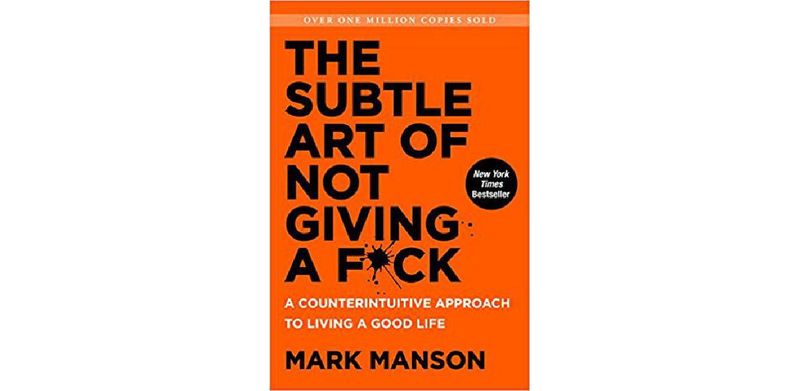
9. The Subtle Art of Not Giving a F*ck: A Counterintuitive Approach to Living a Good Life
by Mark Manson
Recommended by 9 leaders, including Ryan Holiday, Fabrice Grinda and Chelsea Frank
Mark Manson rejects relentless positivity and argues that since no one can care about everything, a good life comes from choosing a few values worth caring about, such as honesty. Derek Sivers likes that it reverses the usual self-help advice.

10. The Four Agreements: A Practical Guide to Personal Freedom
Recommended by 8 leaders, including Jack Dorsey, Charlamagne Tha God and Mark Manson
Don Miguel Ruiz offers a personal code drawn from Toltec teaching: be impeccable with words, take nothing personally, make no assumptions and always do one’s best. Mark Manson calls it maybe the densest wisdom on the market, a quick read that takes a lifetime to practice.
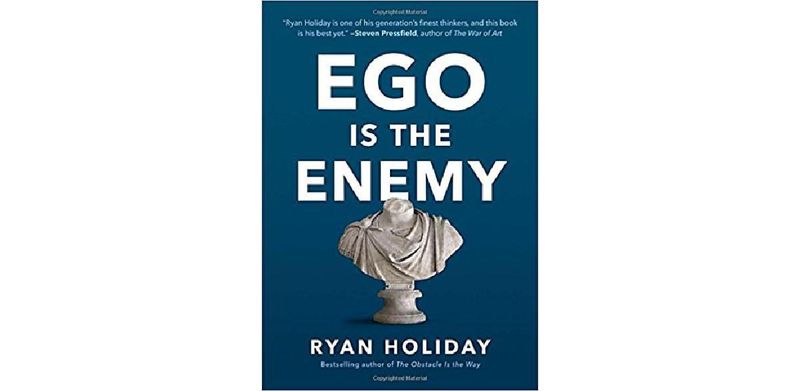
11. Ego Is the Enemy
by Ryan Holiday
Recommended by 12 leaders, including Adam Grant, Brian Koppelman and George Raveling
Ryan Holiday treats ego, an unhealthy sense of one’s own importance, as the inner obstacle that stalls learning, hides faults after success and deepens failure, and prescribes humility and self-awareness. Derek Sivers reread it right away with a highlighter in hand.
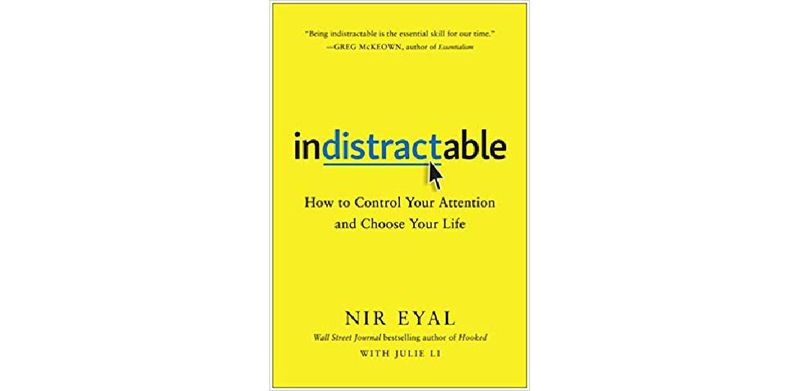
12. Indistractable: How to Control Your Attention and Choose Your Life
by Nir Eyal
Recommended by 15 leaders, including Ryan Holiday, Arianna Huffington and Mark Manson
Nir Eyal argues that swearing off devices rarely works and offers a four-step model for following through on intentions, treating time management as pain management. Cal Newport calls it a master class on the root cause of distraction.
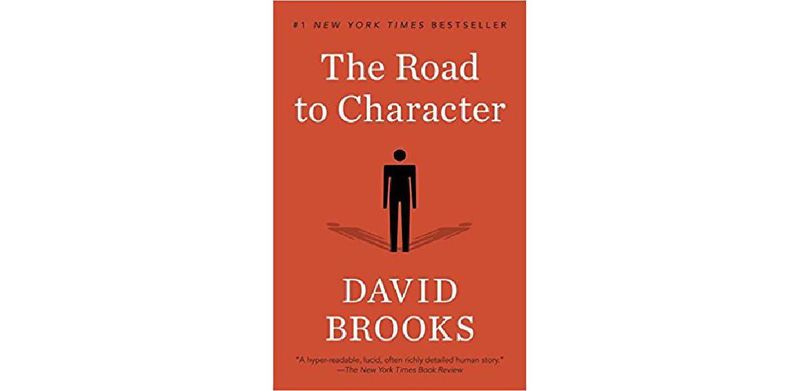
13. The Road to Character
by David Brooks
Recommended by 7 leaders, including Bill Gates, Peter Attia and Andrew Huberman
David Brooks contrasts resume virtues with eulogy virtues such as kindness and courage, then profiles figures from Eisenhower to Augustine who grew in character by wrestling with their flaws. Indra Nooyi says it led to talks with her daughters about why inner character matters as much as a career.
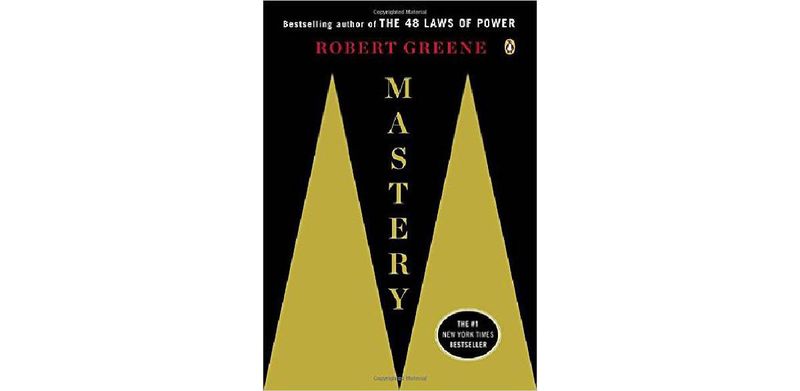
14. Mastery
Recommended by 6 leaders, including Andrew Huberman, Ryan Holiday and James Altucher
Robert Greene studies masters from Darwin and Mozart to living figures he interviewed and argues that they share a path beginning with a demanding apprenticeship. Andrew Huberman ranks it among the first books he suggests and treats it as a guide to pursuing a purpose.

15. Limitless: How to Ignore Everybody, Carve your Own Path, and Live Your Best Life
Recommended by 6 leaders, including Robin Roberts, Carol Fishman Cohen and Darrah Brustein
Laura Gassner Otting holds that people often pursue a version of success set by others and shows how to drop those rules, align energy with action and do meaningful work on self-defined terms. Carol Fishman Cohen says it urges readers to set their own measure of success.
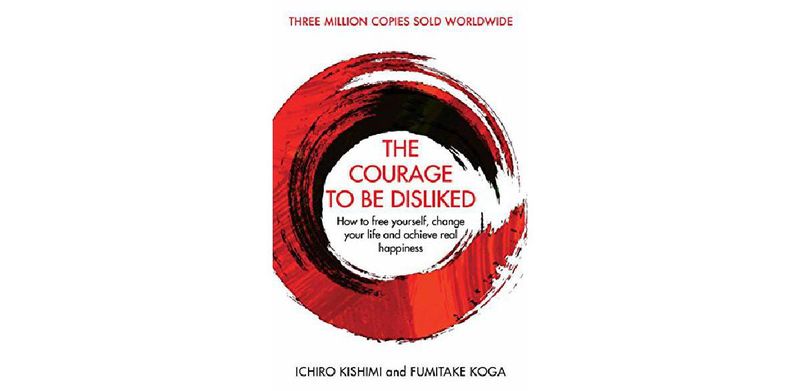
16. The Courage To Be Disliked: How to free yourself, change your life and achieve real happiness
by Ichiro Kishimi, Fumitake Koga
Recommended by 5 leaders, including Jay Shetty, Andrew Huberman and Marc Andreessen
Ichiro Kishimi and Fumitake Koga use Adler’s psychology to argue that neither the past nor other people’s expectations fix a person’s future, aiming to build the courage to change. Marc Andreessen sums it up as Adler meets the Stoics in a Socratic dialogue.
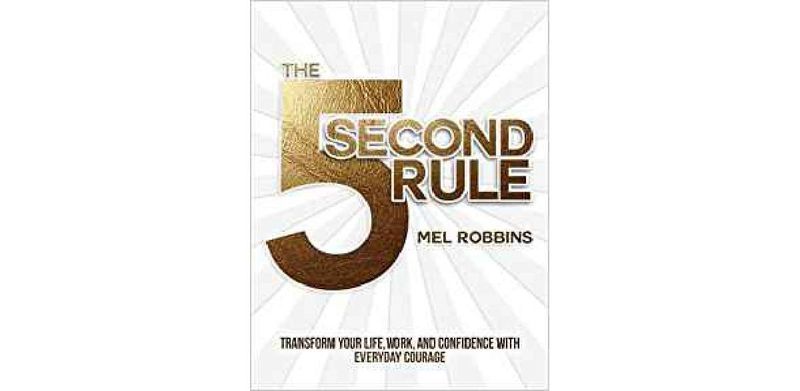
17. The 5 Second Rule: Transform Your Life, Work, and Confidence with Everyday Courage
by Mel Robbins
Recommended by 5 leaders, including Bill Liao, Chelsea Frank and Miracle Olatunji
Mel Robbins offers a five-second countdown, invented at a low point in her life, as a tool for pushing past self-doubt and procrastination into action, and applies it to confidence, fear and speaking up. Chelsea Frank found it lighthearted, useful and fun to hear on audio.
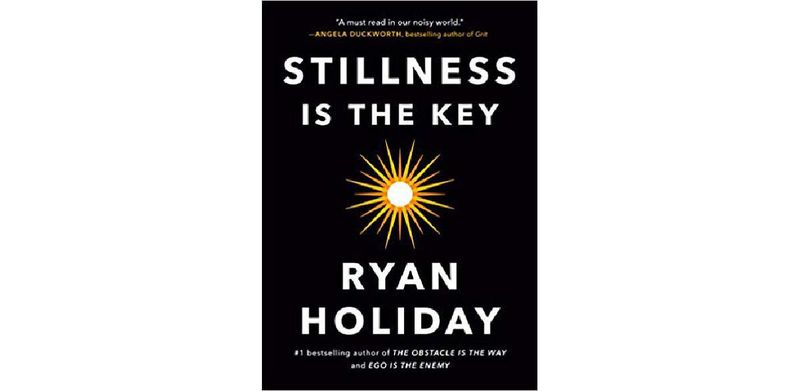
18. Stillness Is the Key
by Ryan Holiday
Recommended by 8 leaders, including Peter Attia, Arianna Huffington and Mark Manson
Ryan Holiday draws on Stoic and Buddhist thinkers to present stillness, staying steady amid noise, as the ground for discipline, focus and mastery of oneself, with portraits from Churchill at his easel to a Zen-trained baseball star. Peter Attia read it and then read it again.
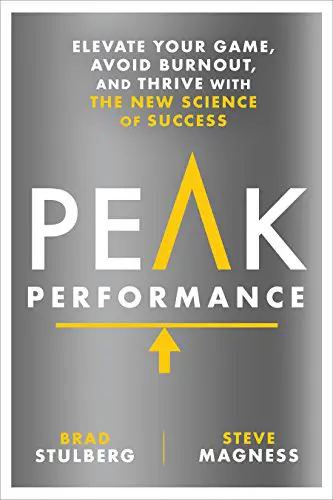
19. Peak Performance: Elevate Your Game, Avoid Burnout, and Thrive with the New Science of Success
by Brad Stulberg, Steve Magness
Recommended by 9 leaders, including Ryan Holiday, Arianna Huffington and Adam Grant
Brad Stulberg and Steve Magness draw on athletes, thinkers and artists to argue that the same few principles drive success anywhere, such as cycling hard work with rest and serving a purpose larger than oneself. Ryan Holiday likes how it joins physical and mental performance.
20. Digital Minimalism: Choosing a Focused Life in a Noisy World
by Cal Newport
Recommended by 5 leaders, including Charlamagne Tha God, Ryan Holiday and Seth Godin
Cal Newport proposes deciding deliberately which digital tools to use, for what and under what conditions, and cutting online time to a few chosen activities rather than relying on small fixes. Greg McKeown started applying the ideas to his own life immediately.
21. The Art of Learning: An Inner Journey to Optimal Performance
Recommended by 4 leaders, including Bryan Callen, Joan Boixados and Chris Oliver
Chess champion and Tai Chi world titleholder Josh Waitzkin argues his real skill is learning itself and sets out a method for growth, from building intuition to turning losses into progress. Chris Oliver says being good at learning is crucial in programming and startups.
22. The Magic of Thinking Big
Recommended by 4 leaders, including Ali Abdaal, Theresa Evanoff and Haris Siddique
David J. Schwartz holds that success follows the size of one’s belief and offers learned habits of thought for beating fear of failure, dropping excuses and setting goals. John Shea, who got it from an early mentor, says it pushes him to dream big.
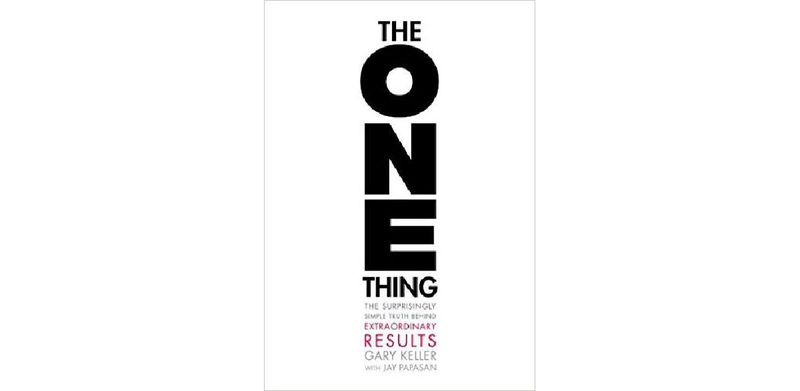
23. The ONE Thing: The Surprisingly Simple Truth Behind Extraordinary Results
Recommended by 4 leaders, including Codie Sanchez, Erik Rostad and Tudor Teodorescu
Gary Keller and Jay Papasan reject multitasking and work-life balance as lies and build their method on one question, which single task makes everything else easier or unnecessary, protected by daily time blocks. Gennady Batrakov says it opened his eyes to how extraordinary results are reached.
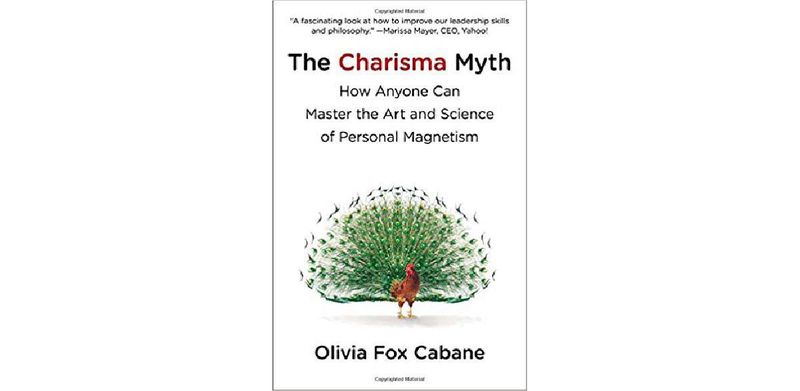
24. The Charisma Myth: How Anyone Can Master the Art and Science of Personal Magnetism
Recommended by 4 leaders, including Marissa Mayer, Dr. Monali Y. Desai and Nicky Cullen
Olivia Fox Cabane argues that charisma is learned behavior rather than an inborn trait, splitting it into presence, power and warmth and treating each as a set of practices. Dr. Monali Y. Desai rereads it yearly for its small takeaways on communicating better.
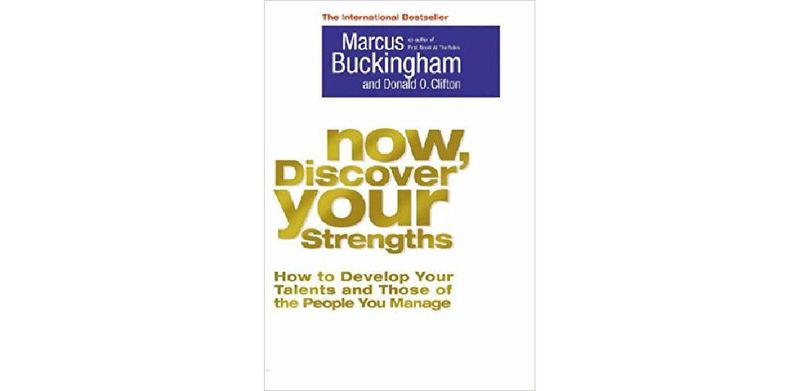
25. Now, Discover Your Strengths: How To Develop Your Talents And Those Of The People You Manage
by Marcus Buckingham, Donald O. Clifton
Recommended by 3 leaders: Sheryl Sandberg, Michael Woodward and Michael Voss
Marcus Buckingham and Donald O. Clifton argue that people should build on their talents rather than repair weaknesses, using Gallup’s StrengthsFinder assessment to name five signature themes. Michael Voss credits it with giving him self-awareness.
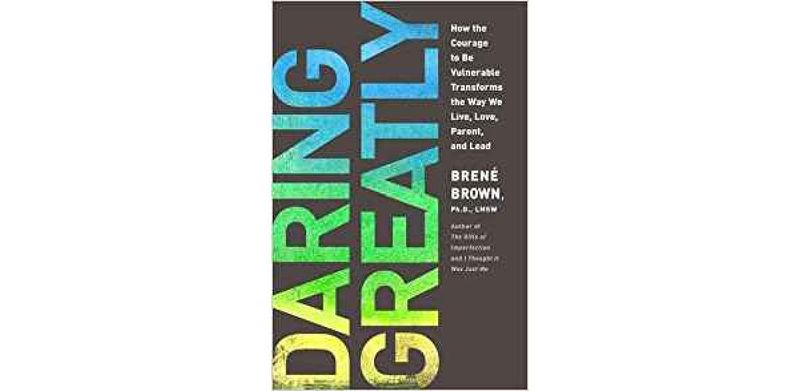
26. Daring Greatly: How the Courage to Be Vulnerable Transforms the Way We Live, Love, Parent, and Lead
by Brene Brown
Recommended by 3 leaders: Mark Manson, Chelsea Frank and AnneMarie Schindler
Brene Brown draws on twelve years of research to argue that vulnerability is the surest path to courage and connection, and shows how to build resilience to shame. Mark Manson calls it her best work, showing how her ideas look in real life.
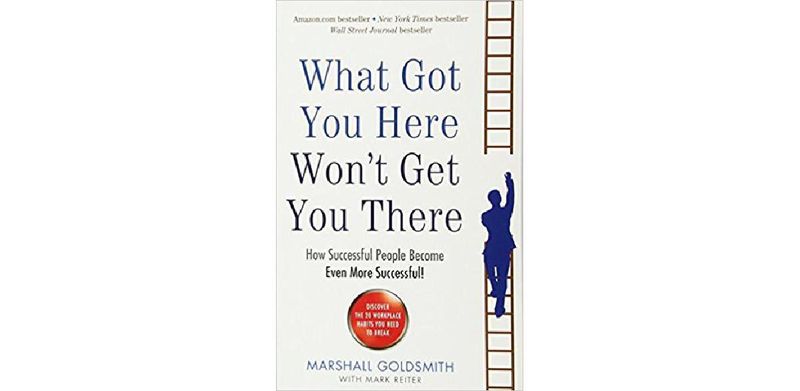
27. What Got You Here Won’t Get You There: How successful people become even more successful
Recommended by 3 leaders: James Clear, Cody McLain and Mark Moses
Executive coach Marshall Goldsmith argues that one small behavioral flaw can stall an already successful person, names twenty common workplace habits and offers a system for changing them. James Clear suggests it for those who have done well yet still have flaws to fix.
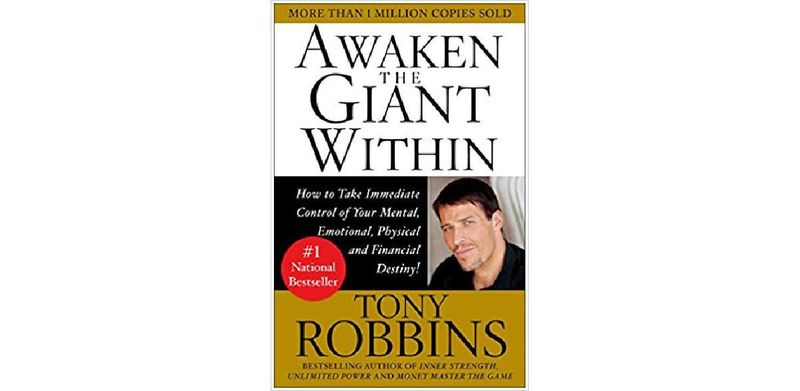
28. Awaken the Giant Within: How to Take Immediate Control of Your Mental, Emotional, Physical and Financial Destiny!
by Tony Robbins
Recommended by 2 leaders: Mark Struczewski and Gennady Batrakov
Tony Robbins lays out a program for taking control of one’s life, with exercises on values, emotions, decisions and goals that extend to health, relationships and money. Gennady Batrakov has reread it several times and keeps spare copies to give to friends.
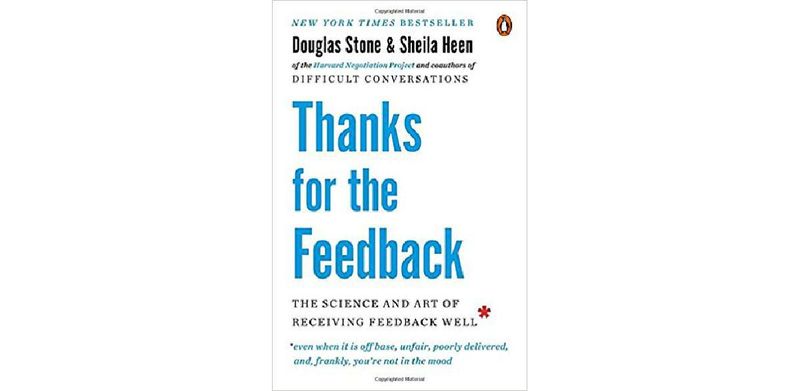
29. Thanks for the Feedback: The Science and Art of Receiving Feedback Well
Recommended by 3 leaders: Andra Zaharia, Chris Benko and Alan Echtenkamp
Douglas Stone and Sheila Heen focus on the receiver of feedback, explaining why it stings, since it pits the wish to grow against the wish to be accepted, and how to use it well. Alan Echtenkamp says anyone striving to improve should read it.

30. Mindshift: Break Through Obstacles to Learning and Discover Your Hidden Potential
Recommended by 3 leaders: Adam Grant, Seth Godin and Daniel Pink
Barbara Oakley uses neuroscience to show adults can develop talents they never knew they had, turning traits such as a poor memory into strengths and broadening a passion rather than following one. Daniel Pink recommends it to anyone seeking a reboot or reinvention.
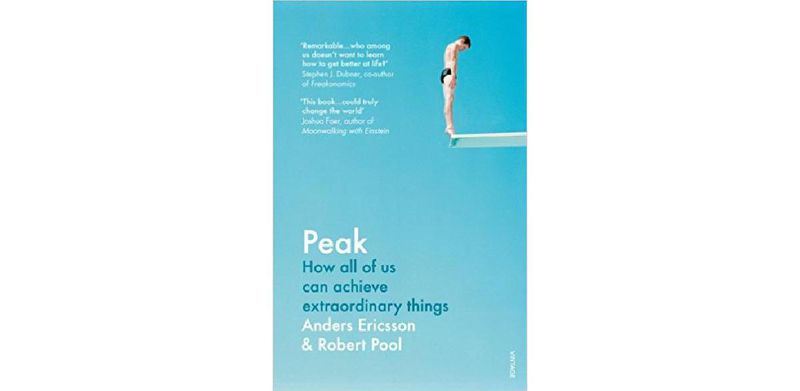
31. Peak: Secrets from the New Science of Expertise
by Anders Ericsson, Robert Pool
Recommended by 2 leaders: Seth Godin and Sergey Sapelnyk
Anders Ericsson and Robert Pool distill three decades of research on chess champions, violinists and athletes into deliberate practice, built on mental representations, and challenge the popular 10,000-hour rule. Sergey Sapelnyk took from it that almost anyone can get much better at almost anything.

32. Emotional Intelligence 2.0
by Travis Bradberry, Jean Greaves
Recommended by 2 leaders: Stephen R. Covey and Patrick Lencioni
Travis Bradberry and Jean Greaves treat emotional intelligence as trainable and give step by step exercises for four skills, from knowing and managing oneself to reading others and handling relationships, plus an online appraisal. Stephen R. Covey praises its practical insights on developing EQ.

33. The 7 Habits Of Highly Effective Teens
by Sean Covey
Recommended by 1 leader: Miracle Olatunji
Sean Covey adapts his father’s seven habits for teenagers, applying proactivity and prioritizing to friendships, peer pressure, self-image, parents and goals, with cartoons and real teens’ stories. Miracle Olatunji drew principles for goal setting from it.
34. The Code of the Extraordinary Mind: 10 Unconventional Laws to Redefine Your Life and Succeed On Your Own Terms
Recommended by 1 leader: Michael Herrmann
Vishen Lakhiani says people mostly follow handed-down rules he calls Brules and offers ten laws for rewriting beliefs and habits, from consciousness engineering to finding a personal quest. Michael Herrmann calls it insightful and approachable, framed in terms programmers enjoy.
Also worth reading
35. The 4-Hour Workweek: Escape 9-5, Live Anywhere, and Join the New Rich
by Tim Ferriss
Recommended by 41 leaders, including Tim Draper, Ramit Sethi and James Altucher
Mainly a guide to lifestyle design and running a business from anywhere, Tim Ferriss’s book offers personal methods too, from cutting workload with the 80/20 idea to limiting email, outsourcing and mini-retirements. Ramit Sethi credits it with changing his life.
36. Principles: Life and Work
by Ray Dalio
Recommended by 21 leaders, including Bill Gates, Michael Bloomberg and Tony Robbins
Ray Dalio’s rules for running Bridgewater are mainly about management and decisions, but they rest on radical truth and transparency applied to one’s own life. Jack Dorsey says he is making weekly progress on those two ideas, the hardest and most freeing to practice.
37. Quiet: The Power of Introverts in a World That Can’t Stop Talking
by Susan Cain
Recommended by 7 leaders, including Simon Sinek, James Altucher and Bogdana Butnar
Susan Cain’s study is mainly about how Western culture undervalues introverts, drawing on psychology and neuroscience, and closes with advice for introverts at work, school and home. Joel Gascoigne says it made him confident about traits he had seen as weaknesses.
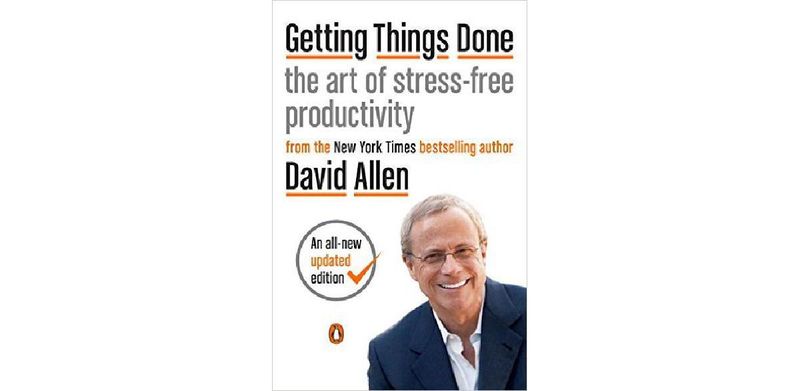
38. Getting Things Done: The Art of Stress-Free Productivity
by David Allen
Recommended by 8 leaders, including Tony Hsieh, Ali Abdaal and Lewis Smith
David Allen’s system is mainly about workflow, moving every task and commitment out of the head into a trusted external record through five stages from capture to engage. Lewis Smith says it took him from constant stress about work to calm.
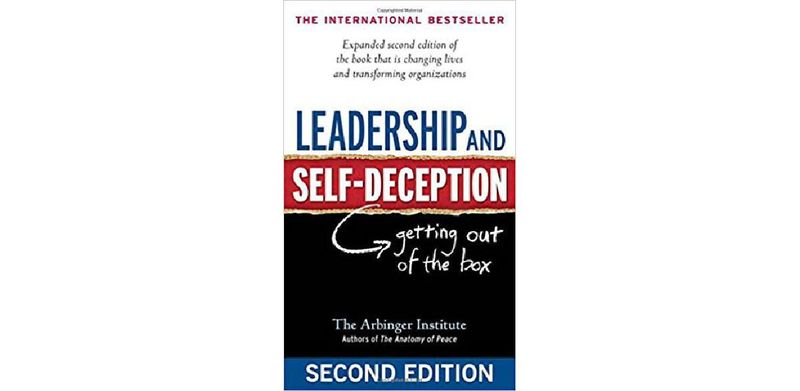
39. Leadership and Self-Deception: Getting Out of the Box
Recommended by 10 leaders, including Verne Harnish, Bruce L. Christensen and Holger Arians
The Arbinger Institute uses a story about a man struggling at work and at home to show how self-deception traps people in a box, a book mainly about organizations that turns on personal accountability. Kalyan Banerjee says it pushed him toward introspection.
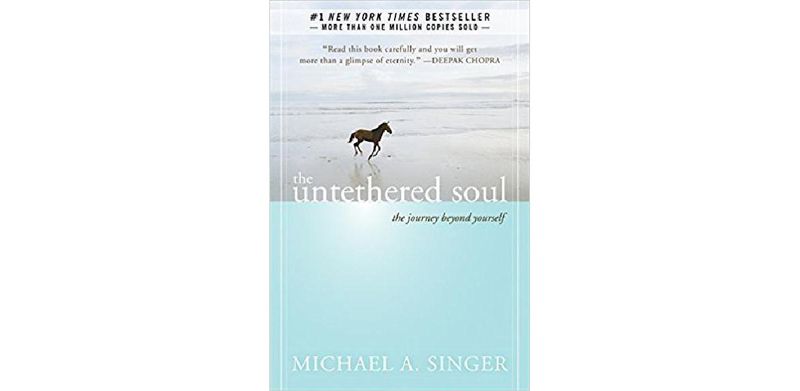
40. The Untethered Soul: The Journey Beyond Yourself
Recommended by 6 leaders, including Jay Shetty, Ray Kurzweil and James Altucher
Michael A. Singer draws on meditation traditions to examine the thoughts and emotions that confine consciousness, a spiritual book aimed at release from painful patterns. David Henzel values it for staying emotionally strong whatever life brings.
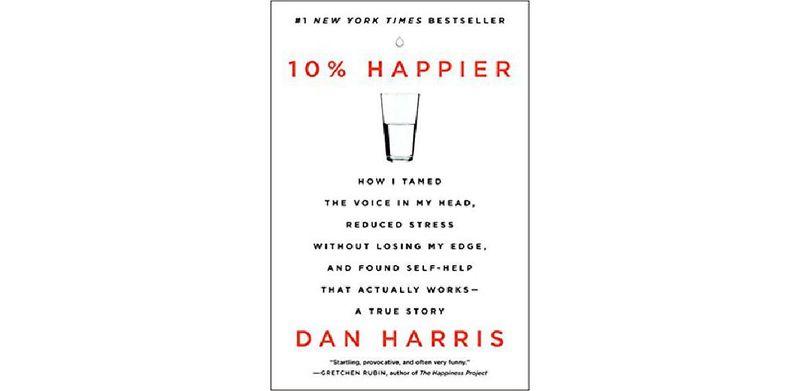
41. 10% Happier: How I Tamed the Voice in My Head, Reduced Stress Without Losing My Edge, and Found Self-Help That Actually Works – A True Story
by Dan Harris
Recommended by 3 leaders: Peter Attia, Chelsea Frank and Chris Goward
Mainly a memoir, Dan Harris recounts how an on-air panic attack led the skeptical news anchor to meditation, years among scientists and a ten-day silent retreat. Chris Goward valued its account, free of the religious framing he had struggled with elsewhere.