Best Trading Books: 29 Picks Recommended by CEOs
Nassim Nicholas Taleb’s Fooled by Randomness ranks first, a former trader’s case that markets reward luck far more often than traders admit. Michael Lewis takes the next two places: The Big Short follows the few investors who bet against subprime mortgage bonds before 2008, and Liar’s Poker goes inside the Salomon Brothers bond trading floor of the 1980s.
The list is for founders, executives and private investors curious about active trading and speculation rather than buy-and-hold investing. The core books include Edwin Lefèvre’s novel built on Jesse Livermore, Jack Schwager’s interviews with top traders, manuals on proprietary stock trading and options volatility, memoirs of trading wins and ruinous losses from Jim Paul and Michael Steinhardt, John Coates on the biology of risk taking, and histories of speculative manias by Edward Chancellor and John Kenneth Galbraith.
The related tier collects books mainly about something else that still bear on trading: Taleb’s later essays on risk, a narrative of the 1929 crash, the case against stock picking in A Random Walk Down Wall Street, and technical works on derivatives pricing, quantitative models and bet sizing.
We ranked these 29 books by how many of the 1,088 founders, CEOs and leaders on The CEO Library recommend them: first the 16 books mainly about trading and speculation, then 13 related books under Also worth reading.
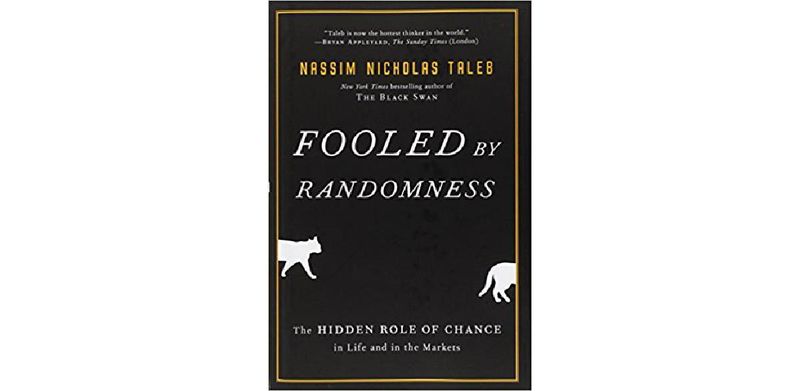
1. Fooled by Randomness: The Hidden Role of Chance in Life and in the Markets
Recommended by 6 leaders, including James Clear, Howard Marks and James Altucher
Nassim Nicholas Taleb draws on his years as a trader to show how traders mistake lucky streaks for skill, forget the many who blew up, and favor bets that pay small sums often before one loss wipes them out. Howard Marks calls it an important book on randomness.
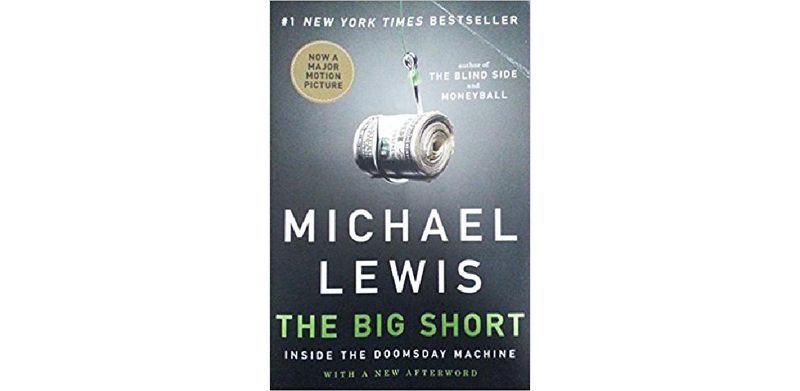
2. The Big Short: Inside the Doomsday Machine
Recommended by 2 leaders: Sheryl Sandberg and Fabrice Grinda
Michael Lewis follows the few hedge fund managers and traders, among them Eisman, Lippmann and Burry, who bet against subprime mortgage bonds and the derivatives built on them before 2008, and profited as housing collapsed. Sheryl Sandberg admires how Lewis makes complicated subjects simple.
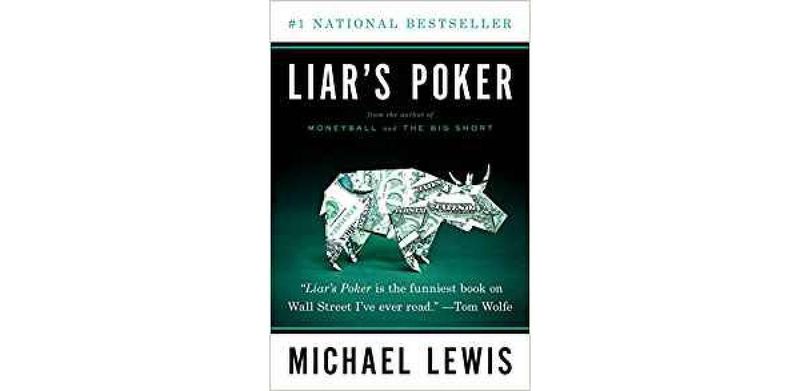
3. Liar’s Poker
Recommended by 2 leaders: Chamath Palihapitiya and Audrey Russo
Michael Lewis recalls rising from trainee to bond salesman at Salomon Brothers in the 1980s, showing the trading floor from inside: its bond traders, the gambling game of the title and the firm’s creation of a market in mortgage bonds. Chamath Palihapitiya recommends it.
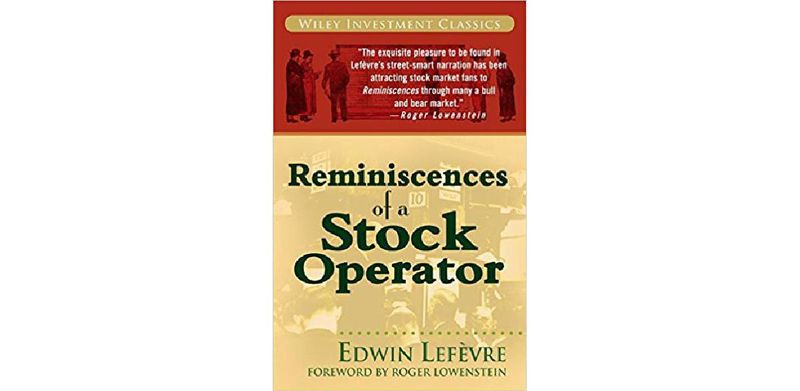
4. Reminiscences of a Stock Operator
Recommended by 2 leaders: Bill Liao and Michael Hebenstreit
Edwin Lefèvre’s novel follows Larry Livingston, a thinly veiled Livermore, from betting on price gaps in bucket shops to trading on the exchange itself, learning a speculator’s craft along the way. Michael Hebenstreit, a former stockbroker, recommends it to anyone drawn to trading.
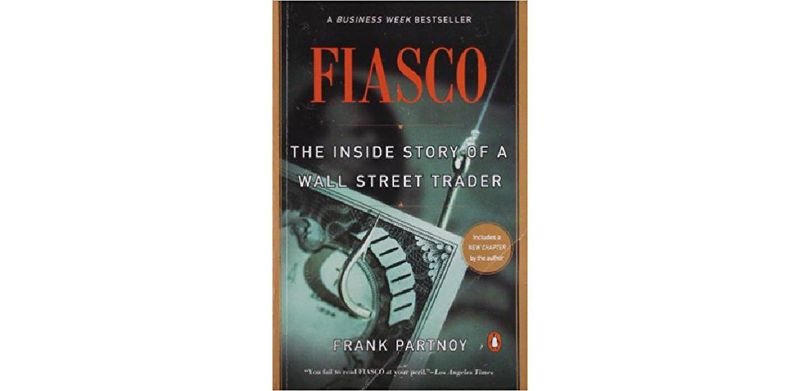
5. Fiasco: The Inside Story of a Wall Street Trader
Recommended by 1 leader: Charlie Munger
Frank Partnoy recalls selling complex derivatives on the Morgan Stanley trading floor, where salesmen pushed securities that many traders barely understood, and indicts a loosely regulated derivatives market. Charlie Munger remembers being shocked by it and warns that it will make readers sick.
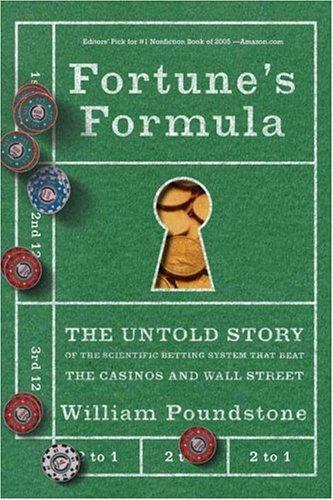
6. Fortune’s Formula: The Untold Story of the Scientific Betting System That Beat the Casinos and Wall Street
Recommended by 1 leader: Charlie Munger
William Poundstone explains how the Kelly formula, devised at Bell Labs in 1956, tells a bettor who already has an edge how much to stake, and how Thorp and Shannon carried it from Las Vegas tables to the stock market. Charlie Munger says it gathers the modern evidence entertainingly.
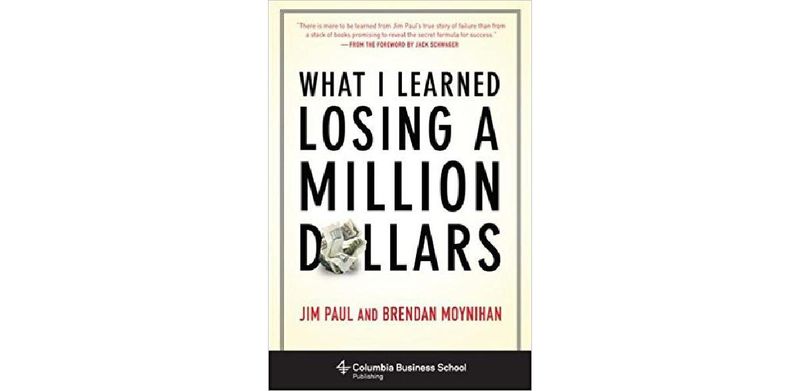
7. What I Learned Losing a Million Dollars
Recommended by 1 leader: Ryan Holiday
Jim Paul, once a Chicago Mercantile Exchange governor, recounts how hubris cost him $1.6 million, and with Brendan Moynihan draws a framework for spotting the psychological traps behind trading and speculation losses. Ryan Holiday values it as a rare story told by someone who rose high and then lost everything.
8. A Short History of Financial Euphoria
Recommended by 1 leader: Howard Marks
John Kenneth Galbraith lines up speculative manias from the tulip craze and the South Sea Bubble to junk bond leverage, showing how each generation of speculators talks itself into a new boom. Howard Marks says it captures how market psychology swings to extremes.
9. Devil Take the Hindmost: A History of Financial Speculation
Recommended by 1 leader: Howard Marks
Edward Chancellor’s history of speculation, told through figures from Disraeli and Defoe to Boesky, argues that speculators answer to wider ambitions than fear and greed, and disputes that speculation is always rational. Howard Marks pairs it with Galbraith’s book as his favorites on market excesses.
10. The New Market Wizards: Conversations with America’s Top Traders
Recommended by 2 leaders: Richard Dennis and Ed Seykota
Jack Schwager questions traders across futures, options and floor trading, Druckenmiller and Eckhardt among them, about the edge behind their returns and the losses that embarrassed them. Richard Dennis says the interviews always give him plenty to think about.
11. The Greatest Trade Ever: The Behind-the-Scenes Story of How John Paulson Defied Wall Street and Made Financial History
Recommended by 1 leader: Fabrice Grinda
Gregory Zuckerman tells how hedge fund manager Paulson, a merger specialist with little housing experience, used credit default swaps to bet against subprime mortgages, lost money at first, then earned his firm billions as markets collapsed in 2007. Fabrice Grinda has it on his reading list.
12. One Good Trade: Inside the Highly Competitive World of Proprietary Trading
Recommended by 1 leader: Aviers Lim
Mike Bellafiore, cofounder of a proprietary trading firm, explains how his desk trains traders to find stocks in play, read the tape and repeat one good trade, with stories of traders who made it and some who washed out. Aviers Lim carries its lessons on patience and timing into business.
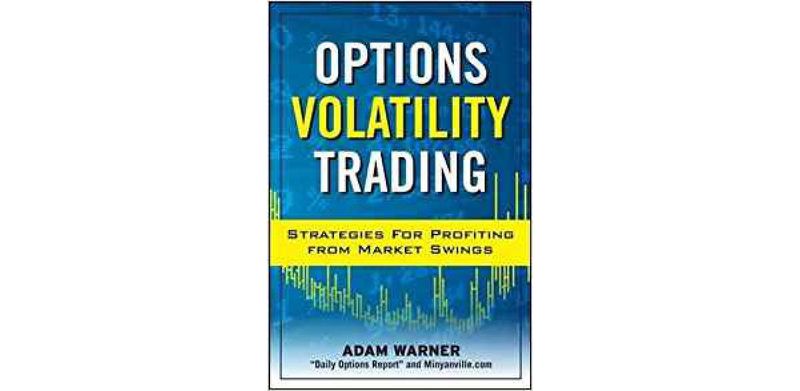
13. Options Volatility Trading: Strategies for Profiting from Market Swings
by Adam Warner
Recommended by 1 leader: James Murphy
Adam Warner explains how volatility behaves in the options market, how to read the VIX alongside other tools, and how the options Greeks underpin strategies for running an options account. James Murphy says it finally showed him how to profit whether markets rise or fall.
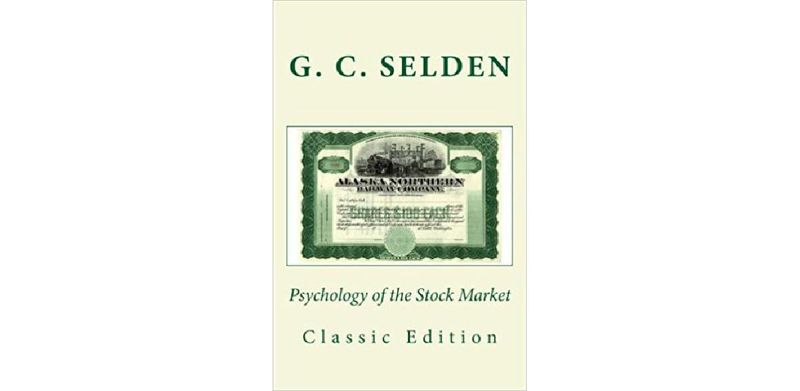
14. Psychology of the Stock Market
by G. C. Selden
Recommended by 1 leader: David Sisk
G. C. Selden’s 1912 guide treats trading as a test of temperament: stay out when in doubt, keep positions small enough to sleep on, and resist the common fault of buying into optimism near the top. David Sisk notes that greed and fear have not changed.
15. No Bull: My Life In and Out of Markets
Recommended by 1 leader: Nassim Nicholas Taleb
Michael Steinhardt recounts running Steinhardt Partners from 1967 to 1995, trading against the prevailing trend, staking everything on bonds in 1981 and stumbling in global macro trading in the mid-1990s. Nassim Nicholas Taleb ranks him among history’s greatest traders.
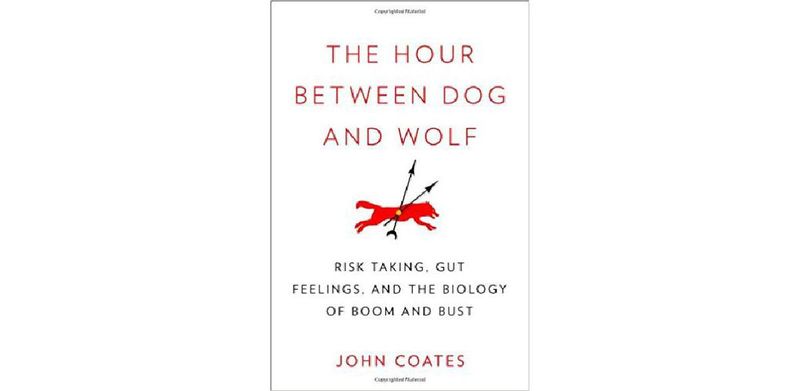
16. The Hour Between Dog and Wolf: Risk Taking, Gut Feelings and the Biology of Boom and Bust
by John Coates
Recommended by 1 leader: Nassim Nicholas Taleb
John Coates, who ran a derivatives desk before turning to neuroscience, shows how winning streaks lift testosterone and make traders bold while sharp losses raise cortisol and make them timid, tracking a group of invented traders through boom and bust. Nassim Nicholas Taleb has endorsed it.
Also worth reading
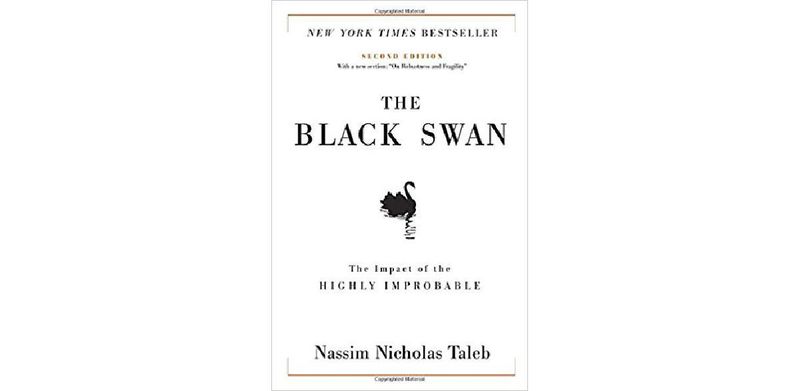
17. The Black Swan: The Impact of the Highly Improbable
Recommended by 12 leaders, including Jeff Bezos, James Altucher and Fabrice Grinda
Mainly a study of rare, high-impact events across history and private life, Nassim Nicholas Taleb’s book draws on his options trading years to show how financial models leave banks exposed to the unforeseen. Gabriel Coarnă says it made him completely rethink risk.
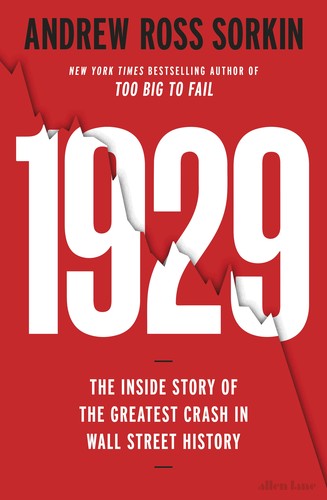
18. 1929
Recommended by 4 leaders, including Barack Obama, Bill Ackman and Howard Marks
Mainly a narrative history of the 1929 crash, Andrew Ross Sorkin’s book shows speculation at work: margin buying on call money, stock pools inflating prices, and speculators such as Livermore and Durant. Bill Ackman says it puts readers in the room as events unfold.
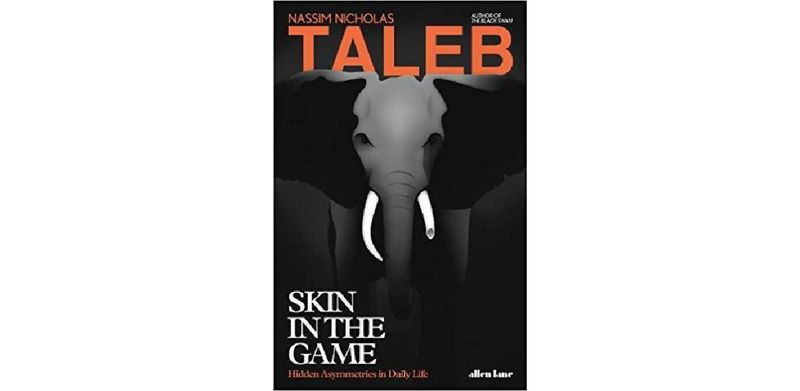
19. Skin in the Game: Hidden Asymmetries in Daily Life
Recommended by 4 leaders, including Marc Andreessen, Daniel Kahneman and James Altucher
Mostly an essay on risk and fairness, Nassim Nicholas Taleb’s book uses his options trading past to argue that whoever takes the rewards must also carry the risks, a test he applies to bankers. Marc Andreessen pairs it with Tetlock’s work as a guide to whom to trust.
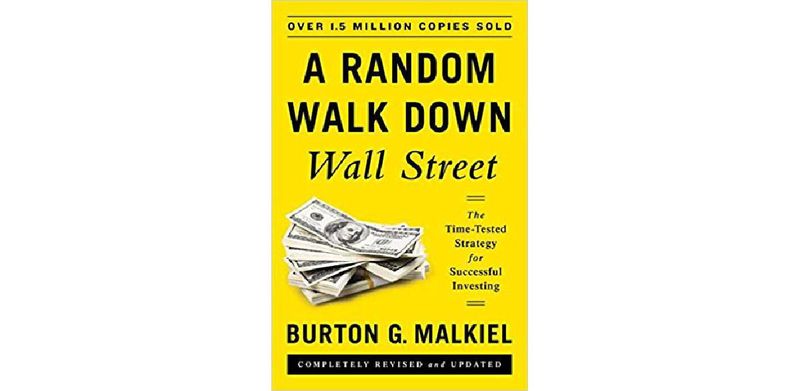
20. A Random Walk down Wall Street: The Time-tested Strategy for Successful Investing
Recommended by 2 leaders: Ramit Sethi and Michael Hebenstreit
A case for index investing rather than trading, Burton Malkiel’s book weighs chart reading and fundamental analysis against the academic evidence and concludes that neither reliably beats the market averages. Michael Hebenstreit recommends it to newcomers to stock trading.
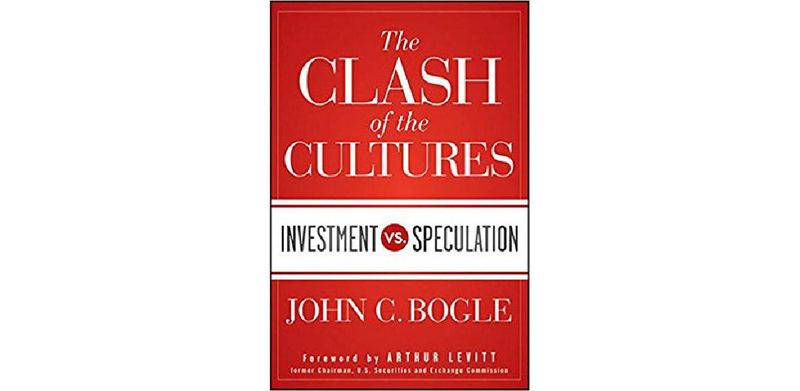
21. The Clash of the Cultures: Investment vs. Speculation
Recommended by 1 leader: Warren Buffett
Chiefly a critique of the fund industry, John Bogle’s book describes speculation spreading through mutual funds and the retirement system at the expense of patient investing, and ends with ten rules for investors. Warren Buffett has recommended it.
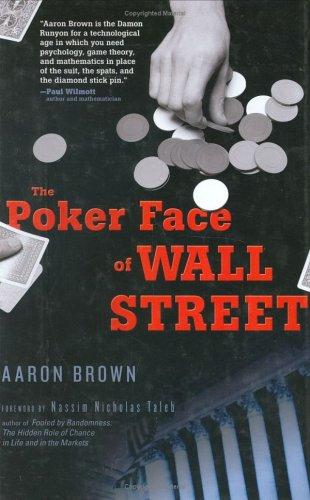
22. The Poker Face of Wall Street
by Aaron Brown
Recommended by 1 leader: Marc Andreessen
Part finance and part poker, Aaron Brown’s book treats Wall Street as a card table where money changes hands fast and neither traders nor players handle risk rationally. Marc Andreessen calls it extraordinary and quotes its advice on hiring traders.
23. The Soros Lectures: At the Central European University
by George Soros
Recommended by 1 leader: Henry Medine
Five 2009 lectures by George Soros, mostly about open society and capitalism, open with his reflexivity theory, which he uses to explain how financial markets behave and how the crisis then under way came about. Henry Medine lists it among his favorite books.
24. Financial Derivatives: Pricing, Applications, and Mathematics
Recommended by 1 leader: Nassim Nicholas Taleb
A graduate textbook rather than a trading manual, Jamil Baz and George Chacko’s book builds the mathematics of pricing and hedging derivatives, from random walks and Ito’s lemma to interest rate swaps. Nassim Nicholas Taleb wishes he had read it sooner.
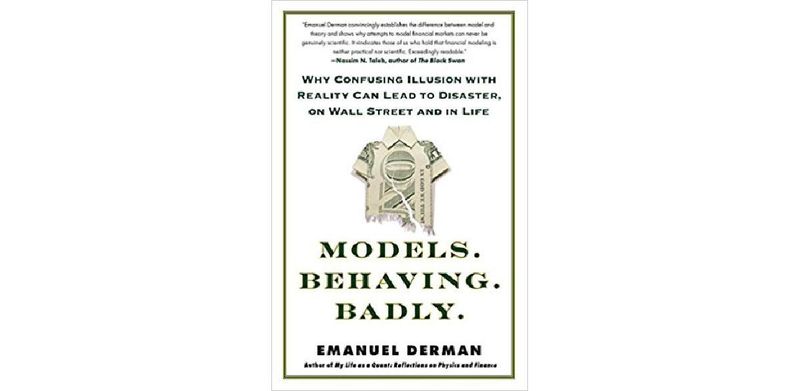
25. Models.Behaving.Badly.: Why Confusing Illusion with Reality Can Lead to Disaster, on Wall Street and in Life
Recommended by 1 leader: Nassim Nicholas Taleb
Emanuel Derman, once head quant at Goldman Sachs, mixes memoir and argument to show why financial models can only roughly approximate markets and why treating them like physics invites disaster. Nassim Nicholas Taleb endorsed it.

26. The Blank Swan: The End of Probability
by Elie Ayache
Recommended by 1 leader: Nassim Nicholas Taleb
Elie Ayache, who started on the floor of the French futures and options exchange on the day of the 1987 crash, writes a philosophical treatise rethinking derivative pricing and trading technology. Nassim Nicholas Taleb welcomed its new take on rare events.
27. The Kelly Capital Growth Investment Criterion: Theory and Practice
by Leonard C. MacLean, Edward O. Thorp, William T. Ziemba
Recommended by 1 leader: Nassim Nicholas Taleb
A collection of academic papers on the Kelly growth criterion weighs a sizing rule that maximizes long-run wealth against the heavy losses it can occasionally bring, softened by fractional versions. Nassim Nicholas Taleb endorsed it over Markowitz-style portfolio optimization.
28. The Statistical Mechanics of Financial Markets
Recommended by 1 leader: Nassim Nicholas Taleb
Johannes Voit’s textbook links statistical physics to finance, testing the random walk behind option pricing and hedging against market data and treating crashes like phase transitions. Nassim Nicholas Taleb found it very useful on L-stable distributions.

29. Kochland: The Secret History of Koch Industries and Corporate Power in America
Recommended by 1 leader: William Cohan
Mostly a corporate history of Koch Industries, Christopher Leonard’s book gives a full section to the company’s move into commodity trading and finance, including its part in the 2000 California electricity crisis. William Cohan praised its deep reporting.