Best Books for Managers: 50 Picks Recommended by CEOs
Creativity, Inc. by Ed Catmull, High Output Management by Andrew Grove and The Five Dysfunctions of a Team by Patrick Lencioni lead this list of management books that founders and CEOs recommend. Catmull shows how Pixar keeps candid feedback alive in a creative studio, Grove sets out the Intel methods behind objectives, reviews and training, and Lencioni uses a fable about a divided leadership team to name the five dysfunctions that trouble even strong teams.
The list is for people who manage other people: first-time managers, team leads promoted from engineering or sales, and founders whose companies have grown past the point where they can do everything themselves. It concentrates on the daily craft of the job rather than on leadership in general.
The core books, from Julie Zhuo’s field guide for new managers onward, cover hiring, coaching, feedback, meetings, goal-setting systems such as OKRs, and the operations side of managing, from the theory of constraints to lean production and open-book management. The related tier adds books mainly about something else that still help a manager, such as Ben Horowitz on the startup chief executive’s job, Ray Dalio’s principles and guides to hard conversations and receiving feedback.
We ranked these 50 books by how many of the 1,088 founders, CEOs and leaders on The CEO Library recommend them: first the 39 books mainly about managing people and operations, then 11 related books under Also worth reading.
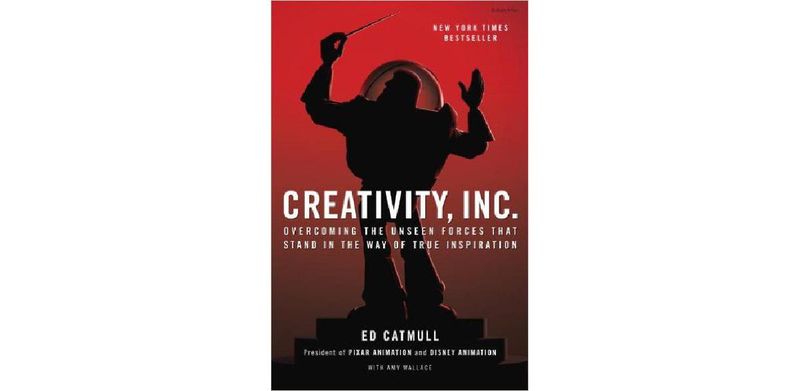
1. Creativity, Inc.: Overcoming the Unseen Forces That Stand in the Way of True Inspiration
Recommended by 12 leaders, including Mark Zuckerberg, Demis Hassabis and Brene Brown
Ed Catmull, who co-founded Pixar and ran it as president, takes readers into Pixar’s Braintrust sessions, story meetings and postmortems, where managers keep honesty and candor alive inside a creative company. Mark Zuckerberg recommends it for its account of building a culture where creativity can grow.
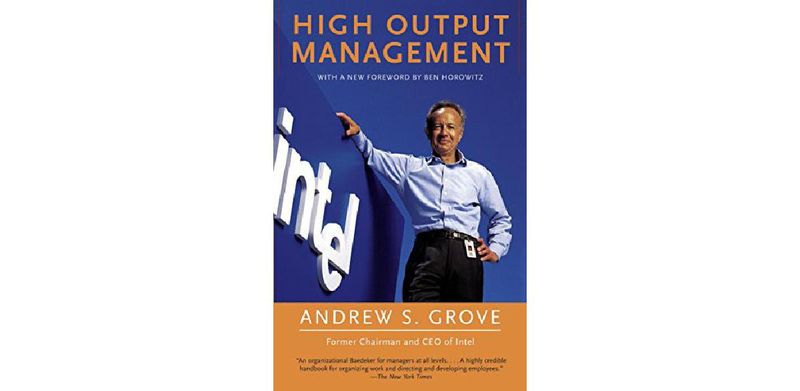
2. High Output Management
Recommended by 8 leaders, including Mark Zuckerberg, Marc Andreessen and Tobi Lütke
Andrew Grove reduces running a company to the skill of managing, drawing on his Intel methods for management by objective, performance reviews, training and building productive teams. Mark Zuckerberg says it shaped his management style, and Tobi Lütke calls it close to a how-to manual.
3. The Five Dysfunctions of a Team
Recommended by 6 leaders, including Joel Gascoigne, Roxana Bitoleanu and Mikhail Dubov
Patrick Lencioni uses a fable about a new chief executive uniting a divided leadership team to set out five problems that sink teams, from absence of trust to inattention to results, with steps to fix each. Holger Seim says it turned his attention from his own output to the team’s.

4. The Making of a Manager: What to Do When Everyone Looks to You
by Julie Zhuo
Recommended by 10 leaders, including Sam Altman, Mike Krieger and Stewart Butterfield
Julie Zhuo became a manager at 25 and writes a field guide to the early years in the role, covering hiring and firing, meetings, planning and how to win the trust of reports. Mike Krieger wishes he had read it when he began managing at Instagram.
5. The Effective Executive: The Definitive Guide to Getting the Right Things Done
Recommended by 5 leaders, including Tim Ferriss, Matt Mullenweg and Henry Medine
Peter Drucker judges executive work by whether the right things get done, and lists five learnable practices: managing time, choosing a contribution, using strengths, setting priorities and making effective decisions. Tim Ferriss rates it above nearly all time management books.
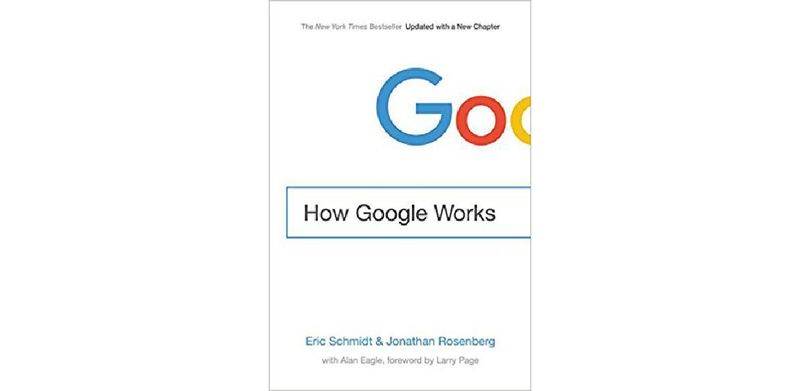
6. How Google Works
by Eric Schmidt, Jonathan Rosenberg
Recommended by 4 leaders, including Nicolae Andronic, Gary Bury and Radu Marcusu
Eric Schmidt and Jonathan Rosenberg, who ran Google and its products, record what they learned about managing as the company grew, centered on hiring smart creatives and giving them room, with maxims on culture, talent and decisions. Gary Bury recommends it as a view inside a large tech company.
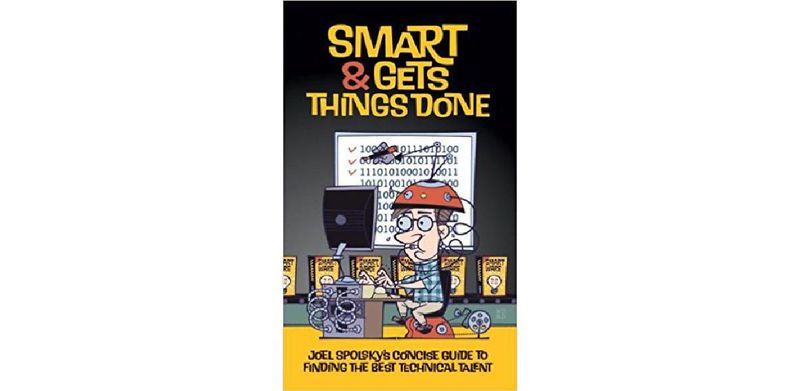
7. Smart and Gets Things Done: Joel Spolsky’s Concise Guide to Finding the Best Technical Talent
Recommended by 4 leaders, including Adam Tornhill, Ivan Bjelajac and Mark Foster
Spolsky, drawing on Microsoft and his own New York software company, sets out how to sort resumes, find strong candidates and interview developers, on the view that hiring the best programmers decides a software firm’s fate. Brendan Sterne praises its practical hiring advice.
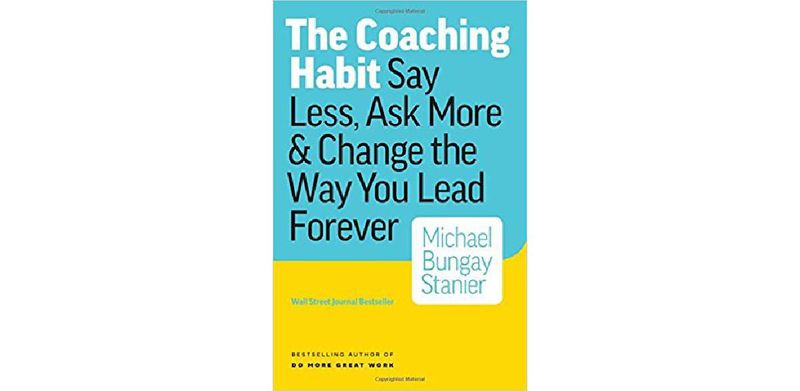
8. The Coaching Habit: Say Less, Ask More & Change the Way You Lead Forever
Recommended by 4 leaders, including Brene Brown, Seth Godin and Armina Sirbu
Michael Bungay Stanier builds a manager’s daily coaching around seven questions, from the Kickstart question to the Learning question, arguing that asking more and advising less saves effort for managers and teams alike. Seth Godin calls it a modern classic.
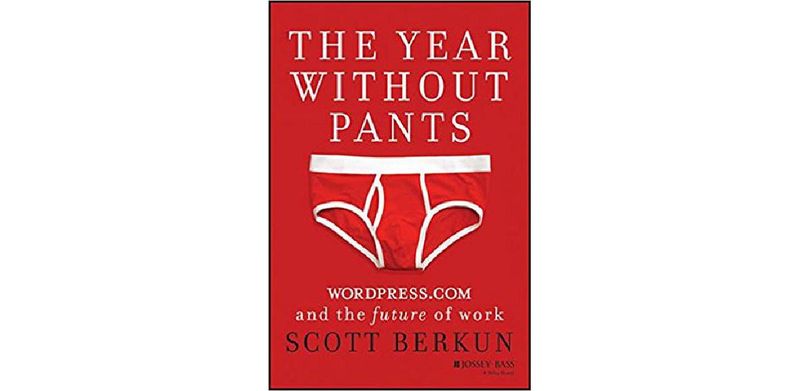
9. The Year Without Pants: WordPress.com and the Future of Work
by Scott Berkun
Recommended by 6 leaders, including Tim Ferriss, Om Malik and Eric Ries
Scott Berkun, a Microsoft veteran, spent time managing a small group of young developers at WordPress.com, where staff work from anywhere and seldom use email, and reports what that taught him about productivity and culture. Tim Ferriss suggests it for thinking differently about management.
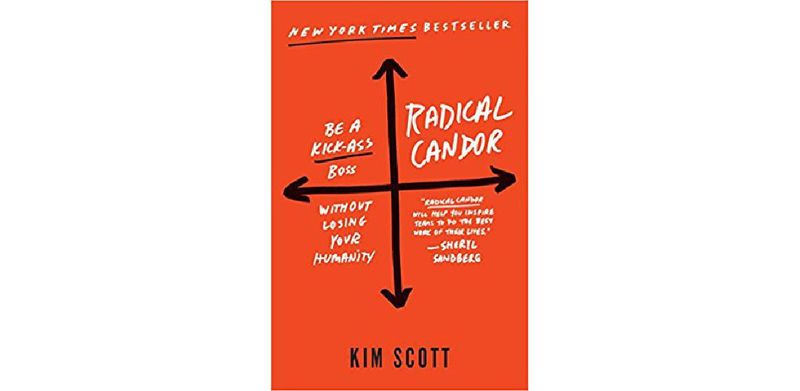
10. Radical Candor: Be a Kick-Ass Boss Without Losing Your Humanity
by Kim Scott
Recommended by 4 leaders, including Daniel Pink, Christopher Lochhead and Thomas Graziani
Kim Scott, drawing on her years at Google and Apple, argues that a boss must care personally and challenge directly at once, and sorts feedback into four behaviors from ruinous empathy to radical candor. Gabriel Weinberg lists it among books that gave him lasting mental models.
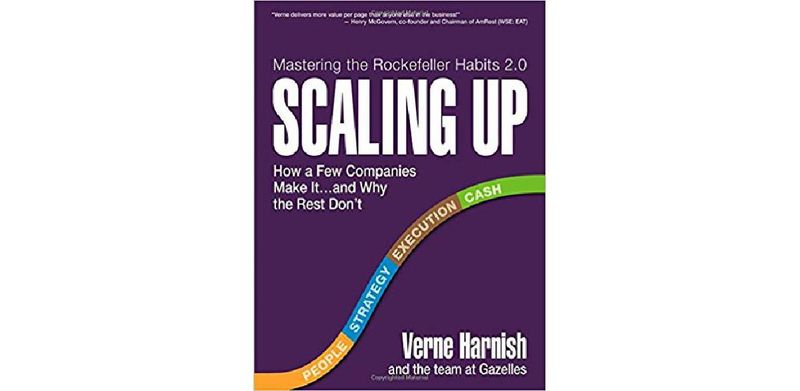
11. Scaling Up: How a Few Companies Make It…and Why the Rest Don’t (Rockefeller Habits 2.0)
Recommended by 5 leaders, including Patrick Lencioni, Scott Tannas and Alexandra Stroe
Verne Harnish organizes the work of running a growing company around four decisions on people, strategy, execution and cash, backed by one-page tools such as the Rockefeller Habits Checklist. Iulia Ghita credits it with helping her team grow Bookster.
12. Remote: Office Not Required
by Jason Fried, David Heinemeier Hansson
Recommended by 3 leaders: Richard Branson, Vincenzo Ruggiero and Zack Onisko
Jason Fried and David Heinemeier Hansson of 37signals make the employer’s case for letting a team work from anywhere, weighing gains such as a wider talent pool against the real challenges and showing how to set it up. Zack Onisko reread it while running a fully remote company.
13. Measure What Matters: How Google, Bono, and the Gates Foundation Rock the World With OKRs
by John Doerr
Recommended by 5 leaders, including Reid Hoffman, Walter Isaacson and John Chambers
John Doerr explains Objectives and Key Results, the goal-setting system he learned at Intel and later taught to Google’s founders, as a way to focus effort, link teams across silos and make every goal visible.
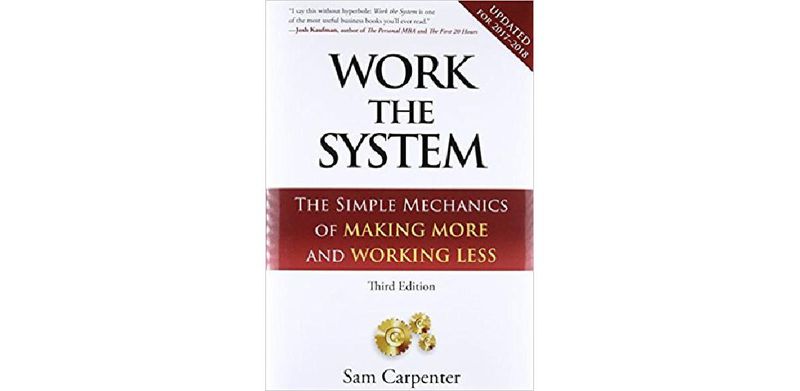
14. Work the System: The Simple Mechanics of Making More and Working Less
Recommended by 3 leaders: Marvin Liao, Andrew Youderian and Sa El
Sam Carpenter treats a business as a set of separate linear systems that an owner can document and refine one at a time, the method that cut his own working week to a single hour. Sa El values its focus on holding systems and people accountable.

15. Trillion Dollar Coach: The Leadership Playbook of Silicon Valley’s Bill Campbell
by Eric Schmidt, Jonathan Rosenberg, Alan Eagle
Recommended by 4 leaders, including Tim Cook, Sundar Pichai and Sheryl Sandberg
Eric Schmidt, Jonathan Rosenberg and Alan Eagle interviewed more than eighty people to record how the coach behind leaders at Google, Apple and Intuit built trust, encouraged courage and settled tensions in fast-moving teams. Sheryl Sandberg, whom he coached for several years, recommends it.
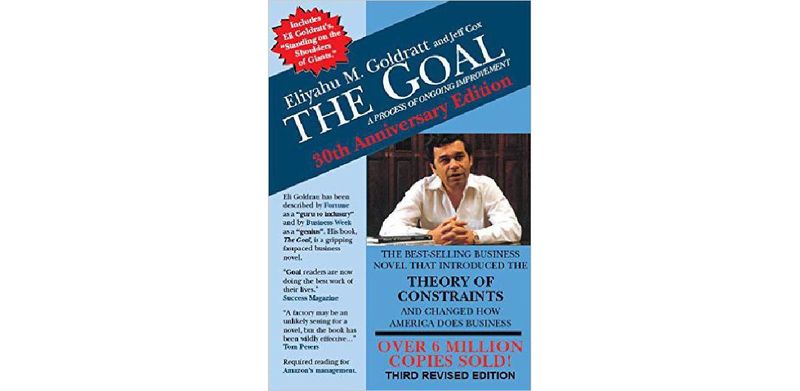
16. The Goal: A Process of Ongoing Improvement
by Eliyahu M. Goldratt, Jeff Cox
Recommended by 2 leaders: Jeff Bezos and Chris Goward
Eliyahu M. Goldratt and Jeff Cox teach the theory of constraints through a novel about Alex Rogo, a plant manager given three months to save his factory, who learns from a former professor how bottlenecks govern output. Jeff Bezos recommends it.
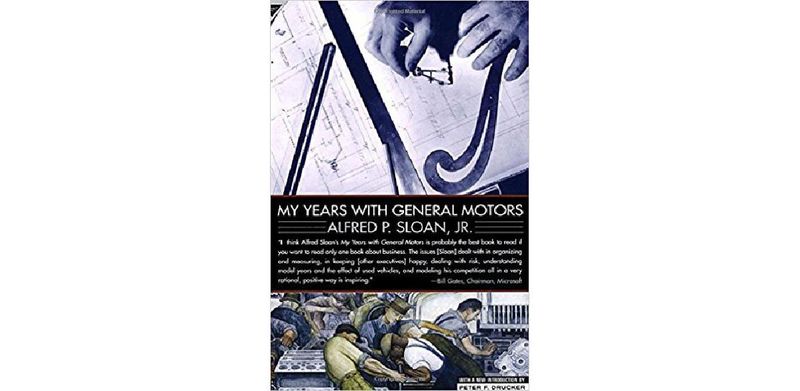
17. My Years with General Motors
by Alfred Sloan
Recommended by 2 leaders: Ben Horowitz and Bogdan Iordache
Alfred Sloan’s memoir of half a century at General Motors records how the company built its management policies on planning, financial growth and leadership, and many managers have treated it as a practical handbook. Ben Horowitz found it useful on problems of scale.

18. Nine Lies About Work: A Freethinking Leader’s Guide to the Real World
by Marcus Buckingham, Ashley Goodall
Recommended by 2 leaders: Adam Grant and Ali Abdaal
Marcus Buckingham and Cisco’s Ashley Goodall take apart nine common beliefs about work, among them that people crave feedback and that culture matters most, and argue that team strength and real-time intelligence count for more. Ali Abdaal recommends it to anyone leading a team.
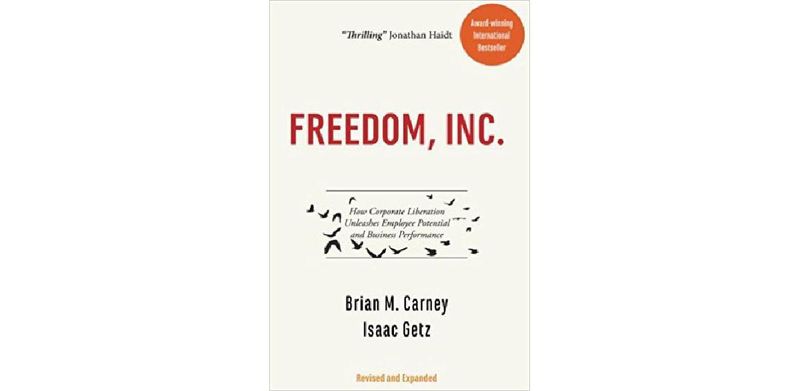
19. Freedom, Inc.: How Corporate Liberation Unleashes Employee Potential and Business Performance
by Brian M. Carney, Isaac Getz
Recommended by 2 leaders: Mehdi Kajbaf and Nicolae Andronic
Brian M. Carney and Isaac Getz profile leaders at Harley-Davidson, USAA, Gore and other firms who dropped command-and-control management for trust and freed employees to take initiative. Nicolae Andronic describes it as a study of liberated companies run without a traditional chain of command.
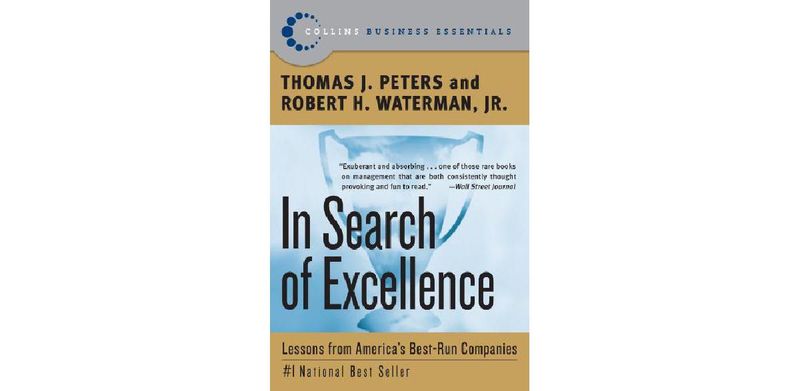
20. In Search of Excellence: Lessons from America’s Best-Run Companies
by Tom Peters, Robert H. Waterman
Recommended by 2 leaders: Aidan Connolly and Alden Mills
Tom Peters and Robert H. Waterman, consultants at McKinsey, studied 43 well-run American companies and distilled eight management themes, including staying close to customers, acting quickly and raising productivity through people. Aidan Connolly says it gave him a passion for management.
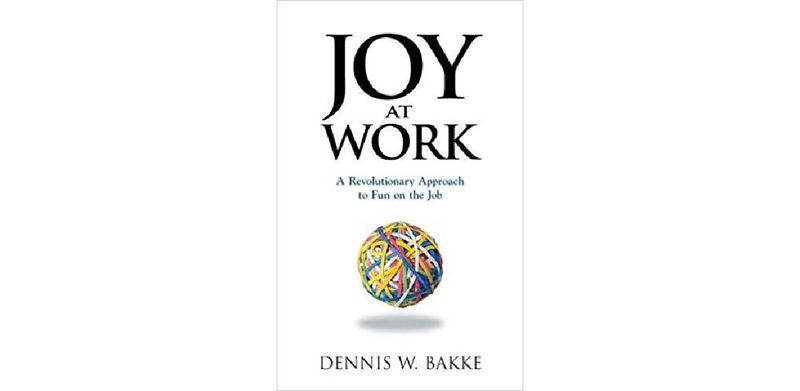
21. Joy At Work: A Revolutionary Approach to Fun on the Job
Recommended by 2 leaders: Joel Gascoigne and Kevin Lamping
Dennis W. Bakke, co-founder of energy company AES, describes removing the divide between labor and management and pushing decisions down to the plant floor, so that every call made at the top counted as a lost chance to delegate. Joel Gascoigne recommends it.
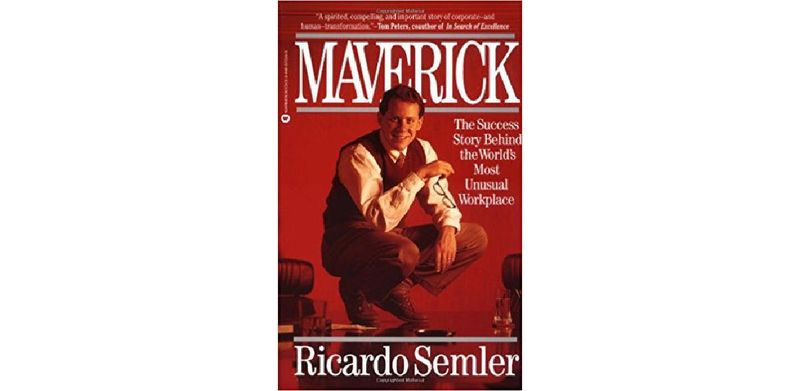
22. Maverick: The Success Story Behind the World’s Most Unusual Workplace
Recommended by 2 leaders: Joel Gascoigne and Mehdi Kajbaf
Ricardo Semler describes taking over his family’s Brazilian manufacturer at 21 and letting employees set quotas and schedules, read the financial statements and share profits, collapsing twelve layers of hierarchy into three circles. Joel Gascoigne recommends it for the full story of that overhaul.
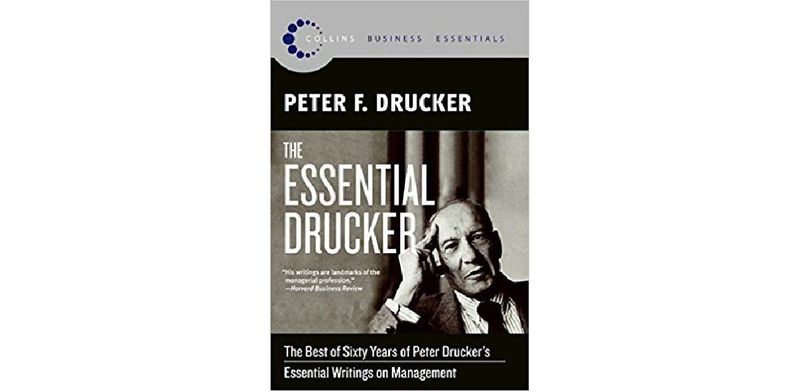
23. The Essential Drucker: The Best of Sixty Years of Peter Drucker’s Essential Writings on Management
Recommended by 2 leaders: Audrey Russo and Matthieu David
Twenty-six selections from Peter Drucker’s sixty years of writing cover management, the individual and society, including the information executives need and how to use time and strengths well. Audrey Russo says Drucker outlasts the trends that most business books follow.
24. The Great Game of Business: The Only Sensible Way to Run a Company
Recommended by 2 leaders: Brian Scudamore and Paul Hawken
Jack Stack explains open-book management, worked out on the factory floor of a nearly bankrupt International Harvester division, in which every employee learns the key numbers and holds a stake in results. Brian Scudamore credits it with teaching him the value of transparency with staff.
25. Lean Thinking: Banish Waste and Create Wealth in Your Corporation
by James P. Womack, Daniel T. Jones
Recommended by 1 leader: Jeff Bezos
James P. Womack and Daniel T. Jones set out five lean principles for operations, from specifying customer value and mapping value streams to flow, pull and removing waste, with cases from Porsche to Pratt & Whitney. Jeff Bezos has recommended it.
26. The Mythical Man-Month: Essays on Software Engineering
Recommended by 1 leader: Jeff Bezos
Frederick P. Brooks Jr. turns his years managing IBM’s System/360 and OS/360 into essays on running software projects, including Brooks’s law that adding programmers to a late project only makes it later. Jeff Bezos has recommended it.

27. Powerful: Building a Culture of Freedom and Responsibility
by Patty McCord
Recommended by 2 leaders: Laurene Powell Jobs and Arianna Huffington
Patty McCord, chief talent officer at Netflix, argues that companies get recruiting and team building wrong when they rely on perks, annual reviews and retention plans, and makes the case for candor and for parting with people who no longer fit. Arianna Huffington recommends it.
28. The Good Jobs Strategy: How the Smartest Companies Invest in Employees to Lower Costs and Boost Profits
by Zeynep Ton
Recommended by 1 leader: Doug McMillon
Zeynep Ton of MIT Sloan shows how QuikTrip, Costco, Trader Joe’s and Mercadona pair operational excellence with decent pay, training and steady schedules, keeping prices low while investing in employees. Doug McMillon lists it among the books that taught him most that year.

29. The Surprising Science of Meetings: How You Can Lead Your Team to Peak Performance
Recommended by 2 leaders: Adam Grant and David Altman
Steven G. Rogelberg uses research and surveys of more than 5,000 employees to show what separates good meetings from wasted hours, and sets out practices that managers and staff can use to improve them. Adam Grant calls him a leading expert on repairing meetings.

30. Multipliers: How the Best Leaders Make Everyone Smarter
Recommended by 1 leader: Ben Chestnut
Liz Wiseman and Greg McKeown contrast leaders who drain their people’s intelligence with those who amplify it, and from data on more than 150 leaders name five disciplines that get more from a team. Ben Chestnut recommends it as a book on leadership.
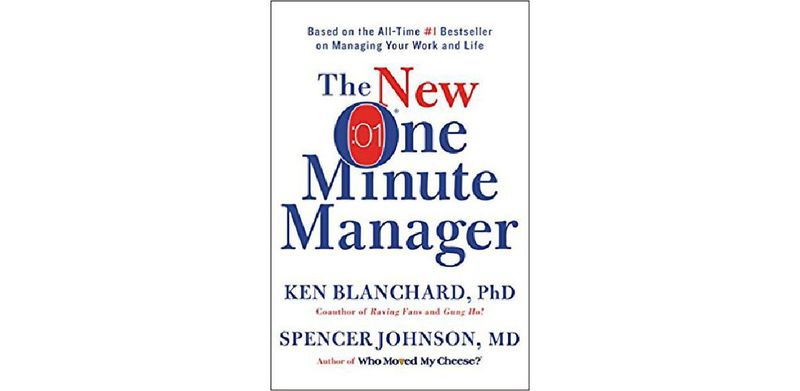
31. The New One Minute Manager
by Ken Blanchard, Spencer Johnson
Recommended by 1 leader: Bill Liao
Ken Blanchard and Spencer Johnson update their short parable of a young man looking for an effective manager, who learns three habits for leading people, starting with one minute goals and one minute praisings. Bill Liao recommends it.
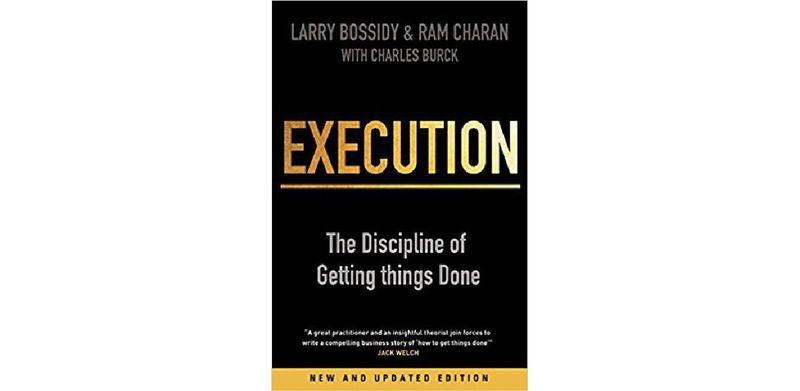
32. Execution: The Discipline of Getting Things Done
by Larry Bossidy, Ram Charan, Charles Burck
Recommended by 1 leader: Faisal Amin
Larry Bossidy and Ram Charan treat execution as the real job of running a business, a discipline tying together strategy, operations and people, and name selecting and appraising people as the leader’s main task. Faisal Amin highlights its case for giving up control to get things done.
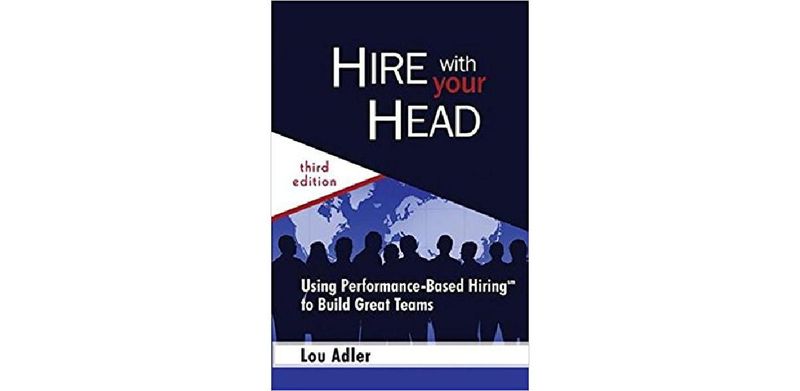
33. Hire With Your Head: Using Performance-Based Hiring to Build Great Teams
by Lou Adler
Recommended by 1 leader: Madalina Uceanu
Lou Adler sets out Performance-based Hiring, a method for matching the right person to any role that has been taught to tens of thousands of hiring managers, updated with new case studies and the internet’s part in recruiting. Madalina Uceanu cites Adler as an inspiration in headhunting.
34. Management Tips: From Harvard Business Review
Recommended by 1 leader: Radu Marcusu
Harvard Business Review gathers short tips from its Management Tip of the Day feature under three skills, managing oneself, leading a team and running a business, for busy managers to apply at once. Radu Marcusu calls it a handbook for every manager.
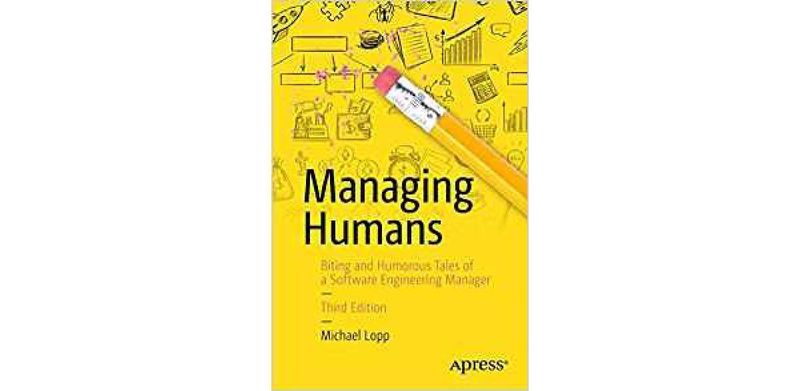
35. Managing Humans: Biting and Humorous Tales of a Software Engineering Manager
by Michael Lopp
Recommended by 1 leader: Dave Child
Michael Lopp’s stories from managing engineers at Apple, Netscape, Borland and Symantec cover handling a slacker, hiring, working with a boss, running meetings and holding a proper one-on-one. Dave Child calls it practical for developers moving into management.
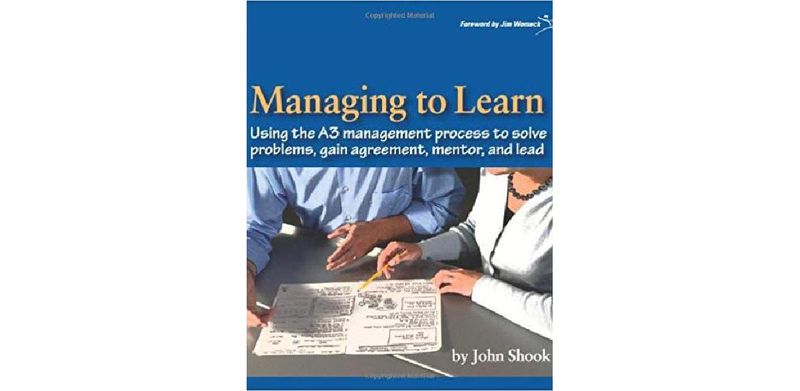
36. Managing to Learn: Using the A3 Management Process to Solve Problems, Gain Agreement, Mentor and Lead
by John Shook
Recommended by 1 leader: Daniel Buttner
John Shook, who spent years at Toyota, teaches A3 problem solving, the method behind lean management, through a dialogue between a manager and his boss, showing how to frame a problem, act on it and grow people the Toyota way. Daniel Buttner recommends it.
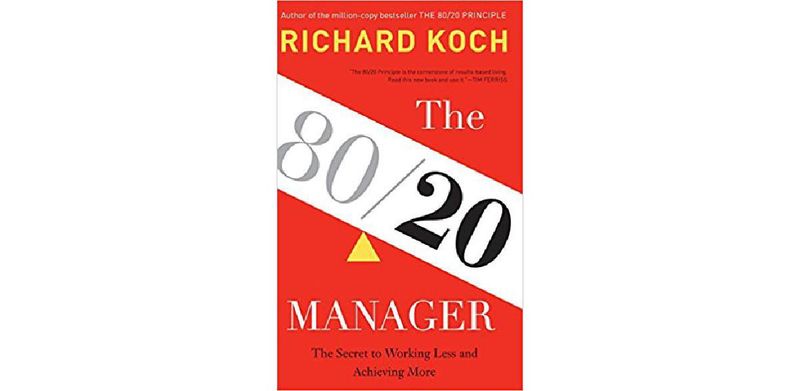
37. The 80/20 Manager: The Secret to Working Less and Achieving More
by Richard Koch
Recommended by 1 leader: Cristian-Dragos Baciu
Richard Koch applies his 80/20 principle to the work of managing, telling overloaded managers with full inboxes and unfinished lists to concentrate on the few issues that drive most results and to work fewer hours. Cristian-Dragos Baciu recommends it.
38. Toyota Production System: Beyond Large-Scale Production
by Taiichi Ohno
Recommended by 1 leader: Grey Baker
Taiichi Ohno, credited with creating the Toyota Production System, combines his own reflections with a study of Toyota’s shift to lean production and just-in-time methods for cutting waste in operations. Grey Baker counts it as perhaps the one business book he has really loved.
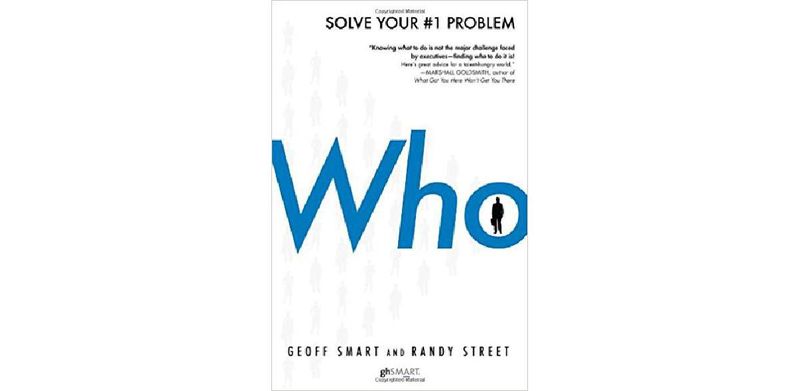
39. Who
Recommended by 1 leader: Matthieu David-Experton
Geoff Smart and Randy Street attack failed hiring with a method built from interviews with some 300 chief executives: define the outcomes a role must deliver, keep a steady supply of strong candidates and ask questions that separate them. Matthieu David-Experton found it useful for recruitment.
Also worth reading
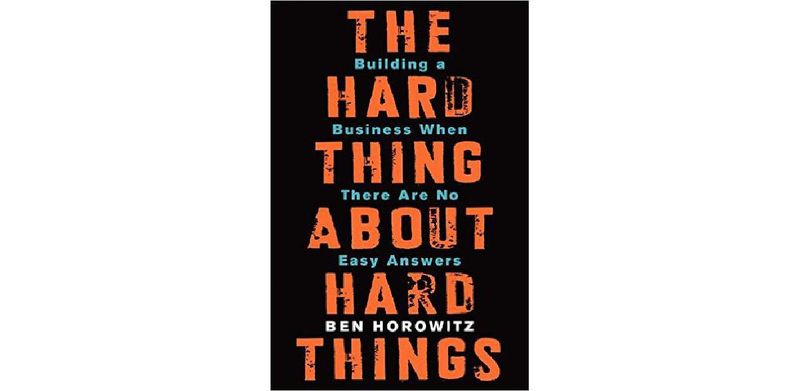
40. The Hard Thing About Hard Things: Building a Business When There Are No Easy Answers
by Ben Horowitz
Recommended by 38 leaders, including Peter Thiel, Mark Zuckerberg and Larry Page
Ben Horowitz’s account of building and selling technology companies is mainly about the startup chief executive’s job, but its chapters on firing friends, recruiting from competitors and hiring managers speak directly to managers. Leah Lizarondo turned to it as her team kept growing.
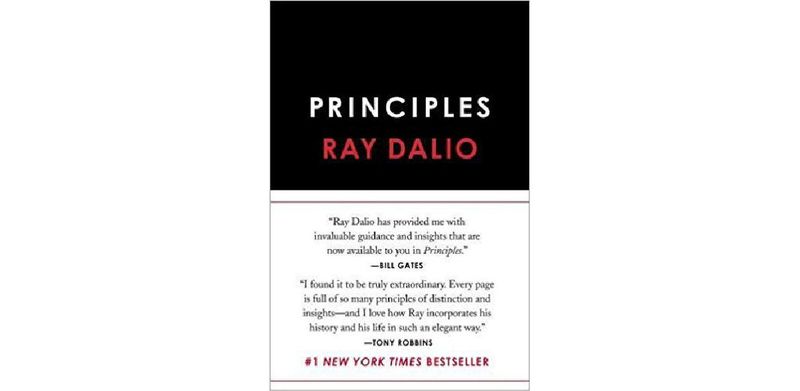
41. Principles: Life and Work
by Ray Dalio
Recommended by 21 leaders, including Bill Gates, Michael Bloomberg and Tony Robbins
Ray Dalio’s rules for life and for running Bridgewater Associates reach well beyond management, but they rest on radical truth and transparency in how teams decide, confront problems and get stronger. Reed Hastings says it changed his leadership style.
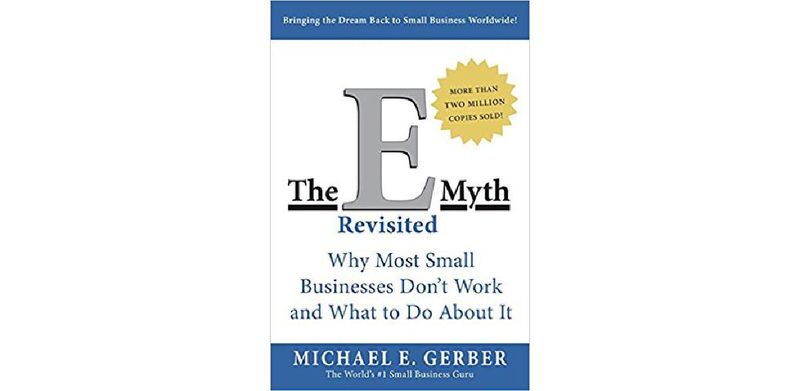
42. The E-Myth Revisited: Why Most Small Businesses Don’t Work and What to Do About It
Recommended by 16 leaders, including Tim Ferriss, James Clear and Brian Scudamore
Michael E. Gerber writes mainly for small business owners, but his distinction between working on a business and in it, and his case for franchise-style systems, is about building operations that others can run. Daisy Jing says it taught her to delegate.
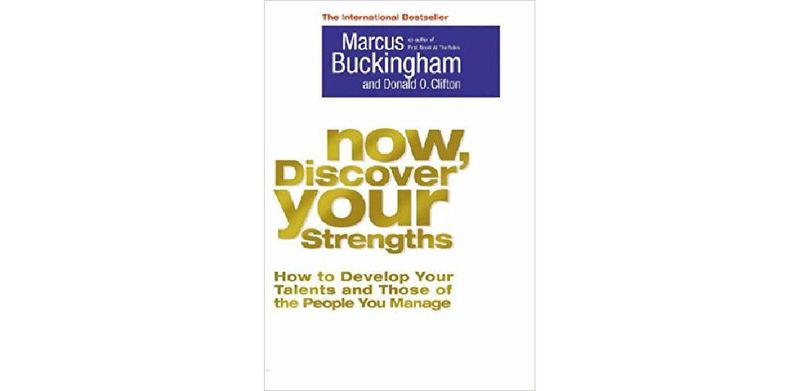
43. Now, Discover Your Strengths: How To Develop Your Talents And Those Of The People You Manage
by Marcus Buckingham, Donald O. Clifton
Recommended by 3 leaders: Sheryl Sandberg, Michael Woodward and Michael Voss
Marcus Buckingham and Gallup’s Donald O. Clifton build their StrengthsFinder assessment around developing talents instead of fixing flaws, an approach mainly for individuals that also applies to the people a manager leads. Sheryl Sandberg says it shaped how Facebook develops talent.
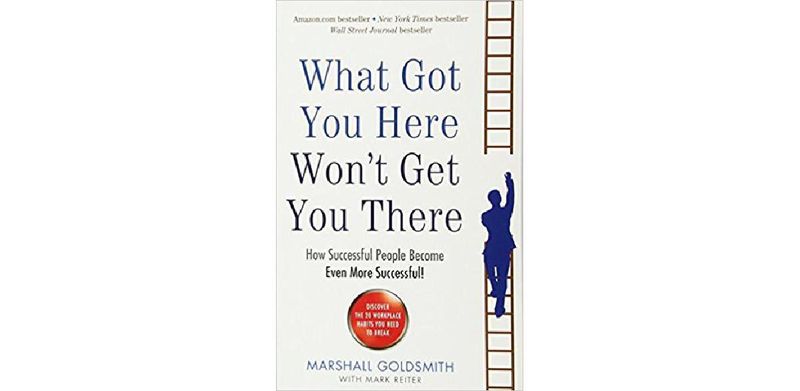
44. What Got You Here Won’t Get You There: How successful people become even more successful
Recommended by 3 leaders: James Clear, Cody McLain and Mark Moses
Executive coach Marshall Goldsmith writes mainly about personal behavior, naming twenty habits that hold back successful people at work and a method for changing them, which bears directly on how managers treat their teams. James Clear recommends it.
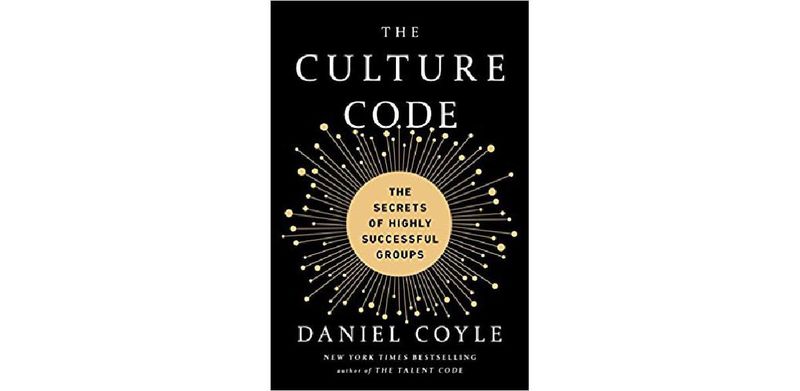
45. The Culture Code: The Secrets of Highly Successful Groups
by Daniel Coyle
Recommended by 2 leaders: Bryan Callen and Charles Duhigg
Daniel Coyle studies group culture inside the San Antonio Spurs, Pixar, IDEO and SEAL Team Six and names three skills that build cohesion, adding advice on repairing a toxic culture and building trust. Charles Duhigg recommends it for understanding how successful groups work.
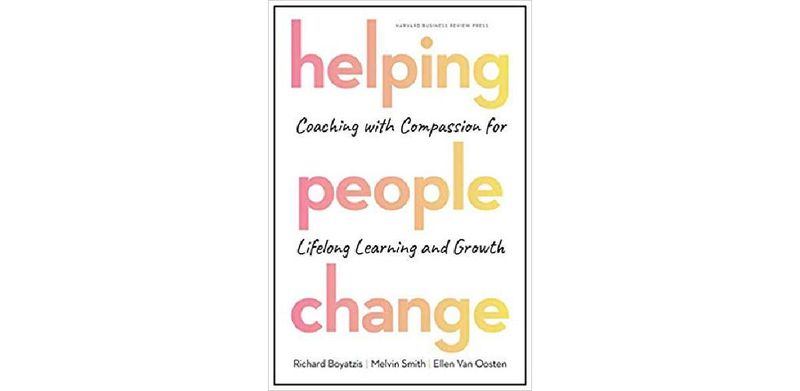
46. Helping People Change: Coaching with Compassion for Lifelong Learning and Growth
by Richard Boyatzis, Melvin L. Smith, Ellen Van Oosten
Recommended by 4 leaders, including Daniel Goleman, Marshall Goldsmith and Claudy Jules
Three Weatherhead School of Management researchers led by Richard Boyatzis write about coaching for teachers, parents and managers alike, arguing that change lasts when it connects to a person’s positive vision of themselves instead of fixing problems. Daniel Goleman recommends it.
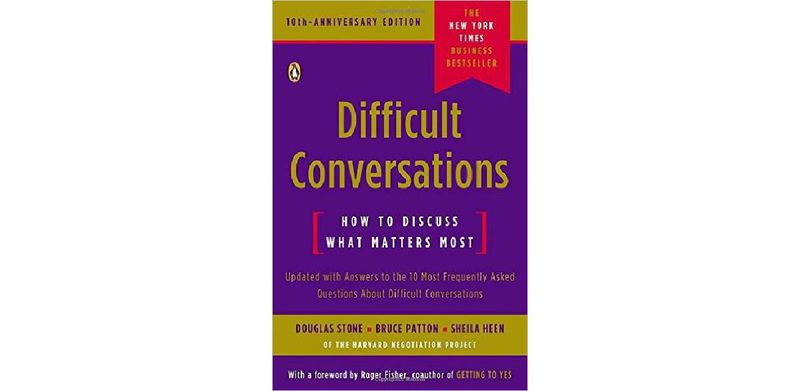
47. Difficult Conversations: How to Discuss What Matters Most
by Douglas Stone, Bruce Patton, Sheila Heen
Recommended by 2 leaders: Bogdan Lucaciu and Gabriel Weinberg
Three members of the Harvard Negotiation Project give a general method for hard talks, dealing with an underperforming employee among them: how to open without defensiveness, listen for what goes unsaid and stay balanced. Gabriel Weinberg keeps returning to it.
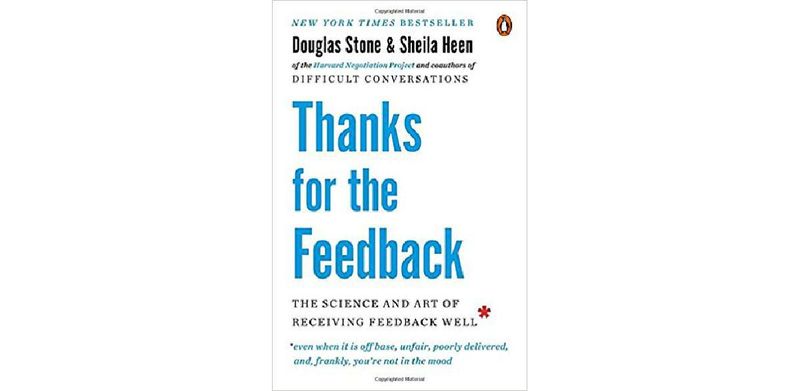
48. Thanks for the Feedback: The Science and Art of Receiving Feedback Well
Recommended by 3 leaders: Andra Zaharia, Chris Benko and Alan Echtenkamp
Douglas Stone and Sheila Heen focus on the person receiving feedback rather than the one giving it, a skill they apply to bosses and colleagues as well as family. Alan Echtenkamp suggests it for anyone facing a performance appraisal, which makes it useful on both sides of the review.
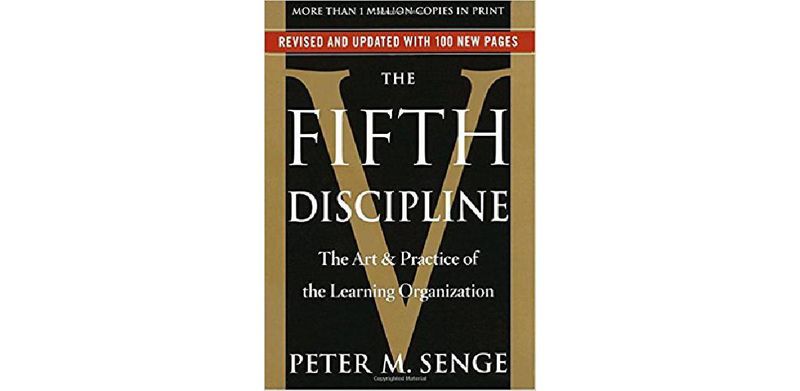
49. The Fifth Discipline: The Art & Practice of The Learning Organization
Recommended by 2 leaders: Josh Brewer and Jana Eggers
Peter M. Senge’s case for the learning organization is about whole companies, resting on systems thinking, personal mastery, mental models, team learning and shared vision, and it gives managers a frame for helping teams learn faster. Josh Brewer recommends it from his years running startups.
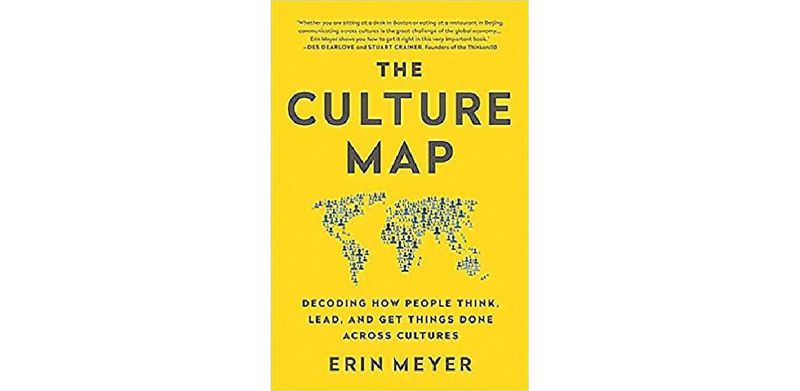
50. The Culture Map
by Erin Meyer
Recommended by 1 leader: Paulo Rosado
Erin Meyer’s model for reading colleagues from other countries covers international business broadly, yet much of it concerns managing across cultures, from how criticism is delivered to how hierarchical a workplace feels. Paulo Rosado found it useful for his multinational team at OutSystems.