Best Books on Learning How to Learn: 32 CEO Picks
The Talent Code by Daniel Coyle leads this list, tracing skill to deep practice, ignition and master coaching. Moonwalking with Einstein by Joshua Foer follows his year of memory training and the old techniques behind it, and The Art of Learning by Josh Waitzkin, a chess and Tai Chi Chuan champion, argues that his real skill was learning itself.
The list is for founders and professionals who keep having to master new fields. Its core books cover the science of study from cognitive psychologists and science writers, deliberate practice from Anders Ericsson and Geoff Colvin, fast self-education from Scott H. Young and Tim Ferriss, reading for understanding from Mortimer J. Adler, and Barbara Oakley on learning math and on changing careers.
Related books follow under Also worth reading: Carol S. Dweck on mindset, Robert Greene on mastery, Cal Newport on building valuable skills, collections of mental models, Peter M. Senge on learning organizations, note-taking and mind mapping systems, a guide for trainers, critiques of schooling, and Salman Khan on what AI could do for education.
We ranked these 32 books by how many of the 1,088 founders, CEOs and leaders on The CEO Library recommend them: first the 14 books mainly about learning how to learn, then 18 related books under Also worth reading.
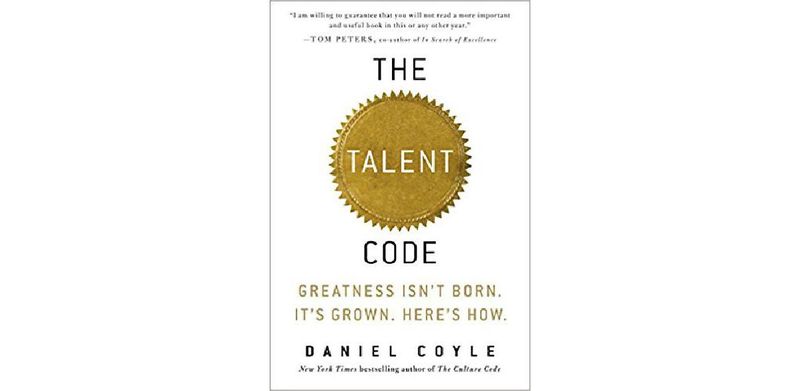
1. The Talent Code: Greatness Isn’t Born. It’s Grown. Here’s How.
by Daniel Coyle
Recommended by 6 leaders, including Rupert Murdoch, Peter Attia and Bill Liao
Daniel Coyle reported from nine talent hotbeds, from a music academy in upstate New York to Caribbean baseball fields, and pairs that with neurology to name three drivers of skill: deep practice, ignition and master coaching. Jason Fried recommends it highly for its insights.
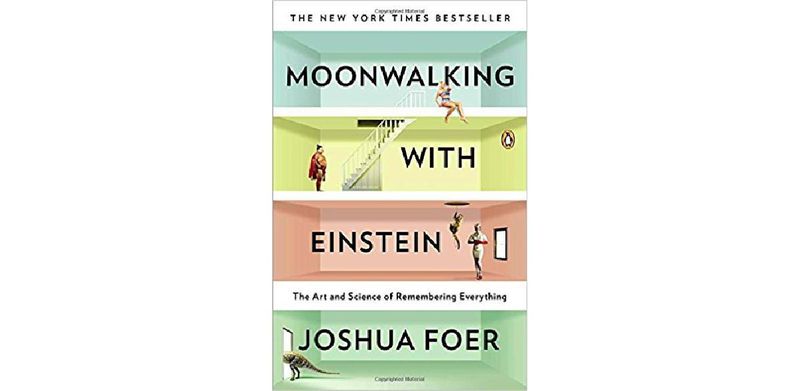
2. Moonwalking with Einstein: The Art and Science of Remembering Everything
by Joshua Foer
Recommended by 4 leaders, including Bill Gates, Jay Shetty and Mikhail Dubov
Joshua Foer set out to report on memory champions and ended up training for a year with a coach, explaining how memories form and techniques from the memory palace to systems for memorizing cards and numbers. Jay Shetty says it lays out the methods memory pros rely on.
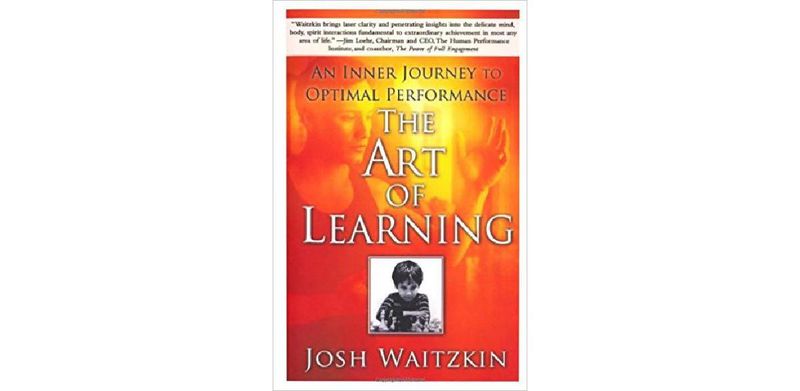
3. The Art of Learning: An Inner Journey to Optimal Performance
Recommended by 4 leaders, including Bryan Callen, Joan Boixados and Chris Oliver
Chess prodigy turned Tai Chi Chuan world champion Josh Waitzkin argues that his real skill is learning itself, and uses matches and bouts to show how to trigger intuitive leaps, refine technique and turn defeats into progress. Chris Oliver calls learning well a crucial skill for programmers and founders.
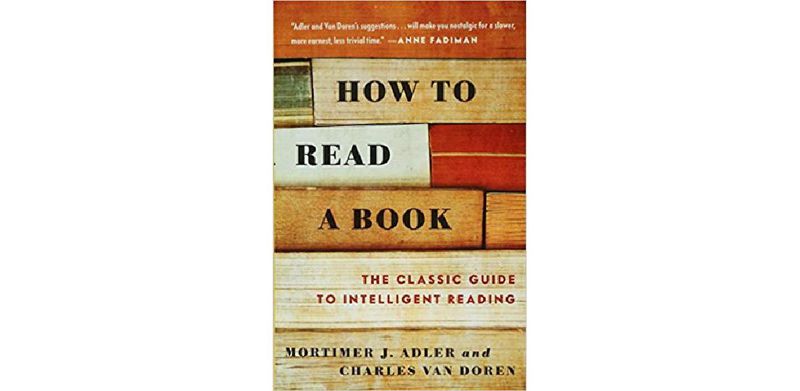
4. How to Read a Book: The Classic Guide to Intelligent Reading
by Mortimer J. Adler, Charles Van Doren
Recommended by 3 leaders: Sergey Brin, Ben Chestnut and Daylon Soh
Mortimer J. Adler, with Charles Van Doren, treats reading for understanding as a learnable skill, climbing from basic and inspectional reading to analytical reading, where a reader maps a book’s structure and arguments before judging it. Ben Chestnut passes its tips on to his young children.

5. Ultralearning: Master Hard Skills, Outsmart the Competition, and Accelerate Your Career
Recommended by 5 leaders, including Cal Newport, Barbara Oakley and Chris Guillebeau
Scott H. Young, who learned four languages and covered MIT’s four-year computer science curriculum in a year, lays out ultralearning, a structured and intense way to teach oneself hard skills, with stories of other ultralearners. Barbara Oakley ranks it above every other book on learning she has read.

6. Bounce: Mozart, Federer, Picasso, Beckham, and the Science of Success
by Matthew Syed
Recommended by 2 leaders: James Altucher and Melody Hossaini
Matthew Syed, a former table tennis champion, weighs talent against practice to explain how champions are made, from figure skaters who fell most often to one street in Reading that produced a crowd of top table tennis players. Melody Hossaini found its sports examples convincing on how expertise is built.
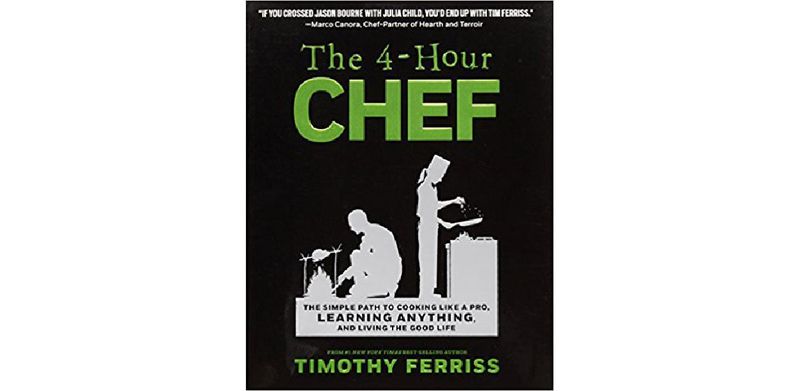
7. The 4-Hour Chef: The Simple Path to Cooking Like a Pro, Learning Anything, and Living the Good Life
by Tim Ferriss
Recommended by 2 leaders: Cristina Riesen and Marin Gerov
A lifelong non-cook, Tim Ferriss uses cooking to teach meta-learning, a stepwise method for learning any skill quickly, opening with a section on learning how to learn before moving through kitchen basics, foraging and food science. Marin Gerov recommends it.

8. Mindshift: Break Through Obstacles to Learning and Discover Your Hidden Potential
Recommended by 3 leaders: Adam Grant, Seth Godin and Daniel Pink
Barbara Oakley uses neuroscience to show that people of any age can uncover hidden talents, with profiles of career changers who turned weaknesses such as a poor memory into strengths. Daniel Pink recommends it to anyone seeking a reboot or reinvention.
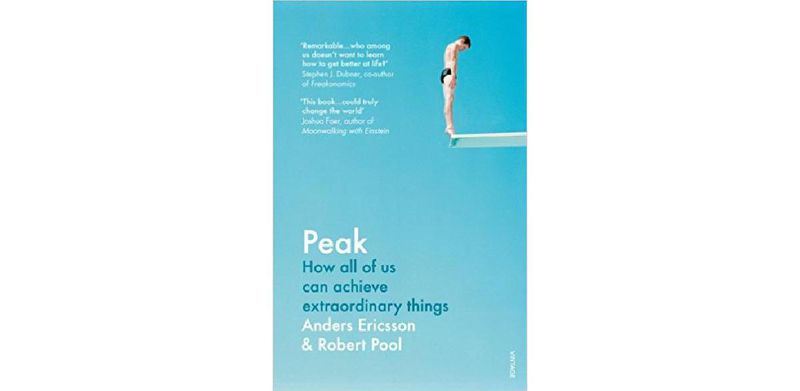
9. Peak: Secrets from the New Science of Expertise
by Anders Ericsson, Robert Pool
Recommended by 2 leaders: Seth Godin and Sergey Sapelnyk
Anders Ericsson and Robert Pool distill three decades of research on athletes, memory experts, chess players and violinists into deliberate practice, a method built on the mental representations experts learn, and play down IQ and innate gifts. Sergey Sapelnyk says it shows people can get much better at almost anything.
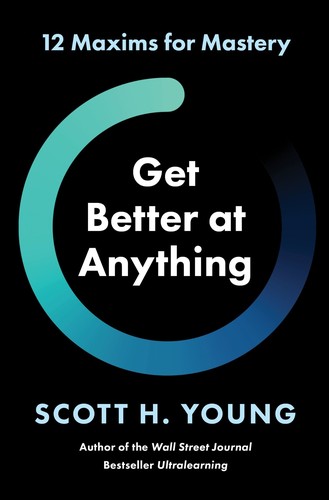
10. Get Better at Anything: 12 Maxims for Mastery
by Scott Young
Recommended by 1 leader: Cal Newport
Scott Young explains why some skills come easily while others stall even after decades, and argues that improvement rests on three things: learning from others, the right kind of practice and constant feedback. Cal Newport calls it an approachable guide to getting better at what matters.
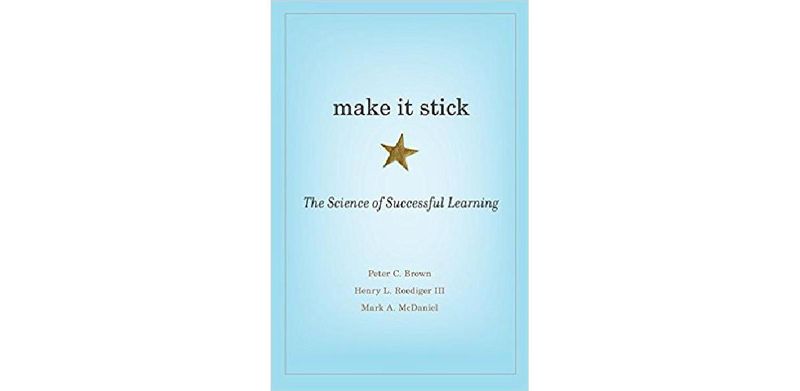
11. Make It Stick: The Science of Successful Learning
by Peter C. Brown, Henry L. Roediger III, Mark A. McDaniel
Recommended by 1 leader: Barbara Oakley
Peter C. Brown and his coauthors, Mark A. McDaniel and Henry L. Roediger III, show from cognitive psychology that rereading, highlighting and cramming give a false sense of mastery, while self-testing, spaced review and mixed practice make learning last. Barbara Oakley counts it among the best books on the subject.
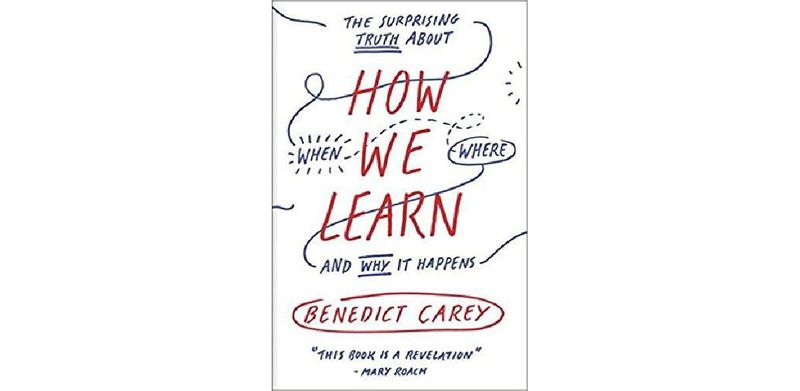
12. How We Learn: The Surprising Truth About When, Where, and Why It Happens
Recommended by 1 leader: Vladimir Oane
Science reporter Benedict Carey reviews decades of research to argue that forgetting, sleep and daydreaming aid learning, and tests counterintuitive techniques such as interleaving subjects and abandoning the single quiet study spot. Vladimir Oane says it shows that common ideas about learning rest on superstition more than science.
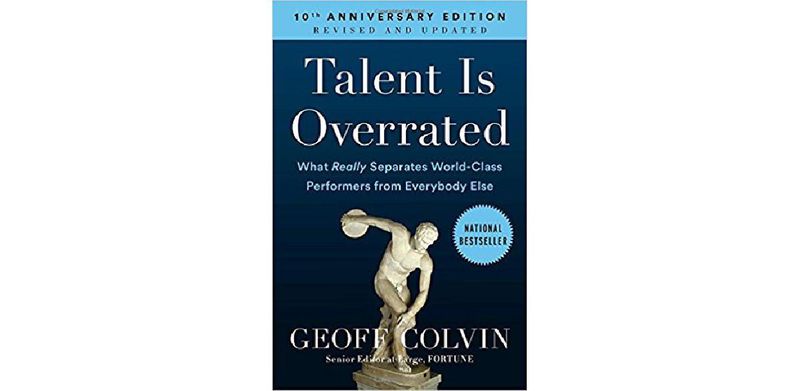
13. Talent is Overrated: What Really Separates World-Class Performers from Everybody Else
by Geoff Colvin
Recommended by 1 leader: Chelsea Frank
Fortune editor Geoff Colvin argues that top performers in golf, politics, investing and business owe their results neither to talent nor to plain hard work, but to a specific kind of practice sustained over decades, and to how they review progress and learn from mistakes. Chelsea Frank recommends it.
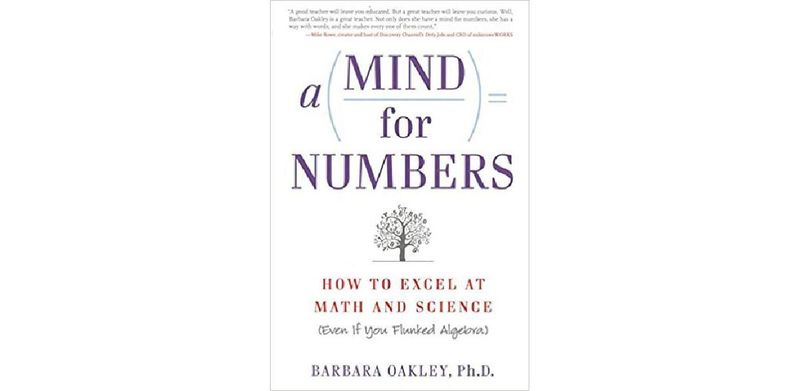
14. A Mind for Numbers: How to Excel at Math and Science
Recommended by 1 leader: Mike Rowe
Barbara Oakley, who failed high school math and science and later became an engineering professor, explains how to retrain the brain for technical subjects, arguing that stepping away from a problem lets a more relaxed mode of thinking work. Mike Rowe praises her as a teacher who leaves people curious.
Also worth reading
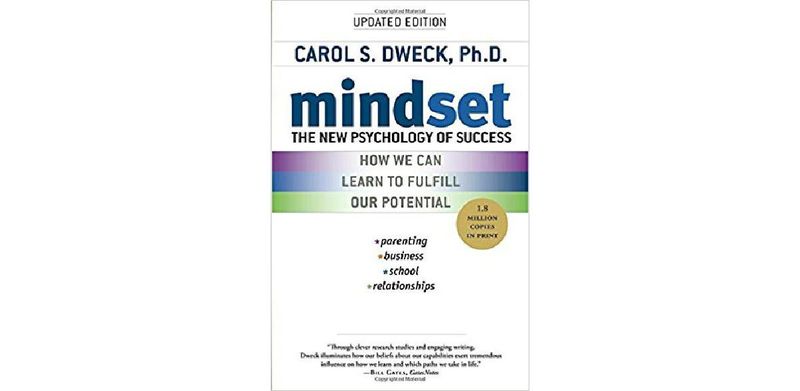
15. Mindset: The New Psychology of Success
Recommended by 19 leaders, including Bill Gates, Peter Attia and Tony Robbins
Carol S. Dweck’s study of fixed and growth mindsets is mainly about beliefs about ability, but it bears directly on learning, showing why praising intelligence can backfire and how a workshop shifts students toward growth. Julia Enthoven says believing any skill can be built with practice helped her embrace challenges.
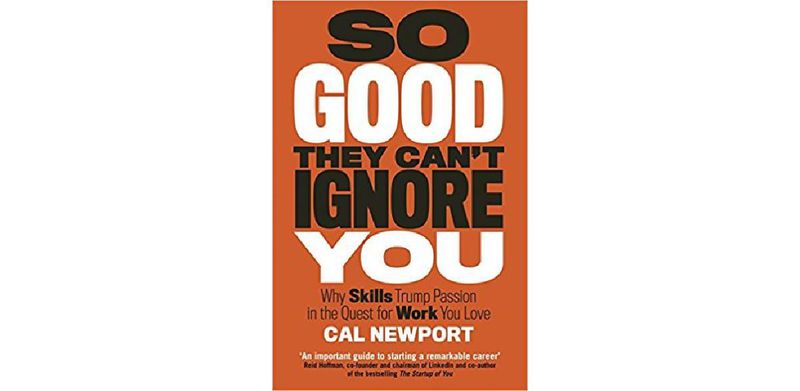
16. So Good They Can’t Ignore You
by Cal Newport
Recommended by 9 leaders, including Reid Hoffman, Seth Godin and Daniel Pink
Cal Newport’s book is mainly career advice against following a passion, but its case rests on building valuable skills first, learned from people who take deep satisfaction in jobs from screenwriting to programming. Reid Hoffman praises its research-based advice on investing in oneself to stand out.
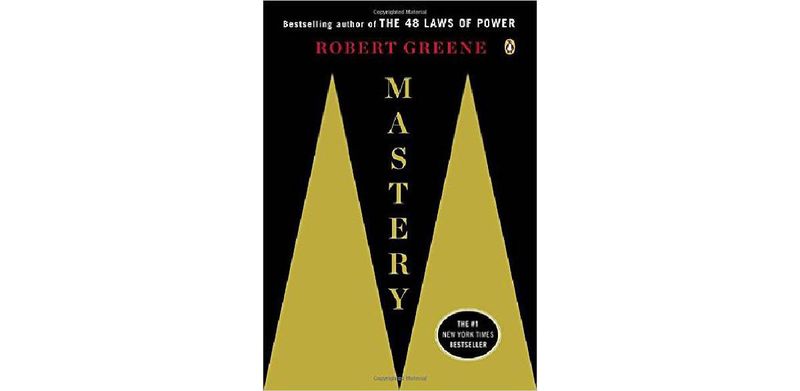
17. Mastery
Recommended by 6 leaders, including Andrew Huberman, Ryan Holiday and James Altucher
Robert Greene studies how historical and living masters reached the top of their fields, mainly a guide to a life’s work with a demanding apprenticeship at the heart of the path. Chris Oliver found its study of exceptionally talented people reassuring.
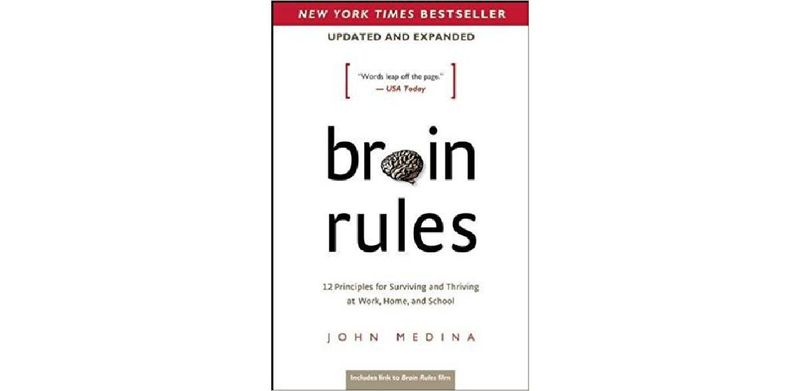
18. Brain Rules: 12 Principles of Surviving and Thriving at Work, Home and School
by John Medina
Recommended by 2 leaders: Tudor Teodorescu and Dmitry Dragilev
Developmental molecular biologist John Medina states twelve rules about how the brain works, citing only replicated research, with chapters on sleep, stress, exercise, attention and short and long term memory that bear directly on learning. Dmitry Dragilev recommends it as a primer on the brain.
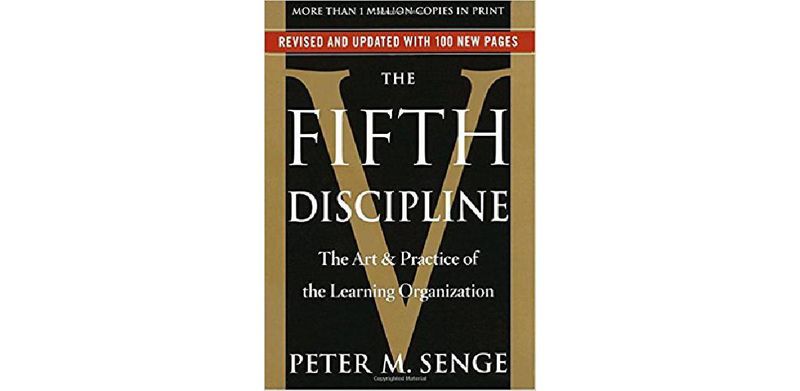
19. The Fifth Discipline: The Art & Practice of The Learning Organization
Recommended by 2 leaders: Josh Brewer and Jana Eggers
Peter M. Senge applies learning to whole companies, setting out five disciplines for a learning organization, with systems thinking at the center alongside personal mastery, mental models, team learning and shared vision. Josh Brewer has found that the best companies are the ones most oriented toward learning.
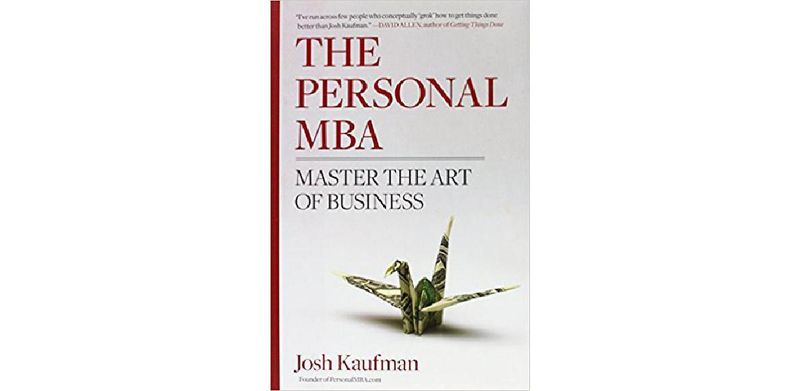
20. The Personal MBA: Master the Art of Business
by Josh Kaufman
Recommended by 2 leaders: Ola Olusoga and Brian Burkhart
Josh Kaufman’s alternative to business school is a plan for teaching oneself business, gathering the core ideas of marketing, sales, negotiation, operations and productivity into simple mental models. Brian Burkhart praises its short, digestible lessons from finance to organizational development.
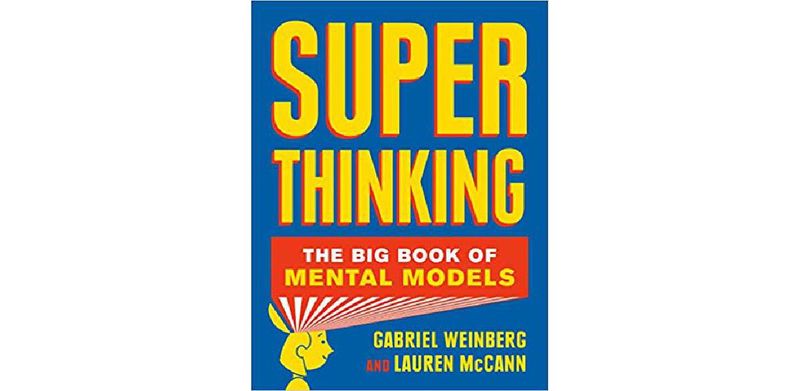
21. Super Thinking: The Big Book of Mental Models
by Gabriel Weinberg, Lauren McCann
Recommended by 3 leaders: Brian Armstrong, Annie Duke and Shane Parrish
Gabriel Weinberg and Lauren McCann collect mental models from psychology, physics, economics and other fields, such as the Eisenhower matrix, the 5 Whys and Hanlon’s Razor, a toolkit for thinking more than a study method. Shane Parrish calls it an intellectual playground for the brain.
22. Brave New Words
by Salman Khan
Recommended by 1 leader: Bill Gates
Khan Academy founder Salman Khan argues that AI will change how people learn, describing tutoring fitted to each student’s pace and style, with road maps for teachers, parents and students. Bill Gates finds his case that AI will change the classroom convincing.
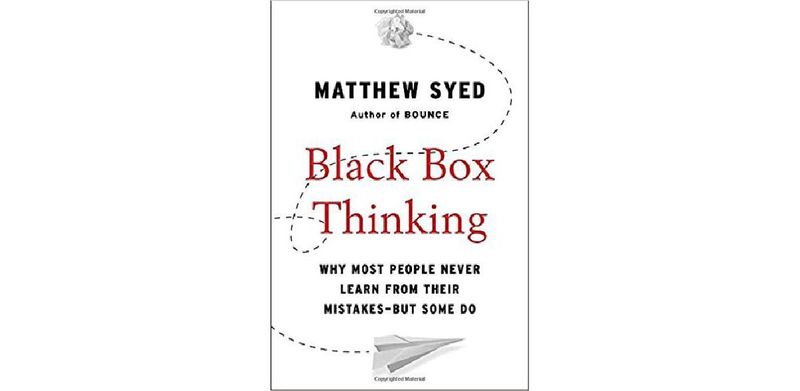
23. Black Box Thinking: Why Most People Never Learn from Their Mistakes–But Some Do
by Matthew Syed
Recommended by 1 leader: Richard Branson
Matthew Syed contrasts aviation, which studies every mishap, with health care, where mistakes often stay hidden, to argue that any field improves only when people admit failure and learn from it. Richard Branson says it shows that people learn by trying things and adjusting to the results.
24. The Practicing Mind
Recommended by 1 leader: James Clear
Thomas M. Sterner treats practice as inseparable from learning, and argues that the act of practicing, done with focus and mental discipline, can be rewarding in itself. James Clear recommends it for its plain route to mastery.
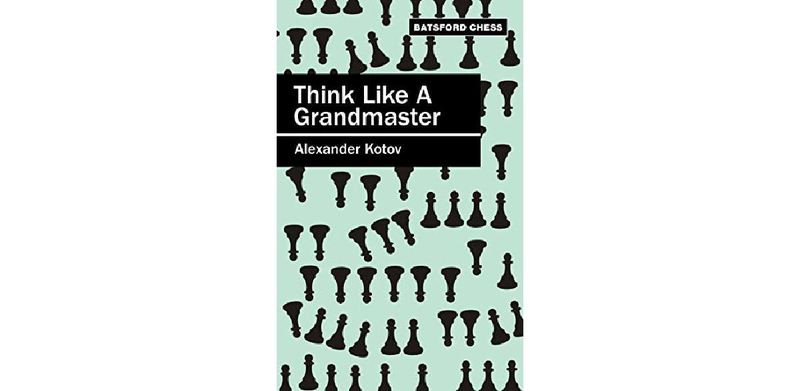
25. Think Like a Grandmaster
Recommended by 1 leader: Tyler Cowen
Alexander Kotov’s chess manual sets out how a grandmaster analyzes a position, builds a tree of analysis and chooses candidate moves, a training method for one game. Tyler Cowen says it taught him that people learn mostly by working on actual problems, not from reading alone.

26. Weapons of Mass Instruction: A Schoolteacher’s Journey Through the Dark World of Compulsory Schooling
Recommended by 1 leader: Seth Godin
John Taylor Gatto, a public school teacher for thirty years, argues that compulsory schooling trains children to see learning as rote memorization, and proposes what he calls open source learning instead. Seth Godin keeps recommending it to parents.
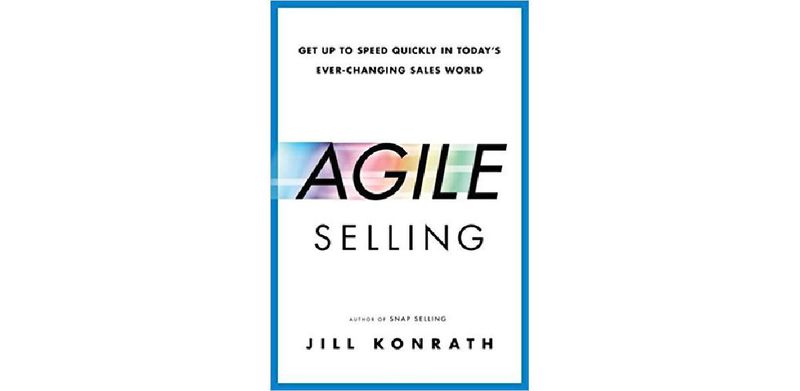
27. Agile Selling: Get Up to Speed Quickly in Today’s Ever-Changing Sales World
by Jill Konrath
Recommended by 2 leaders: Brian Halligan and Genevieve Bos
Jill Konrath writes for salespeople who must learn fast after a promotion, a new job or a changed market, with a plan for absorbing information and mastering skills quickly through mindsets, learning strategies and habits. Genevieve Bos says it shows how to become an overnight expert for clients.
28. How to Take Smart Notes
by Sönke Ahrens
Recommended by 1 leader: Ali Abdaal
Sönke Ahrens explains the slip-box that sociologist Niklas Luhmann used for his notes, mainly a system for writing and research, and draws on psychology to show why organizing ideas this way helps students and academics. Ali Abdaal says it transformed how he takes notes.
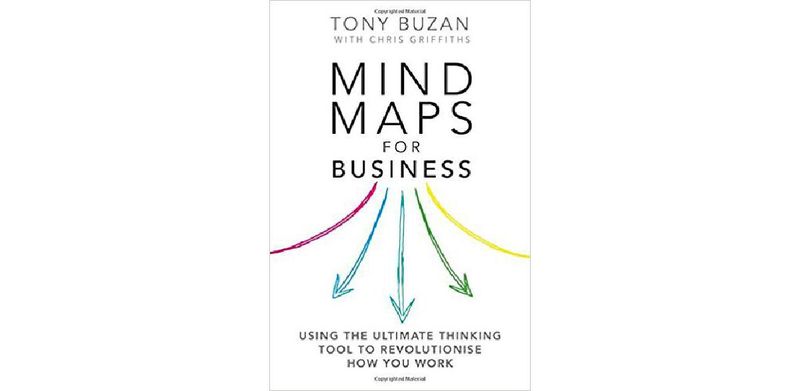
29. Mind Maps for Business
by Tony Buzan, Chris Griffiths
Recommended by 1 leader: David Sisk
Tony Buzan, inventor of the Mind Map, and his coauthor Chris Griffiths put the technique to work on meetings, negotiations, marketing plans and strategy documents, a tool for organizing thinking at work. David Sisk recommends it to visual thinkers planning business work.
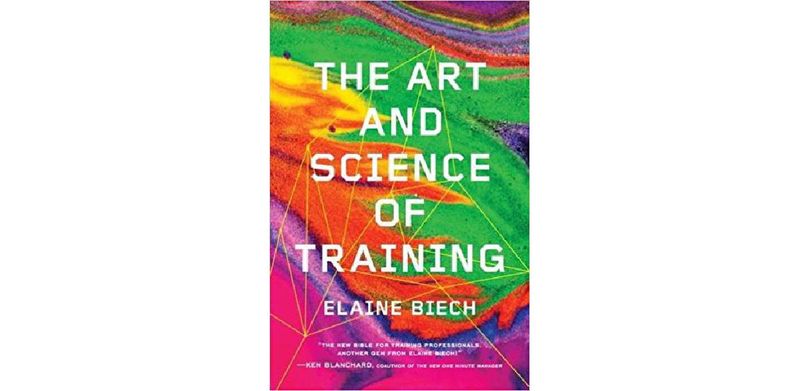
30. The Art and Science of Training
by Elaine Biech
Recommended by 1 leader: Armina Sirbu
Elaine Biech writes for trainers, laying out the science of learning and development and how skilled facilitators keep learners first when a session goes off plan. Armina Sirbu advises anyone drawn to training and learning design to read it before starting.
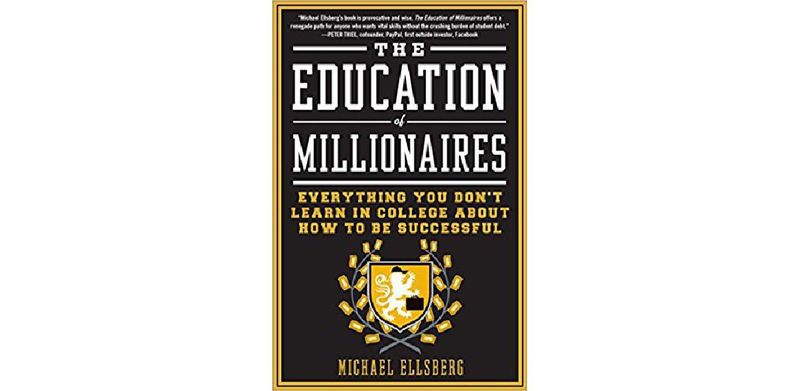
31. The Education of Millionaires: Everything You Won’t Learn in College About How to Be Successful
Recommended by 1 leader: Marin Gerov
Michael Ellsberg interviewed millionaires and billionaires without degrees and concludes that the skills behind success are mostly picked up outside school, from finding mentors to building a network. Marin Gerov says it started his interest in nonfiction about productivity.
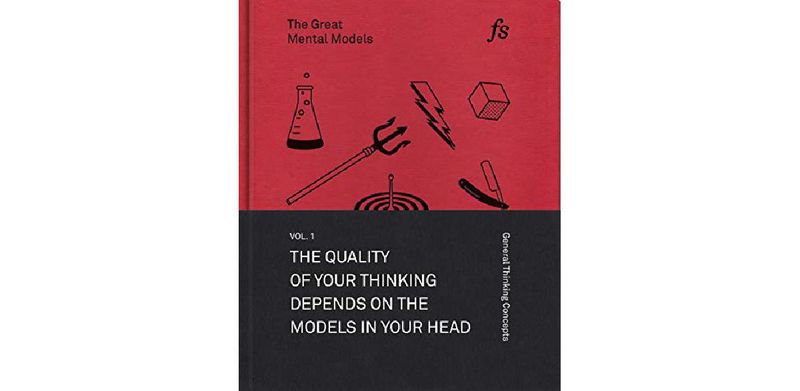
32. The Great Mental Models: General Thinking Concepts
by Shane Parrish, Rhiannon Beaubien
Recommended by 1 leader: Matt Mullenweg
Shane Parrish and Rhiannon Beaubien set out nine general-purpose mental models for better decisions and productivity, mainly a thinking toolkit rather than a study method. Matt Mullenweg expects to recommend it often.