Best Negotiation Books: 26 Picks Recommended by CEOs
Getting to Yes by Roger Fisher and William Ury, Never Split the Difference by Chris Voss and The Strategy of Conflict by Thomas C. Schelling are the negotiation books that founders and CEOs on The CEO Library recommend most. Fisher and Ury replace haggling over positions with principled negotiation, Voss turns his years as the FBI’s lead kidnapping negotiator into principles for everyday deals, and Schelling uses game theory to explain bargaining and threats between states.
My own interest in negotiation books began when a few deals fell through. I was convinced that better technique would have saved some of them, and I still cannot say whether it would have or whether I simply lacked experience. What reading about negotiation did change is my confidence, in meetings with clients and in hard conversations with my team.
The core also covers negotiating systems such as Start with No, Secrets of Power Negotiating and The Bartering Mindset. The related tier gathers books on conflict and hard conversations, among them Difficult Conversations and Nonviolent Communication, and the persuasion books recommended most often, such as How to Win Friends and Influence People and Influence, which deal with disagreement or winning people over rather than with negotiating itself. The list is for founders, salespeople and managers who negotiate more often than they think.
We ranked these 26 books by how many of the 1,088 founders, CEOs and leaders on The CEO Library recommend them: first the 6 books mainly about negotiation, then 20 related books under Also worth reading.
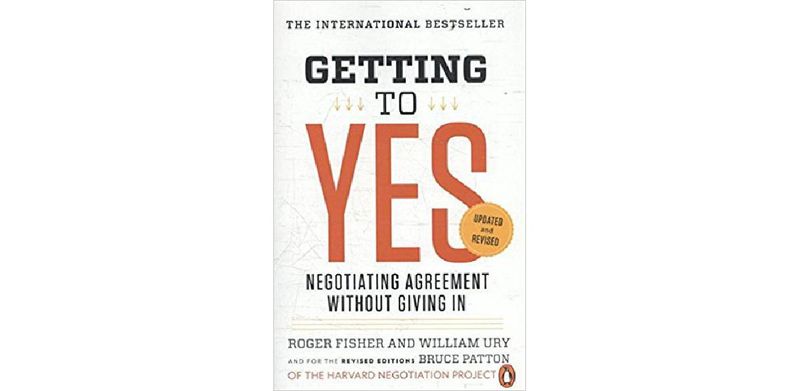
1. Getting to Yes: Negotiating Agreement Without Giving In
Recommended by 6 leaders, including Charlie Munger, Michael Herrmann and Alan Pierce
Roger Fisher and William Ury of the Harvard Negotiation Project replace haggling over positions with principled negotiation: focus on interests, separate the people from the problem, invent options for mutual gain and judge outcomes by objective criteria. They also cover stronger opponents and dirty tricks.
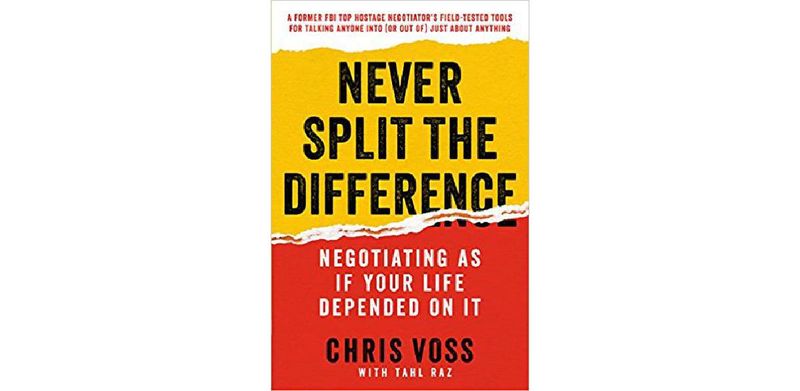
2. Never Split the Difference: Negotiating As If Your Life Depended On It
by Chris Voss, Tahl Raz
Recommended by 7 leaders, including David Heinemeier Hansson, Adam Grant and Daniel Pink
Chris Voss, the FBI’s former lead international kidnapping negotiator, turns cases from a Brooklyn bank robbery to gang violence in Haiti into nine principles that put emotional intelligence at the center of bargaining. Adam Grant praised its advice as useful for everyday conflicts as well as high-stakes deals.
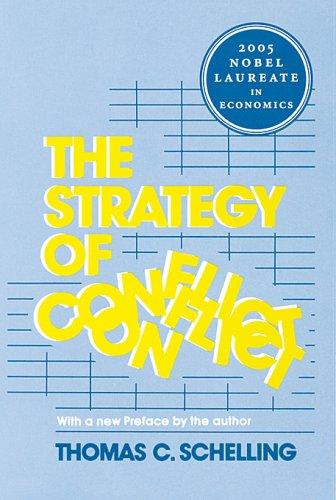
3. The Strategy of Conflict
Recommended by 1 leader: Steven Pinker
Thomas C. Schelling applies game theory to threats, deterrence and bargaining between states. Steven Pinker, who named it among his most important books, said it explains why it can pay to act like an irrational hothead.
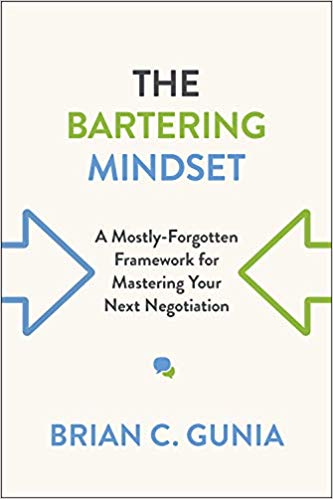
4. The Bartering Mindset: A Mostly Forgotten Framework for Mastering Your Next Negotiation
by Brian Gunia
Recommended by 1 leader: Adam Grant
Brian Gunia argues that money makes people think narrowly at the bargaining table, and he borrows the more strategic habits of old barter economies, where goods were swapped directly, to improve modern negotiations over money. Adam Grant called his bargaining insights both novel and useful.
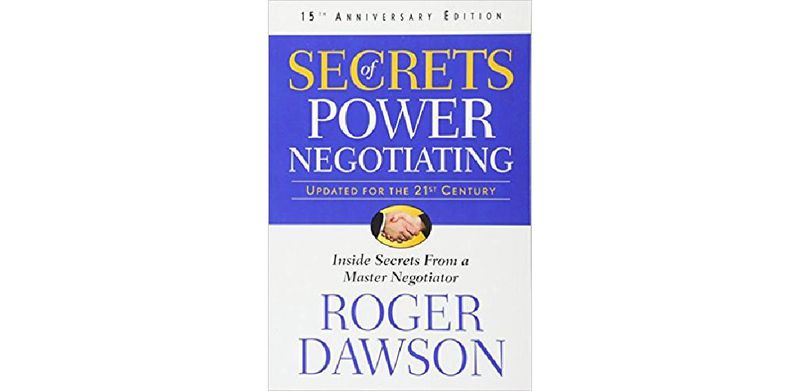
5. Secrets of Power Negotiating: Inside Secrets from a Master Negotiator
by Roger Dawson
Recommended by 1 leader: Javed Khatri
Roger Dawson rejects naive win-win thinking for Power Negotiating, which secures the deal a negotiator wants yet lets the other party believe it came out ahead, covering opening and final moves, pressure points and unethical tactics. Javed Khatri credits it with helping him close many deals.
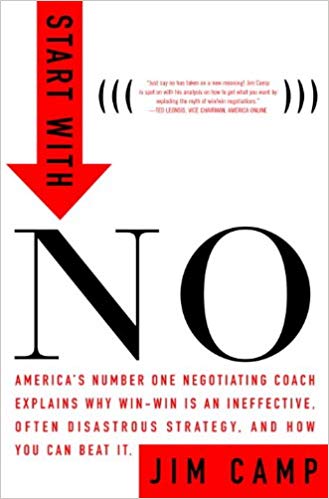
6. Start with No: The Negotiating Tools that the Pros Don’t Want You to Know
by Jim Camp
Recommended by 1 leader: Joe Mansueto
Jim Camp treats win-win bargaining as a trap that pushes negotiators into early compromise and offers a decision-based system instead: prefer no to yes, never rush to close or appear needy, set an agenda for each contact and deal only with real decision makers.
Also worth reading
7. How to Win Friends and Influence People
Recommended by 44 leaders, including James Clear, Ramit Sethi and Ronn Torossian
Dale Carnegie’s rules, drawn from his New York courses on human relations, show how to win others over to a point of view and correct people without stirring resentment. Sanja Zepan used its advice on negotiating and defusing conflict to turn angry users into supporters.
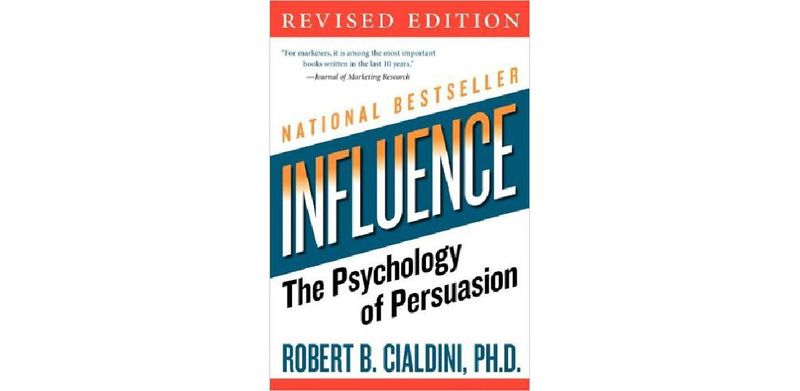
8. Influence: The Psychology of Persuasion
Recommended by 23 leaders, including Charlie Munger, Naval Ravikant and David Heinemeier Hansson
Robert B. Cialdini went undercover among car dealers and other compliance professionals to explain how reciprocation, commitment, social proof, liking, authority and scarcity get people to say yes, and how to resist those tactics. Charlie Munger said no other scientist shaped his thinking on the subject more.
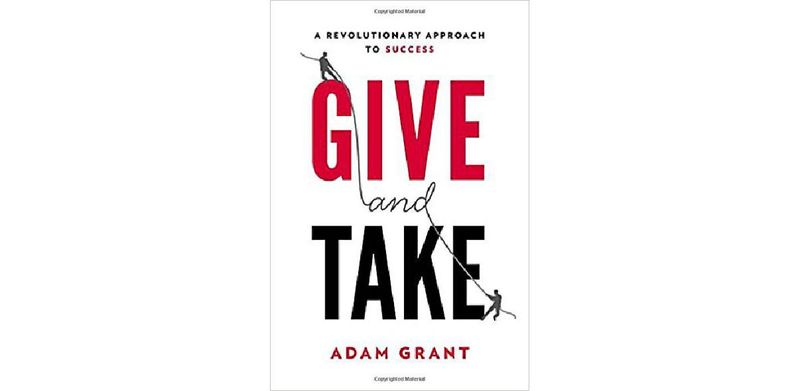
9. Give and Take: Why Helping Others Drives Our Success
by Adam Grant
Recommended by 5 leaders, including Simon Sinek, Marvin Liao and Darrah Brustein
Adam Grant sorts people into givers, takers and matchers and uses his research to show how each style fares in negotiation, influence and networking, including why some givers get exploited while others reach exceptional results.
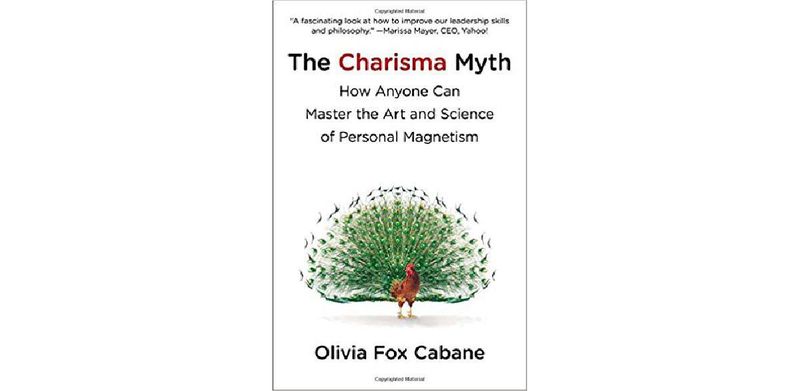
10. The Charisma Myth: How Anyone Can Master the Art and Science of Personal Magnetism
Recommended by 4 leaders, including Marissa Mayer, Dr. Monali Y. Desai and Nicky Cullen
Olivia Fox Cabane argues that charisma is learned rather than inborn, splitting it into presence, power and warmth, each with practices meant to make people more persuasive and influential with others. Dr. Monali Y. Desai rereads it yearly for its small lessons on communication.
11. Yes!: 50 Scientifically Proven Ways to Be Persuasive
by Noah J. Goldstein, Steve J. Martin, Robert B. Cialdini
Recommended by 3 leaders: Charlie Munger, Alex Hormozi and Gary Bury
Robert B. Cialdini and his co-authors Noah J. Goldstein and Steve J. Martin turn persuasion research into fifty short puzzles, such as a park sign about vandalism that increased wood theft and jam sales that jumped when shoppers saw fewer flavors. Alex Hormozi calls it underrated.
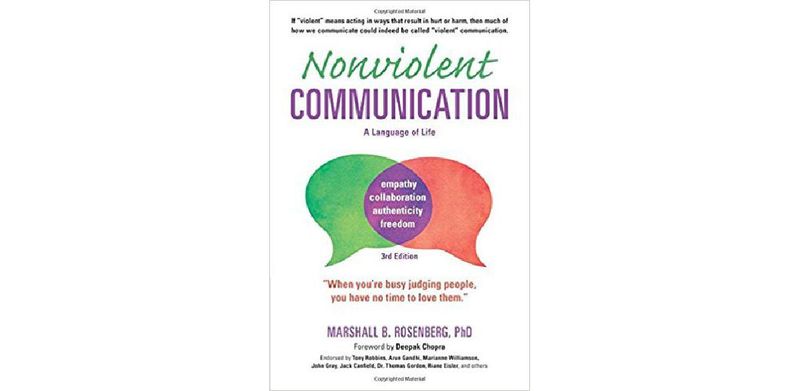
12. Nonviolent Communication
Recommended by 2 leaders: Satya Nadella and Thomas Graziani
Marshall B. Rosenberg’s method replaces judging and blaming with stating feelings and needs and listening with empathy, as a way to resolve disputes in families, workplaces and politics. Satya Nadella has recommended it, and Fast Company reported that he urged his new direct reports at Microsoft to read it.
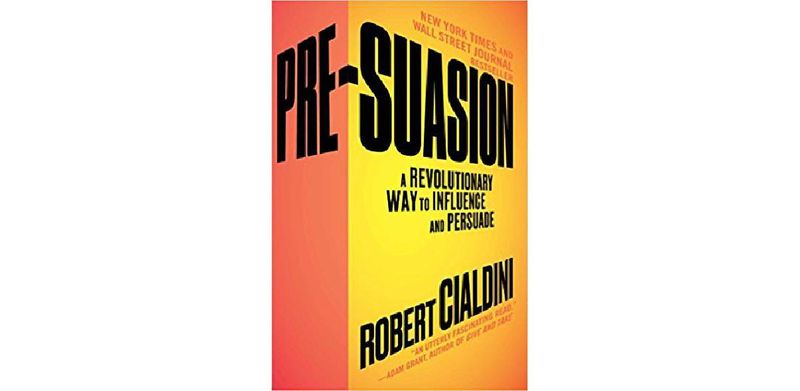
13. Pre-Suasion: A Revolutionary Way to Influence and Persuade
Recommended by 2 leaders: Naval Ravikant and Alex Hormozi
Robert B. Cialdini argues that persuasion depends on the moment before a request, when redirecting attention can make an audience receptive without changing its beliefs, with examples from advertising imagery to Berkshire Hathaway’s annual letters. Alex Hormozi has it on his list of books.
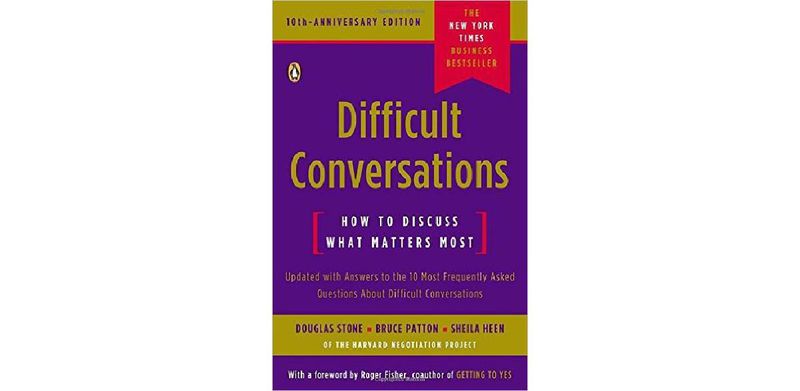
14. Difficult Conversations: How to Discuss What Matters Most
by Douglas Stone, Bruce Patton, Sheila Heen
Recommended by 2 leaders: Bogdan Lucaciu and Gabriel Weinberg
Harvard Negotiation Project authors Douglas Stone, Bruce Patton and Sheila Heen map the structure of hard talks with a client, spouse or weak employee, showing how to begin without provoking defensiveness and stay steady under attack. Bogdan Lucaciu says it moved him from arguing who is right to learning.
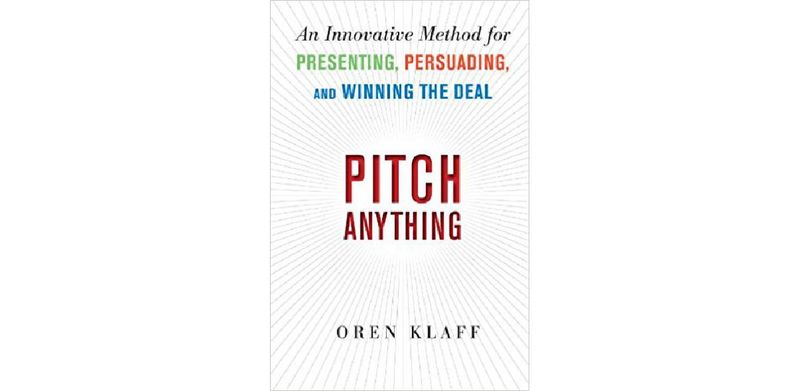
15. Pitch Anything: An Innovative Method for Presenting, Persuading, and Winning the Deal
by Oren Klaff
Recommended by 2 leaders: Michael Herrmann and Jeff Gibbard
Oren Klaff, whose method raised more than $400 million over 13 years, uses neuroeconomics to explain how a pitch lands and builds deals around his STRONG sequence of framing, story, intrigue, prize, hookpoint and decision. Jeff Gibbard credits its frame control lessons for gains in sales and team management.
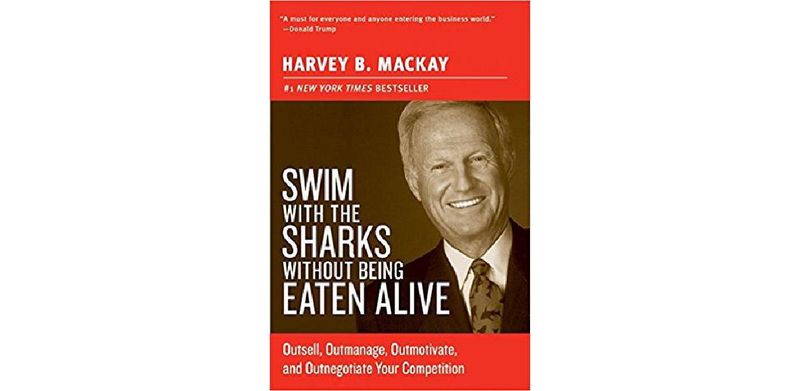
16. Swim with the Sharks Without Being Eaten Alive: Outsell, Outmanage, Outmotivate, and Outnegotiate Your Competition
Recommended by 2 leaders: Boban Dedovic and Thom Singer
Harvey Mackay’s handbook on selling, managing, motivating and outnegotiating rivals includes lessons on when to smile and say no, alongside the Mackay 66 system for gathering intelligence on prospects, customers and competitors. Thom Singer says it taught him to build relationships and sell.

17. 5 Types of People Who Can Ruin Your Life
by Bill Eddy
Recommended by 1 leader: Andrew Huberman
Bill Eddy, who works as a lawyer, therapist and mediator, applies conflict management grounded in empathy to five high-conflict personality types, showing how to recognize each one and handle or safely end those relationships at work and at home. Andrew Huberman recommends it to everyone.
18. Flip the Script: Getting People to Think Your Idea Is Their Idea
by Oren Klaff
Recommended by 2 leaders: Daymond John and Jonah Berger
Oren Klaff draws on high-stakes deals, including winning over a skeptical Swiss banker, to show how to lead a buyer step by step to a conclusion they reach alone and therefore trust. Jonah Berger praised the methods as intuitive and actionable at work and at home.
19. The Art of Fighting
by Priya Parker
Recommended by 1 leader: Adam Grant
Priya Parker, a conflict facilitator and author of The Art of Gathering, argues that strong groups thrive because their members disagree, and shows how to spot a dispute, work through it and cope when it stays unresolved. Adam Grant calls it a warm guide to arguing better.
20. Just Listen: Discover the Secret to Getting Through to Absolutely Anyone
Recommended by 1 leader: Bill Liao
Psychiatrist Mark Goulston holds that persuasion starts with getting the other person to listen at all, and gives techniques for making someone feel understood and for talking an angry or aggressive counterpart down from a reflex reaction toward calmer reasoning.
21. Thank You for Arguing: What Cicero, Shakespeare and the Simpsons Can Teach Us About the Art of Persuasion
Recommended by 1 leader: Angela Pham
Jay Heinrichs teaches classical rhetoric for everyday disputes, from Cicero’s three-step method for moving listeners to act and Lincoln’s habit of lowering expectations to modern dodges such as the Yoda Technique and the coded language politicians aim at specific groups.
22. The Art of Strategy: A Game Theorist’s Guide to Success in Business and Life
by Avinash K. Dixit, Barry J. Nalebuff
Recommended by 1 leader: Kimberly Gloria Choi
Avinash K. Dixit and Barry J. Nalebuff present game theory as the discipline of anticipating a rival’s next move while the rival does the same, drawing on sports, politics, poker and reality television to show its role in business and personal dealings.

23. The Art of Woo: Using Strategic Persuasion to Sell Your Ideas
by G. Richard Shell, Mario Moussa
Recommended by 1 leader: Winston Ma
G. Richard Shell and Mario Moussa, advisers to executives and to the FBI’s hostage rescue training program, teach a four-step, relationship-based process for selling ideas to doubtful bosses and colleagues, with self-assessments that reveal each reader’s natural persuasion role.
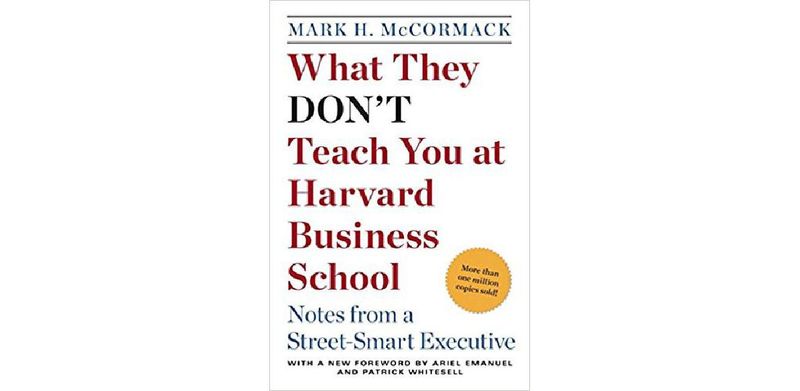
24. What They Don’t Teach You at Harvard Business School: Notes from a Street-smart Executive
Recommended by 1 leader: Christopher Lochhead
Mark H. McCormack, who built International Management Group from a handshake agreement with Arnold Palmer, covers the practical people sense business school leaves out, with chapters on negotiation, reading others and the hidden life of a deal.

25. Win Bigly: Persuasion in a World Where Facts Don’t Matter
by Scott Adams
Recommended by 1 leader: Aaron Watson
Scott Adams, creator of Dilbert, reads the 2016 election as a contest won by persuasion, arguing that people decide on emotion and supply reasons afterward, and catalogs tactics such as directionally accurate exaggeration and linguistic kill shots.
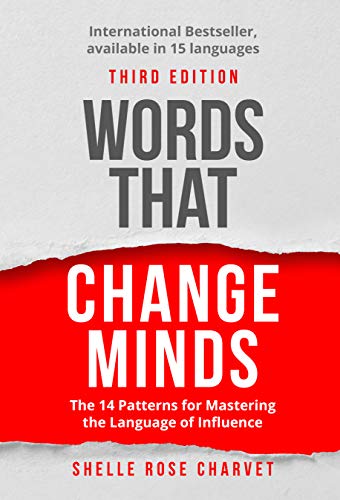
26. Words That Change Minds: The 14 Patterns for Mastering the Language of Influence
Recommended by 1 leader: Seth Godin
Shelle Rose Charvet offers 14 patterns of language resting on the idea that each person has unconscious habits for getting motivated and making decisions, so words that fit those habits persuade without manipulation, with clients and bosses as well as at home.