Best Books for Understanding Finance: 45 CEO Picks
Andrew Ross Sorkin’s 1929 ranks first, explaining the margin loans, bank chiefs and hesitant Federal Reserve behind the great crash. Tim Geithner’s Stress Test follows, an insider’s account of fighting the 2008 financial crisis from the New York Fed and the Treasury, and Security Analysis by Benjamin Graham and David Dodd is third, the Depression-era guide to valuing the business behind a security instead of chasing reported earnings.
The list is for founders, managers and anyone starting a finance career who want to know how money, banks and markets actually work. The core books cover the history of money and credit from Niall Ferguson, David Graeber and Mervyn King; central banking and the 2008 crisis from Ben Bernanke, Sheila Bair and Raghuram Rajan; deals and investment firms, from the RJR Nabisco buyout to Blackstone and the Yale endowment; Michael Lewis on the mortgage bonds behind 2008; and the mathematics of derivatives and financial models.
The related tier holds books mainly about something else that still teach finance: venture capital guides for founders, The Intelligent Investor, Warren Buffett’s letters, Wall Street memoirs from Michael Lewis, Robert Rubin and Lloyd Blankfein, histories of speculative manias, an accounting primer and two books on bitcoin.
We ranked these 45 books by how many of the 1,088 founders, CEOs and leaders on The CEO Library recommend them: first the 27 books mainly about finance, then 18 related books under Also worth reading.
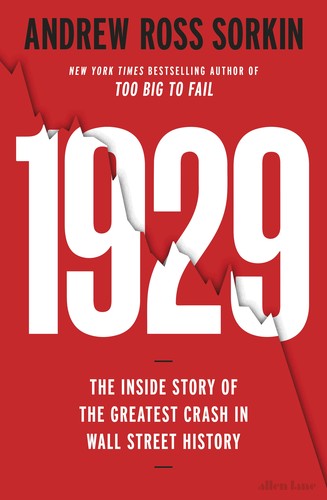
1. 1929
Recommended by 4 leaders, including Barack Obama, Bill Ackman and Howard Marks
Andrew Ross Sorkin’s account of the 1929 crash shows credit, banks and regulators at work: margin loans fed buying, stock pools inflated prices, and the Federal Reserve hesitated to tighten. Howard Marks calls it the best investing book he has read in years.
2. Stress Test: Reflections on Financial Crises
by Tim Geithner
Recommended by 2 leaders: Bill Gates and Warren Buffett
Tim Geithner explains the 2008 crisis from inside the New York Fed and the Treasury, from the Bear Stearns rescue and the Lehman weekend to the AIG bailout. Bill Gates was surprised how well it reads, given Geithner’s reputation as a poor communicator.
3. Security Analysis
by Benjamin Graham, David Dodd
Recommended by 2 leaders: Warren Buffett and Mohnish Pabrai
Mainly an investing text, Benjamin Graham and David Dodd’s Depression-era guide teaches valuing the company that stands behind a stock or bond, separating investment from speculation and demanding a margin of safety. Mohnish Pabrai advises digesting the 1934 edition slowly.
4. The Big Short: Inside the Doomsday Machine
Recommended by 2 leaders: Sheryl Sandberg and Fabrice Grinda
Michael Lewis shows that the 2008 collapse began in bond and mortgage derivative markets, explaining how securities built on doubtful home loans worked through the few investors who saw the flaw and bet against it. Sheryl Sandberg admires his gift for boiling down complicated subjects.
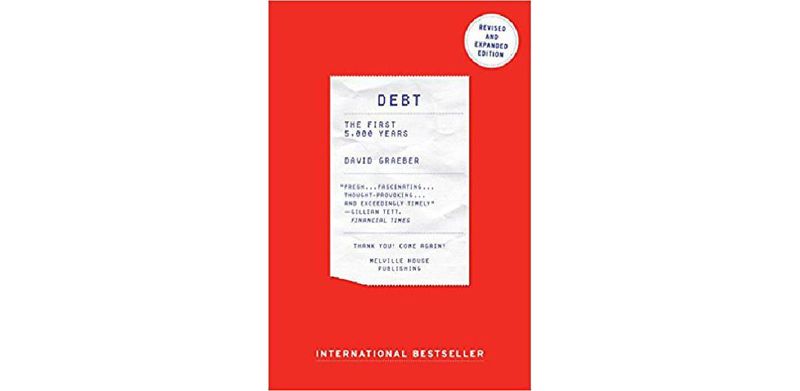
5. Debt: The first 5,000 Years
Recommended by 2 leaders: David Heinemeier Hansson and Seth Godin
Anthropologist David Graeber argues that credit came before money and barter after both, tracing debt systems from ancient Sumer and its periodic debt cancellations to the rise of coinage. David Heinemeier Hansson says it shoots down the idea that people bartered before money.
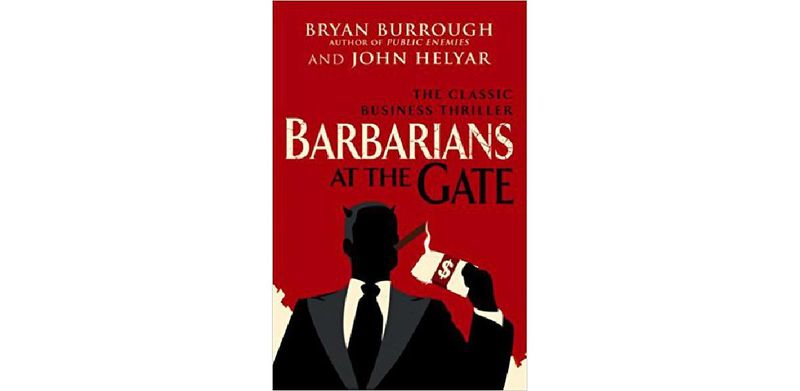
6. Barbarians at the Gate: The Fall of RJR Nabisco
by Bryan Burrough, John Helyar
Recommended by 2 leaders: Bill Liao and Bogdan Iordache
Bryan Burrough and John Helyar reconstruct the 1988 bidding war for RJR Nabisco, showing how a leveraged buyout of that size is financed and fought between management, Kohlberg Kravis Roberts and rival bankers. Bill Liao has it on his reading list.
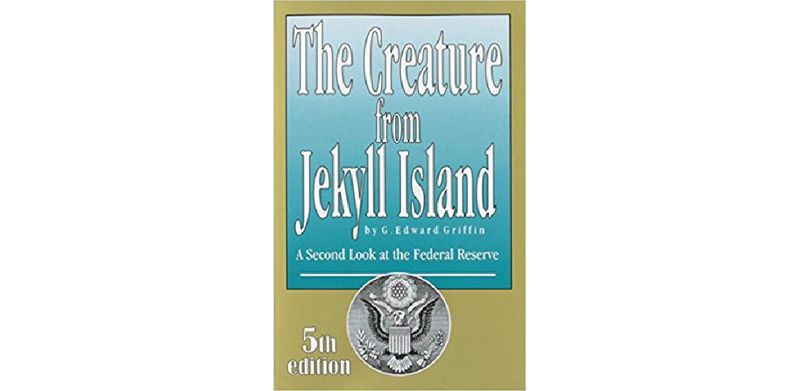
7. The Creature from Jekyll Island: A Second Look at the Federal Reserve
Recommended by 2 leaders: Robert Kiyosaki and Marvin Liao
G. Edward Griffin’s polemical history of the Federal Reserve tries to show who creates money and where it goes, presenting the central bank as a scheme behind inflation and boom-and-bust cycles. Robert Kiyosaki calls it a murder mystery about the middle class.
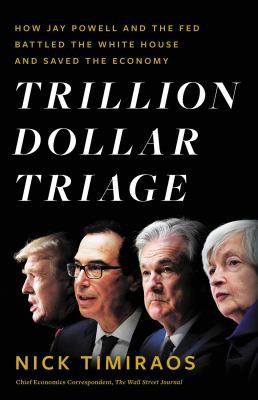
8. Trillion Dollar Triage: How Jay Powell and the Fed Battled a President and a Pandemic, and Prevented Economic Disaster
Recommended by 1 leader: Bill Ackman
Wall Street Journal correspondent Nick Timiraos gives an inside account of how the Federal Reserve under Powell kept a once-in-a-century pandemic from wrecking the economy. Bill Ackman says it shows how central bank policy really gets made.
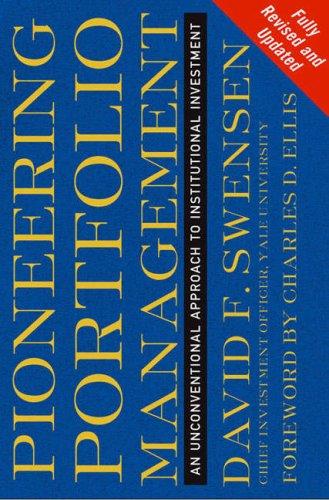
9. Pioneering Portfolio Management
Recommended by 1 leader: Marc Andreessen
David Swensen sets out the process behind Yale’s endowment, from investment philosophy and asset allocation to risk control, choosing managers and the traps in each asset class, including venture capital and private equity. Marc Andreessen calls it excellent and the place to study Swensen’s approach.
10. The Spider Network: The Wild Story of a Maths Genius and One of the Greatest Scams in Financial History
by David Enrich
Recommended by 1 leader: Marc Andreessen
David Enrich tells the story of the Libor fraud, among the biggest since the financial crisis, through the maths prodigy Hayes and a City of London cast, treating it as proof of a crooked system. Marc Andreessen calls it a saga of market manipulation in plain sight.
11. Makers and Takers: The Rise of Finance and the Fall of American Business
Recommended by 1 leader: Robert Kiyosaki
Rana Foroohar argues that financialization has turned Wall Street away from funding job-creating companies, pointing to a tax code that favors debt, buybacks outranking research and finance’s outsized share of corporate profits. Robert Kiyosaki agrees that business schools train students to manipulate markets.
12. The Only Game in Town: Central Banks, Instability, and Avoiding the Next Collapse
Recommended by 1 leader: Robert Kiyosaki
Mohamed El-Erian explains how central banks became the main economic policy makers after 2008, why their tools cannot deliver lasting growth and stability alone, and which reforms he thinks should share the load. Robert Kiyosaki rates El-Erian among the sharpest minds alive and shares his warning.
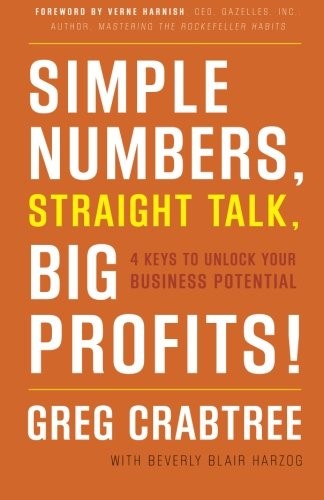
13. Simple Numbers, Straight Talk, Big Profits!
by Greg Crabtree, Beverly Herzog
Recommended by 1 leader: James Clear
Accountant Greg Crabtree explains small-business finance without jargon, showing owners which key indicators to track from startup to $5 million in revenue, why profit rests on labor productivity and why taxes paid are the best gauge of performance. James Clear recommends it.
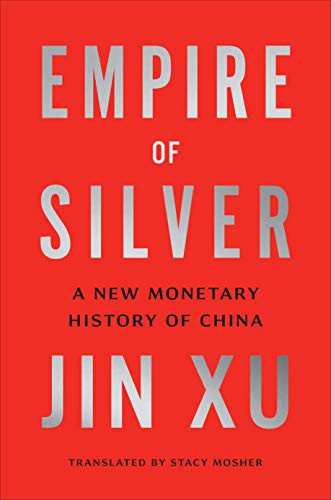
14. Empire of Silver: A New Monetary History of China
by Jin Xu
Recommended by 1 leader: Tyler Cowen
Jin Xu traces a thousand years of Chinese monetary history through silver, which was weighed rather than minted, and argues that the hunger for it widened trade but held back modern finance and hastened the empire’s decline. Tyler Cowen put it on his list of the year’s best nonfiction.
15. The Ascent of Money: A Financial History of the World
Recommended by 1 leader: Muhtar Kent
Niall Ferguson traces how money, credit, bonds, stock markets, insurance and housing finance developed, from Pizarro’s gold and silver and Renaissance bond trading to the economic ties between America and China. Muhtar Kent calls it one of the best books of economic observation.
16. King of Capital: The Remarkable Rise, Fall, and Rise Again of Steve Schwarzman and Blackstone
by David Carey, John E. Morris
Recommended by 1 leader: Bogdan Iordache
David Carey and John Morris show how Blackstone and its private equity rivals grew from takeover raiders into disciplined, risk-wary investors, contrasting them with the leveraged banks that pushed the economy toward disaster. Bogdan Iordache has it on his list of recommended books.
17. Lords of Creation
Recommended by 1 leader: Morgan Housel
Frederick Lewis Allen’s history follows the boom in American corporate finance from the 1890s depression to the 1930s crisis, with Wall Street, the securities business and the great financiers at its center. Morgan Housel rates it his favorite account of the Gilded Age titans.
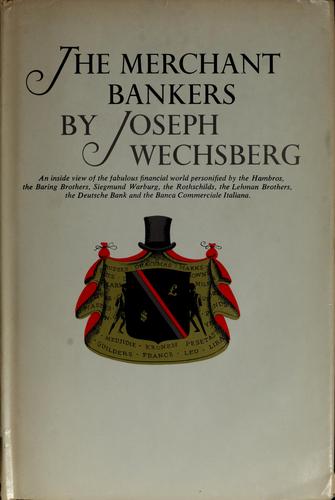
18. The Merchant Bankers
Recommended by 1 leader: David Senra
Joseph Wechsberg profiles seven great banking houses, among them Barings, the Rothschilds, the Warburgs and Lehman Brothers, contrasting the cloistered aristocracy of Old World banking with the high-stakes investors of Wall Street. David Senra recommends it.
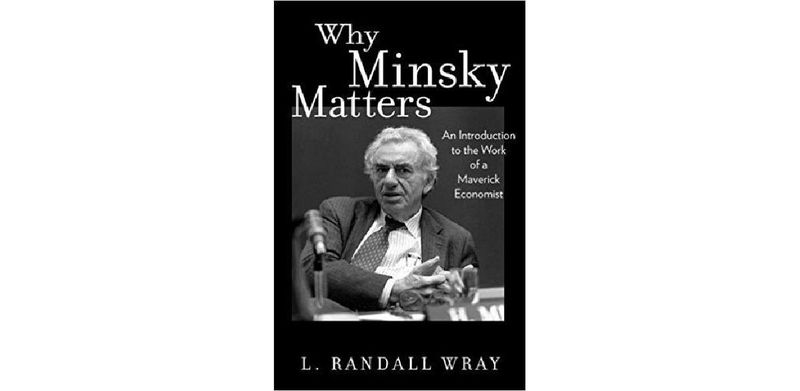
19. Why Minsky Matters: An Introduction to the Work of a Maverick Economist
by Randall Wray
Recommended by 1 leader: Lucas Morales
Randall Wray introduces Minsky’s warning that stability breeds instability, the idea that calm growth builds the conditions for a crash, along with his thinking on banking, money and financial reform. Lucas Morales read it to understand financial systems and the nature of money better.

20. Firefighting: The Financial Crisis and Its Lessons
by Ben S. Bernanke, Timothy F. Geithner, Henry M. Paulson Jr.
Recommended by 1 leader: Warren Buffett
Ben Bernanke, Timothy Geithner and Henry Paulson look back on the 2008 crisis they fought, explaining its causes, why it did so much damage and the choices that averted a second Great Depression, with a playbook for future crises. Warren Buffett says he learned much he had not known.
21. The End of Alchemy: Money, Banking, and the Future of the Global Economy
by Mervyn King
Recommended by 1 leader: Alan Greenspan
Former Bank of England governor Mervyn King argues that paper money and banks turning risky long-term loans into safe-seeming deposits fueled growth but also hyperinflations, banking collapses and the 2008 crisis, and proposes simpler rules. Alan Greenspan recommends it to anyone trying to understand that crisis.
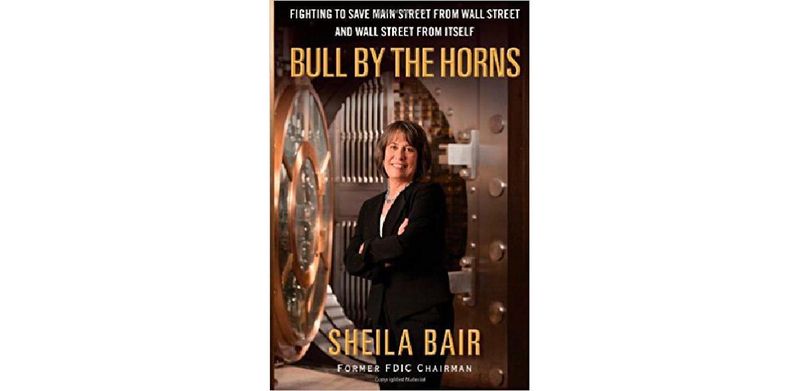
22. Bull by the Horns: Fighting to Save Main Street from Wall Street and Wall Street from Itself
by Sheila Bair
Recommended by 1 leader: Nassim Nicholas Taleb
Sheila Bair recounts the financial crisis from the chair of the FDIC, where she spotted the danger in subprime loans early, clashed often with Geithner and fought to rein in big banks. Nassim Nicholas Taleb values it as a straight account historians will trust over bankers’ spin.
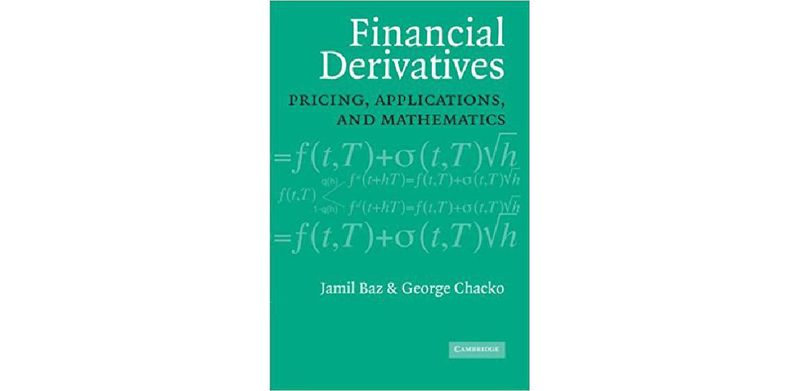
23. Financial Derivatives: Pricing, Applications, and Mathematics
Recommended by 1 leader: Nassim Nicholas Taleb
Jamil Baz and George Chacko build derivatives pricing up from basic principles of risk, through random calculus, the stochastic discount factor and interest rate models, for graduate students and analysts at home with calculus and statistics. Nassim Nicholas Taleb says he should have read it earlier.
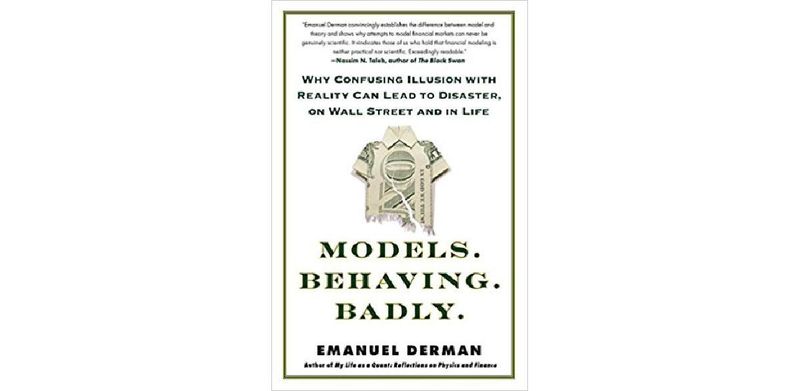
24. Models.Behaving.Badly.: Why Confusing Illusion with Reality Can Lead to Disaster, on Wall Street and in Life
Recommended by 1 leader: Nassim Nicholas Taleb
Emanuel Derman, formerly Goldman Sachs’s head quant, explains why financial models borrow the look of physics yet can only approximate markets, and why confusing the two helped feed financial crises. Nassim Nicholas Taleb endorsed it as proof that finance can never be truly scientific.
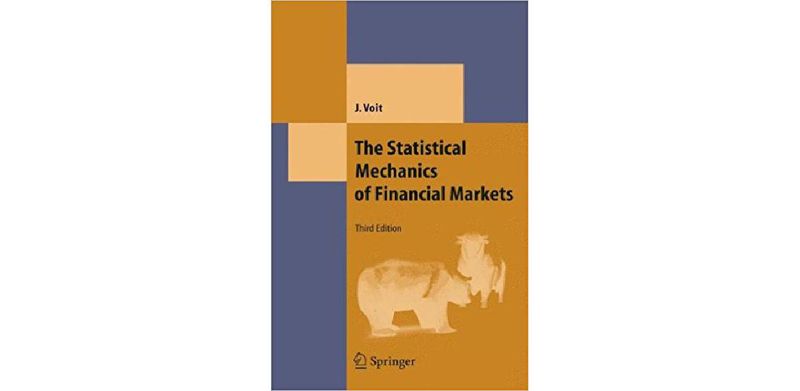
25. The Statistical Mechanics of Financial Markets
Recommended by 1 leader: Nassim Nicholas Taleb
Johannes Voit’s textbook surveys what physics has contributed to finance, from the random walk behind Black-Scholes pricing and diversification to risk management and regulatory capital rules such as Basel II. Nassim Nicholas Taleb praised its account of Einstein and Bachelier.
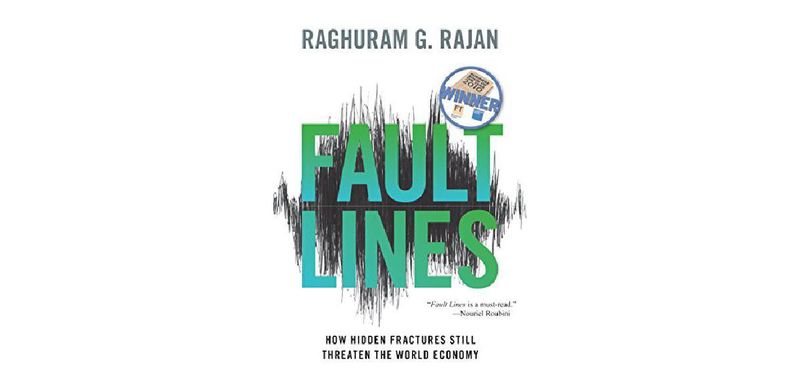
26. Fault Lines: How Hidden Fractures Still Threaten the World Economy
Recommended by 1 leader: George A. Akerlof
Raghuram Rajan, who warned in 2005 that banks were taking on too much risk, traces the 2008 crash to structural strains: inequality that pushed easy housing credit, global trade imbalances and clashing financial systems. George A. Akerlof says it gets the lessons of the crisis right.
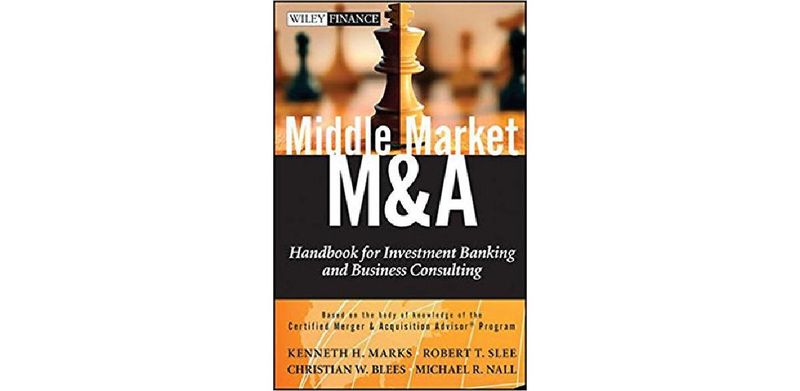
27. Middle Market M & A: Handbook for Investment Banking and Business Consulting
by Kenneth H. Marks, Robert T. Slee, Christian W. Blees, Michael R. Nall
Recommended by 1 leader: Patti Gillenwater
This handbook for investment bankers and advisers covers mergers, acquisitions and divestitures of mid-sized companies, from deal strategy to process and private capital markets, and doubles as Series 79 exam preparation. Patti Gillenwater calls it a comprehensive resource for deal-makers.
Also worth reading
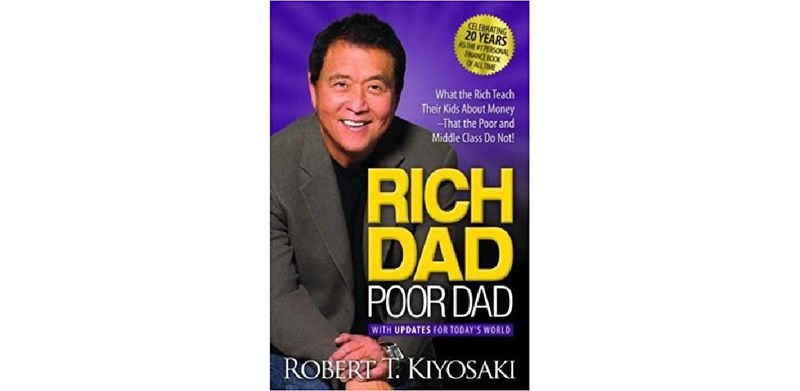
28. Rich Dad Poor Dad
by Robert Kiyosaki, Sharon Lechter
Recommended by 30 leaders, including Mohnish Pabrai, Marvin Liao and Yaro Starak
Mainly a personal finance book, Robert Kiyosaki’s parables teach financial basics such as telling assets from liabilities and making money work through investments and businesses. Bill Widmer recommends it for learning about assets, liabilities and how to view money.
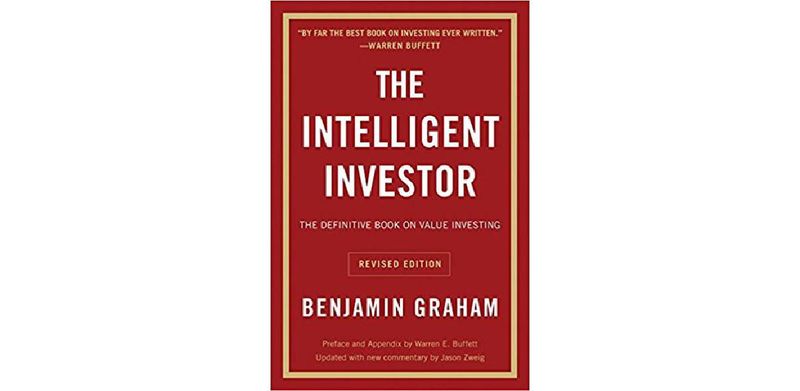
29. The Intelligent Investor
Recommended by 6 leaders, including Warren Buffett, Bill Ackman and Grant Cardone
Mainly an investing guide, Benjamin Graham’s book explains how share prices relate to business value through Mr. Market, an obliging but moody counterparty, and argues for buying sound companies below their worth. Kevin Rose calls it the foundation for investing.
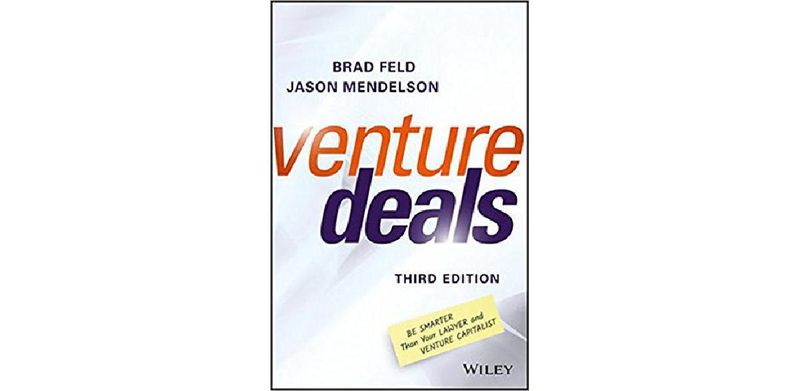
30. Venture Deals: Be Smarter Than Your Lawyer and Venture Capitalist
Recommended by 6 leaders, including Tim Ferriss, Ola Olusoga and Erik Cheong
Brad Feld and Jason Mendelson walk through a venture capital term sheet clause by clause, explaining how valuations are set, which terms matter, how investors are paid and where convertible debt fits from seed to late rounds. Tracy Osborn consulted it almost daily while raising money.
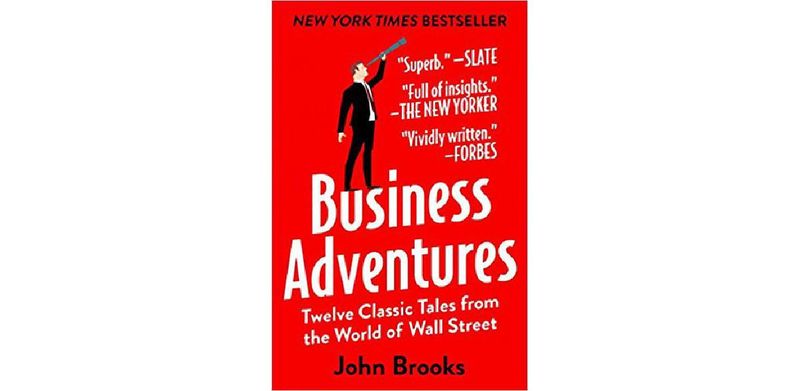
31. Business Adventures: Twelve Classic Tales from the World of Wall Street
by John Brooks
Recommended by 5 leaders, including Bill Gates, Warren Buffett and Michael Dell
Mainly business history, John Brooks’s New Yorker essays include financial episodes such as the 1962 market slump, the Texas Gulf Sulphur insider scandal, a Piggly Wiggly corner and bankers defending the pound. Bill Gates says the rules of building a strong business have not changed.
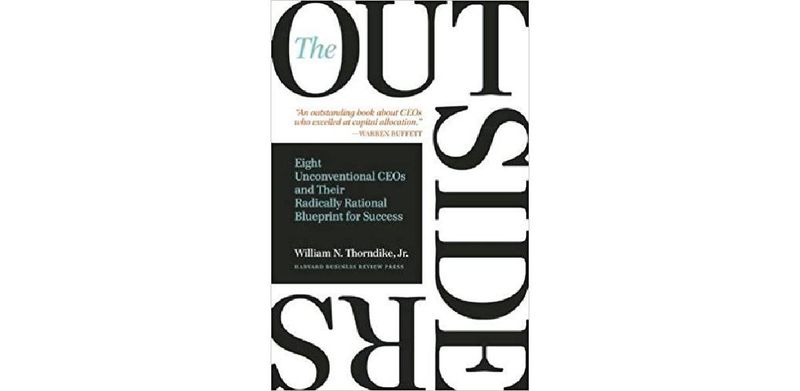
32. The Outsiders: Eight Unconventional CEOs and Their Radically Rational Blueprint for Success
Recommended by 4 leaders, including Michael Dell, Thomas A. Russo and Mason Hawkins
Mainly about chief executives, William Thorndike’s profiles of eight CEOs show capital allocation, value per share and cash flow at work, which he ranks above reported earnings or sales growth. Michael Dell recommends it for its lessons on thoughtful capital allocation.

33. Secrets of Sand Hill Road: Venture Capital and How to Get It
by Scott Kupor
Recommended by 4 leaders, including Sam Altman, Eric Schmidt and Adena Friedman
Scott Kupor of Andreessen Horowitz explains how venture capitalists raise funds, choose startups and set terms, covering down rounds, pitch metrics, boards and a sample term sheet. Sam Altman calls it a valuable resource for any founder working with VCs.
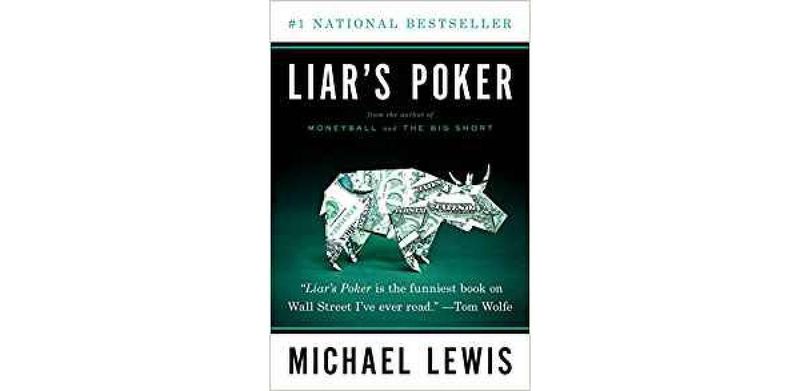
34. Liar’s Poker
Recommended by 2 leaders: Chamath Palihapitiya and Audrey Russo
Mainly a memoir of Salomon Brothers in the 1980s, Michael Lewis’s book also traces how the firm built a market for mortgage bonds and how its bond traders made their money. Chamath Palihapitiya recommends it.
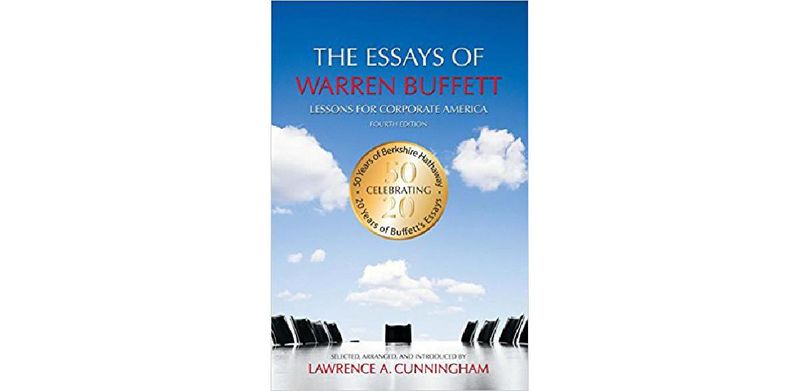
35. The Essays of Warren Buffett: Lessons for Corporate America
by Warren Buffett, Lawrence A. Cunningham
Recommended by 2 leaders: Mohnish Pabrai and Michael Hebenstreit
Mainly about running and investing in businesses, Warren Buffett’s shareholder letters, arranged by theme, include sections on finance, accounting, mergers and valuation. Mohnish Pabrai notes that Buffett endorsed this collection and no other book about him.
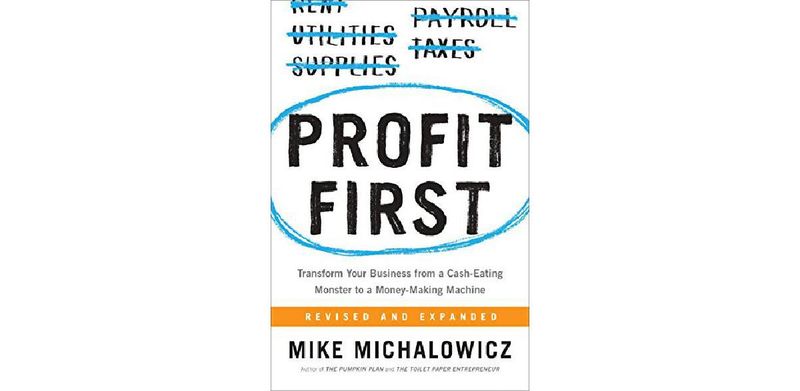
36. Profit First: Transform Your Business from a Cash-Eating Monster to a Money-Making Machine
Recommended by 2 leaders: Jacqui Pretty and Bill Widmer
Mike Michalowicz flips the usual formula so that profit is set aside first and expenses come from what remains, giving small business owners a cash system run from bank balances. Jacqui Pretty says it completely changed how her company manages its finances.
37. The Internet of Money
Recommended by 2 leaders: Hong Qi Yu and Ionut Danifeld
Mainly essays on why bitcoin matters, Andreas Antonopoulos’s collection presents it as a change in how money and finance work rather than simply a digital currency. Ionut Danifeld says it persuaded him that bitcoin was the future and worth investing in.
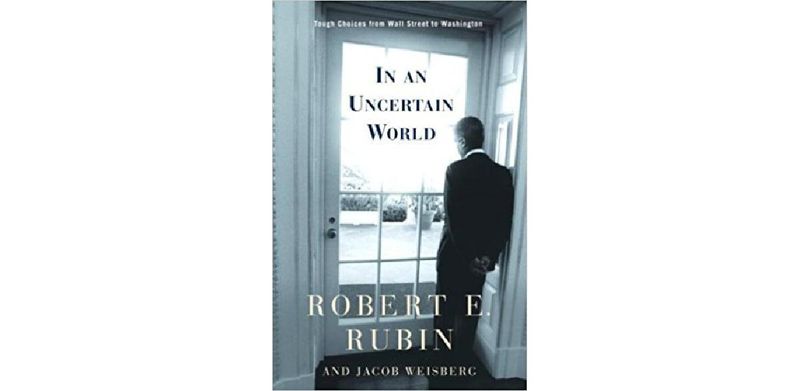
38. In an Uncertain World: Tough Choices from Wall Street to Washington
by Robert E. Rubin, Jacob Weisberg
Recommended by 1 leader: Warren Buffett
Mainly a memoir of policy decisions, Robert Rubin’s account moves from arbitrage at Goldman Sachs to the Treasury, where he handled financial crises in Mexico, Asia, Russia and Brazil. Warren Buffett ranks Rubin among the best Treasury secretaries and urges readers curious about politics and economics to read it.
39. Streetwise: Getting to and Through Goldman Sachs
Recommended by 1 leader: Bill Ackman
Mainly Lloyd Blankfein’s memoir, the book doubles as a recent history of Goldman Sachs, including how he steered it through the global financial crisis and his lessons on managing risk. Bill Ackman suggests it for anyone interested in financial markets or seeking career inspiration in finance.
40. A Short History of Financial Euphoria
Recommended by 1 leader: Howard Marks
Mainly a history of speculative manias, John Kenneth Galbraith’s short book shows how each era invents new forms of debt, from joint-stock companies to junk bonds, before the boom turns. Howard Marks praises its account of how investor psychology swings to extremes.
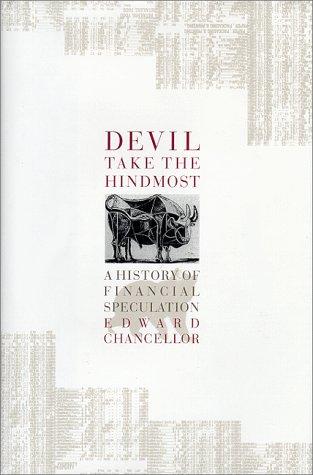
41. Devil Take the Hindmost: A History of Financial Speculation
Recommended by 1 leader: Howard Marks
Mainly a history of speculation, Edward Chancellor’s book follows stock market manias across centuries and questions the economists’ view that speculators behave rationally. Howard Marks pairs it with Galbraith’s book as his favorites on market excess.
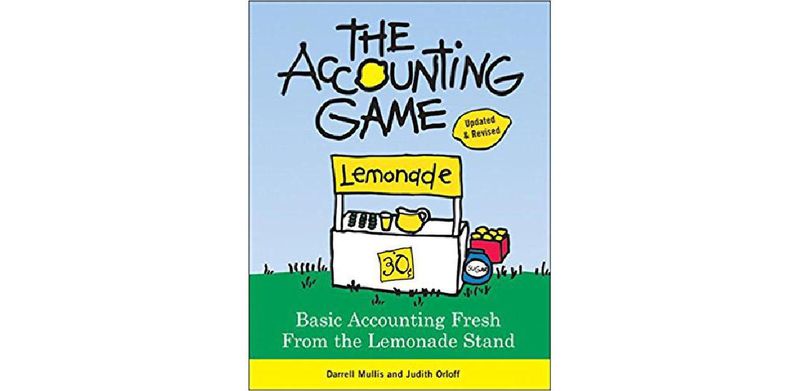
42. The Accounting Game: Basic Accounting Fresh from the Lemonade Stand
by Darrell Mullis, Judith Orloff
Recommended by 1 leader: Andrew Elliott
Mainly an accounting primer, Darrell Mullis and Judith Orloff’s book uses a child’s lemonade stand to explain assets, liabilities, inventory, earnings and notes payable with color-coded charts and worksheets. Andrew Elliott suggests it to entrepreneurs with no accounting background.

43. The Age of Cryptocurrency: How Bitcoin and the Blockchain Are Challenging the Global Economic Order
by Paul Vigna, Michael J. Casey
Recommended by 1 leader: Dominic Steil
Mainly about cryptocurrency, Paul Vigna and Michael Casey explain what bitcoin is and how it works, and weigh its promise of a financial system without middlemen against its instability and illicit uses. Dominic Steil recommends it.
44. The Smartest Guys in the Room: The Amazing Rise and Scandalous Fall of Enron
by Bethany McLean, Peter Elkind
Recommended by 1 leader: Warren Buffett
Mainly a corporate scandal story, Bethany McLean and Peter Elkind’s account of Enron’s rise and bankruptcy grew from McLean asking in Fortune whether the company was overpriced, and draws on hundreds of interviews and internal e-mails. Warren Buffett praised its reporting and writing.
45. The Blank Swan: The End of Probability
by Elie Ayache
Recommended by 1 leader: Nassim Nicholas Taleb
Mainly a philosophical treatise, Elie Ayache’s book, begun after the 1987 crash broke the Black-Scholes formula, argues that market prices cannot be reduced to probabilities and redefines the market against orthodox financial theory. Nassim Nicholas Taleb welcomed its reverse-probabilistic view.