Best Creativity Books: 50 Picks Recommended by CEOs
Steven Pressfield’s The War of Art leads the list, naming Resistance, the self-doubt and procrastination that stall creative work, and answering it with the habits of a professional. Creativity, Inc. by Pixar co-founder Ed Catmull with Amy Wallace follows, showing how the studio protects a culture where original work can thrive, and Austin Kleon’s Steal Like an Artist sets out ten illustrated rules for people who make things, starting with learning from the work of others.
The list is for founders, managers, writers, designers and anyone who needs new ideas as part of the job. The core books treat creativity directly: how ideas form, in Steven Johnson’s Where Good Ideas Come From and Edward de Bono’s Lateral Thinking; the daily practice and the blocks, from Big Magic to Daily Rituals and Do the Work; and creative teams and cultures, from IDEO’s Creative Confidence to Organizing Genius.
The related books come at creativity from a neighboring subject. They include biographies of Leonardo da Vinci and Walt Disney, Safi Bahcall’s Loonshots on how organizations nurture radical ideas, writing guides such as Bird by Bird, and books on curiosity, flow and design thinking that each shed light on how creative work gets done.
We ranked these 50 books by how many of the 1,088 founders, CEOs and leaders on The CEO Library recommend them: first the 33 books mainly about creativity, then 17 related books under Also worth reading.
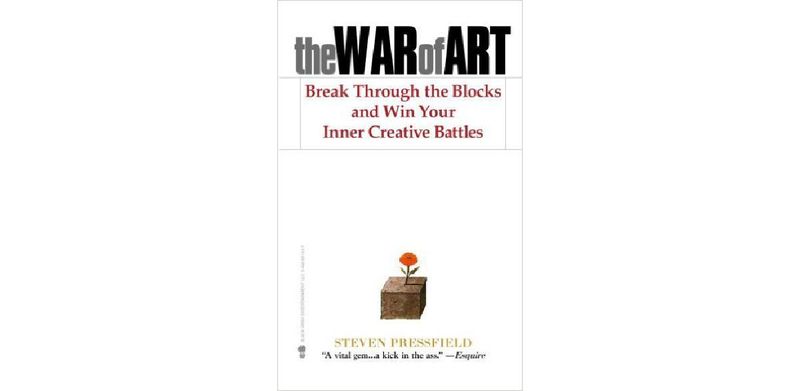
1. The War of Art: Break Through the Blocks and Win Your Inner Creative Battles
Recommended by 13 leaders, including Joe Rogan, Andrew Huberman and James Clear
Steven Pressfield names Resistance, the self-doubt and procrastination that stop anyone setting out to write, paint or build, and prescribes turning professional by showing up every day to practice the craft. James Clear recommends it to anyone struggling against that force.
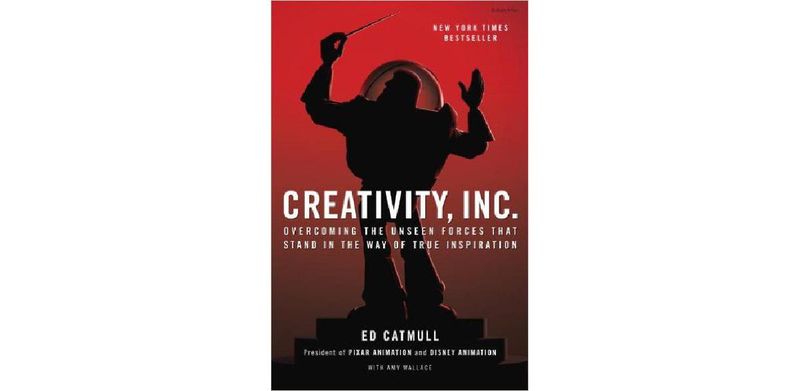
2. Creativity, Inc.: Overcoming the Unseen Forces That Stand in the Way of True Inspiration
Recommended by 12 leaders, including Mark Zuckerberg, Demis Hassabis and Brene Brown
Pixar co-founder Ed Catmull describes how the studio built a culture where creative work thrives, opening up its story meetings, postmortems and Braintrust sessions. Mark Zuckerberg singles out Catmull’s theory that people are innately creative and that many obstacles get in the way.
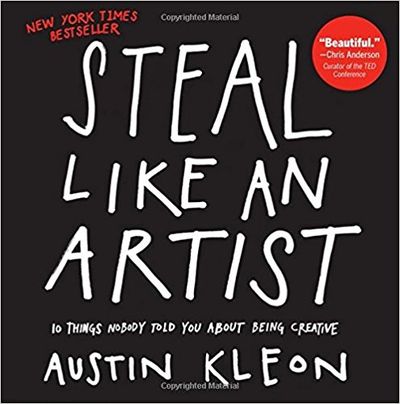
3. Steal Like an Artist: 10 Things Nobody Told You About Being Creative
by Austin Kleon
Recommended by 9 leaders, including Ryan Holiday, Seth Godin and Andra Zaharia
Austin Kleon expands a viral talk into ten illustrated rules for people who make things, beginning with studying, crediting and transforming the work of others. Ryan Holiday argues that this kind of borrowing from the greats is how art actually gets made.
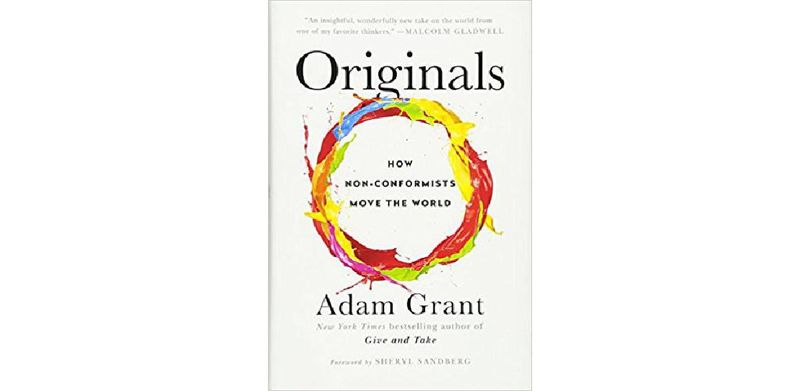
4. Originals: How Non-Conformists Move the World
by Adam Grant
Recommended by 6 leaders, including Richard Branson, Tony Hsieh and Chelsea Frank
Adam Grant studies how non-conformists champion new ideas: judging which ideas are strong, speaking up, building coalitions, timing action and nurturing originality in children and teams. Tony Hsieh and Richard Branson both recommend it.
5. Show Your Work!
by Austin Kleon
Recommended by 6 leaders, including Ryan Holiday, Chase Jarvis and Ali Abdaal
In the follow-up to Steal Like an Artist, Austin Kleon turns from making work to getting it seen, with ten rules on sharing process, posting something small daily and the communal nature of creative work. Ali Abdaal says it changed how he thought about sharing online.
6. Creative Calling: Establish a Daily Practice, Infuse Your World with Meaning, and Succeed in Work + Life
by Chase Jarvis
Recommended by 6 leaders, including Richard Branson, Brene Brown and Daymond John
CreativeLive founder Chase Jarvis treats creativity as a habit anyone can build, organized around his IDEA system: imagine, design a daily practice, execute and amplify through community. Brene Brown endorses him as the right guide to what creativity can change.
7. Daily Rituals: How Artists Work
by Mason Currey
Recommended by 3 leaders: James Clear, Scott Keyes and B. J. Novak
Mason Currey compiles how 161 writers, painters, composers and scientists organized their working days, from Trollope’s morning word counts to Balanchine working while ironing. James Clear’s takeaway is that every great artist keeps a set time and place for uninterrupted work.
8. The Gift: Creativity and the Artist in the Modern World
by Lewis Hyde
Recommended by 3 leaders: Seth Godin, Austin Kleon and Armina Sirbu
Treating art as something given rather than sold, Lewis Hyde draws on anthropology, economics and literature to ask how creative work survives in a money culture. Austin Kleon says it reaffirmed his view that generosity toward an audience pays off.
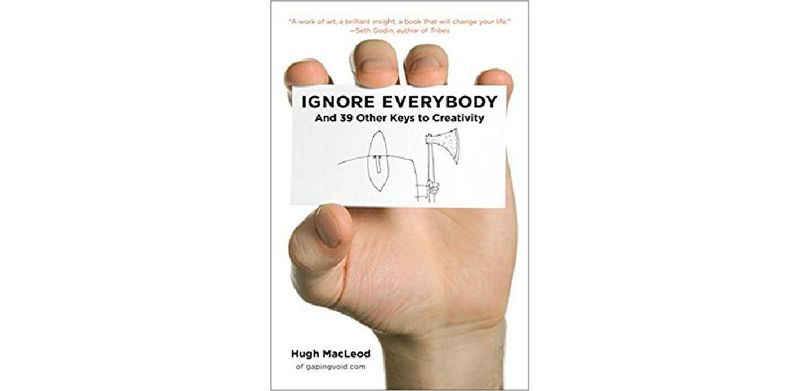
9. Ignore Everybody: and 39 Other Keys to Creativity
by Hugh MacLeod
Recommended by 3 leaders: Seth Godin, Bogdana Butnar and Derek Sivers
Copywriter turned cartoonist Hugh MacLeod sets out 40 short keys to creativity, arguing that an idea need only be one’s own and that watering work down to sell it makes it worse. Derek Sivers calls it concise wisdom on creativity from an artist.
10. Creative Confidence: Unleashing the Creative Potential Within Us All
Recommended by 3 leaders: Cristina Riesen, Robert Katai and Kimberly Gloria Choi
IDEO founder David Kelley and his brother Tom reject the idea that creativity belongs to creative types, drawing on IDEO and d.school stories for strategies to use it at work and at home. Cristina Riesen counts it among the books behind her unconventional career moves.
11. Lateral Thinking: Creativity Step by Step
Recommended by 3 leaders: Andra Zaharia, Tudor Mihailescu and Faisal Amin
Edward de Bono contrasts the step-by-step vertical thinking taught in schools with lateral thinking, and offers techniques, for individuals or groups, that force a problem to be seen from several angles. Andra Zaharia recommends it to people building a marketing career.
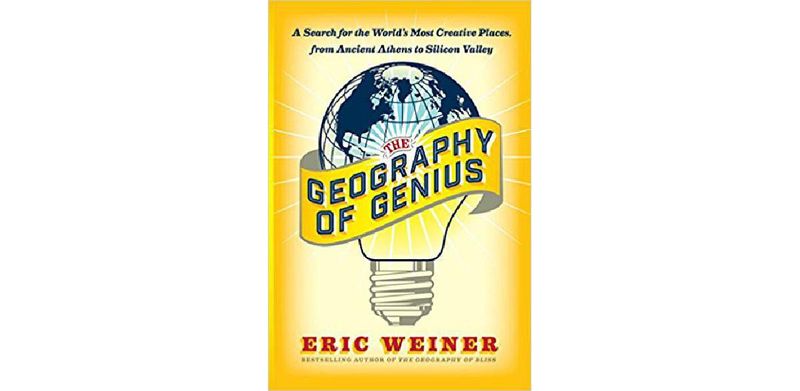
12. The Geography of Genius: A Search for the World’s Most Creative Places from Ancient Athens to Silicon Valley
by Eric Weiner
Recommended by 4 leaders, including Walter Isaacson, Adam Grant and Daniel Gilbert
Travel writer Eric Weiner visits Athens, Hangzhou, Florence, Vienna and Silicon Valley to ask why creative genius clustered in certain places and eras, and how much culture matters in fostering it. Colleen McCreary found surprises in its account of innovative communities.
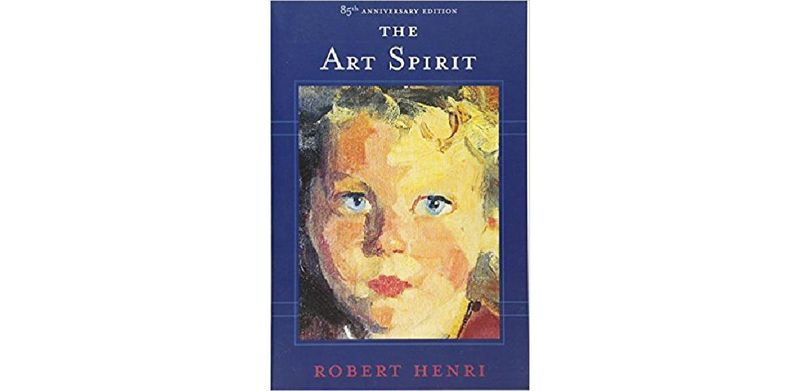
13. The Art Spirit
by Robert Henri
Recommended by 2 leaders: Jack Dorsey and Estella Ng
Robert Henri’s teaching at New York’s Art Students League, collected by a former pupil, mixes technical advice with reflections on the artist’s place in society. Jack Dorsey describes it as creativity seen through an art student’s eyes, where mastering tools is a constant practice.
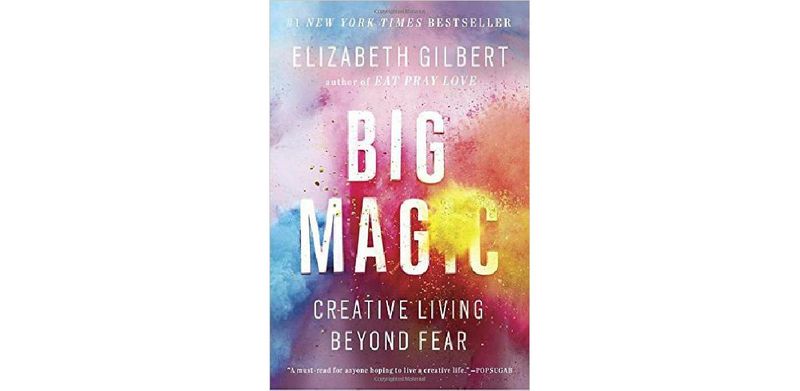
14. Big Magic: Creative Living Beyond Fear
Recommended by 2 leaders: Mark Manson and Chelsea Frank
Using her own working process, Elizabeth Gilbert explores the sources of inspiration and how to keep making things despite fear, blending spiritual ideas with daily habits. Mark Manson says he enjoyed it far more than he expected.
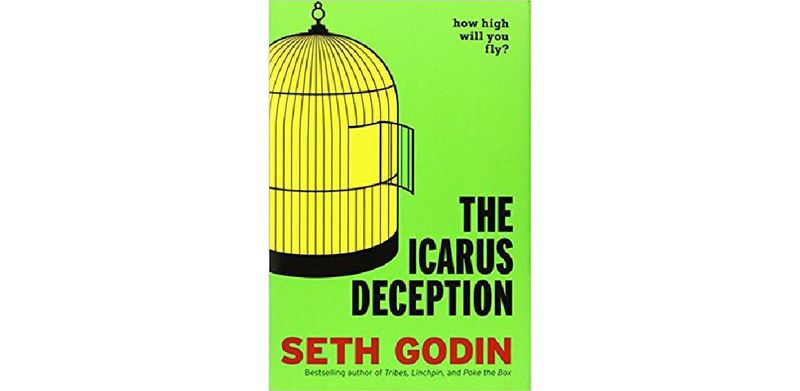
15. The Icarus Deception: How High Will You Fly?
by Seth Godin
Recommended by 2 leaders: Vincent Pugliese and Scott Perry
Seth Godin argues that flying too low is the greater danger, since conformity no longer brings safety while creativity is scarce, and urges treating art as an attitude anyone can adopt. Scott Perry says it helped him see what delivering creative work that matters requires.
16. Do the Work
Recommended by 1 leader: Andrew Huberman
Steven Pressfield’s follow-up to The War of Art tracks a long creative project from start to finish and marks the predictable points where resistance strikes, with steps to beat it. Andrew Huberman says he loves it.
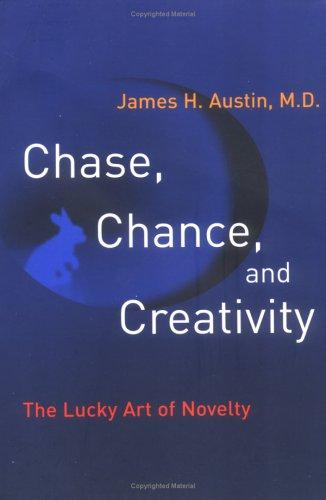
17. Chase, Chance, and Creativity: The Lucky Art of Novelty
Recommended by 1 leader: Marc Andreessen
Biomedical researcher James H. Austin uses his own laboratory work to show how persistence and luck combine with creativity, classifying kinds of luck and examining the creative process. Marc Andreessen calls it the best book he has read on serendipity in any creative endeavor.
18. Where Good Ideas Come From: The Natural History of Innovation
Recommended by 1 leader: Tony Hsieh
Steven Johnson traces the settings in which new ideas form, from Darwin’s coral reef to modern cities, describing the slow hunch and the adjacent possible. He identifies seven principles that help new ideas emerge and holds that today’s tools let far more people pursue bold innovation.
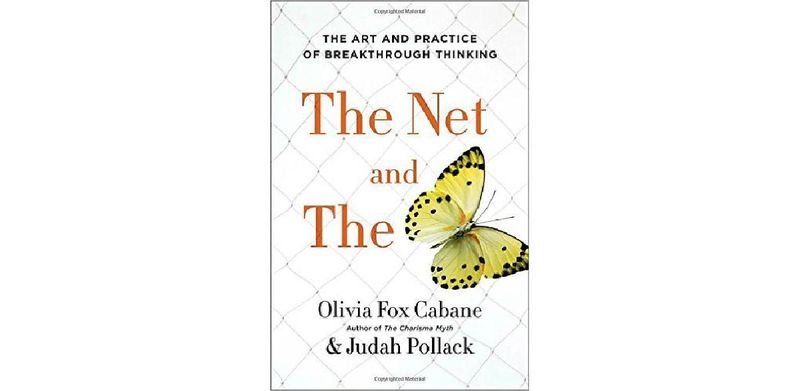
19. The Net and the Butterfly: The Art and Practice of Breakthrough Thinking
by Olivia Fox Cabane, Judah Pollack
Recommended by 1 leader: Joe Gebbia
Olivia Fox Cabane and Judah Pollack use neuroscience to explain breakthrough ideas, pairing the brain’s wandering creative mode with its focused executive mode, and offer exercises for reaching insight. Joe Gebbia found its account of how the brain produces creative ideas fascinating.
20. The Art of Innovation: Lessons in Creativity from IDEO, America’s Leading Design Firm
by Tom Kelley, Jonathan Littman
Recommended by 1 leader: Seth Godin
Tom Kelley describes how IDEO keeps producing new products, rejecting the lone genius myth in favor of teamwork, rule breaking and a fast cycle of brainstorming and building. Seth Godin says seeing how well IDEO designs raises one’s own expectations.
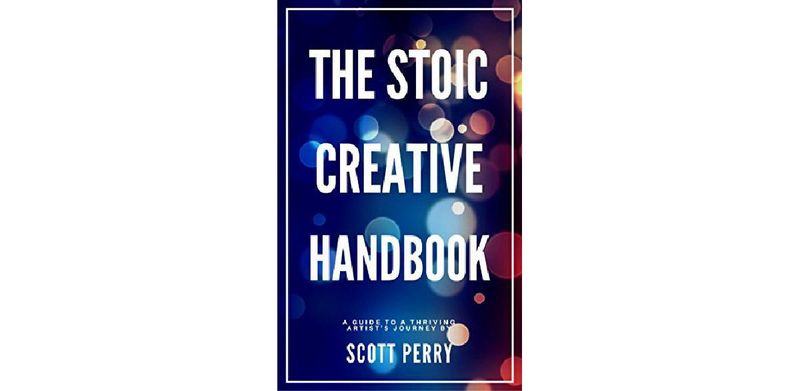
21. The Stoic Creative Handbook: Struggling Creatives Are Driven By Passion. Thriving Artists Are Driven By Purpose.
by Scott Perry
Recommended by 1 leader: Seth Godin
Scott Perry applies Stoic philosophy to the creative process, urging artists to align values with talents and work from purpose rather than passion, with short exercises in each chapter. Seth Godin says it opens eyes to another way of doing work that matters.
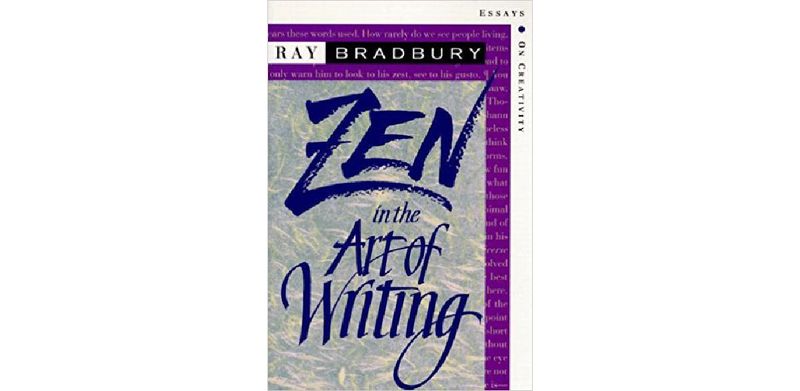
22. Zen in the Art of Writing
by Ray Bradbury
Recommended by 1 leader: Maria Popova
Ray Bradbury’s essays on creativity mix advice on finding original ideas and a personal voice with stories from his career, including how to feed a muse. Maria Popova values how he passes on both practical guidance and excitement for the craft.
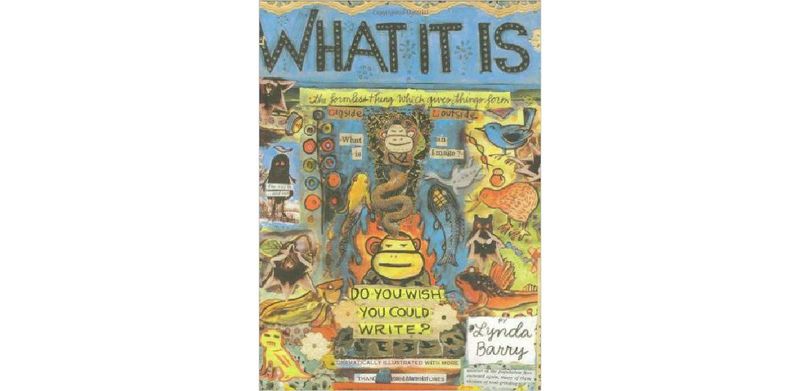
23. What it is
by Lynda Barry
Recommended by 1 leader: Austin Kleon
Lynda Barry’s collage guide teaches a playful method for writing and remembering, treating play as serious and not knowing as an answer in itself. Austin Kleon advises visual thinkers to do its exercises daily in a private notebook.
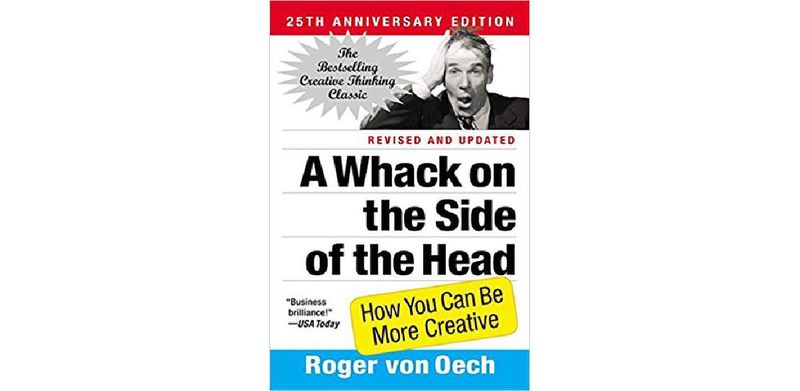
24. A Whack on the Side of the Head: How You Can Be More Creative
Recommended by 1 leader: Nick Janetakis
Roger von Oech uses puzzles, cartoons, exercises and metaphors to break through the mental blocks that hold back creative thinking. Nick Janetakis says it can alter the way people think and enjoys how its puzzles train independent thought.
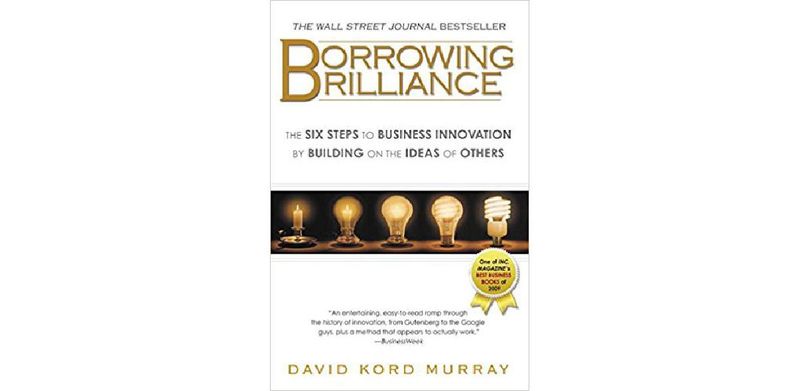
25. Borrowing Brilliance: The Six Steps to Business Innovation by Building on the Ideas of Others
Recommended by 1 leader: Nicolas Jouvenceau
David Kord Murray argues that new ideas combine existing ones, and sets out six steps from defining a problem to borrowing, combining, incubating, judging and enhancing. Nicolas Jouvenceau says it convinced him creativity is a learnable process, not an inborn talent.
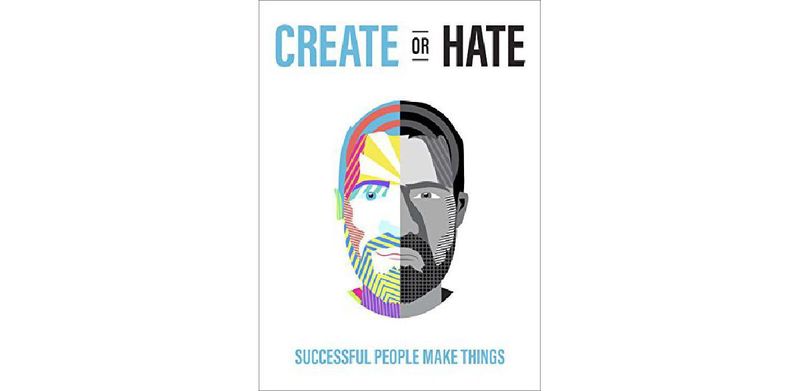
26. Create Or Hate: Successful People Make Things
by Dan Norris
Recommended by 1 leader: Andra Zaharia
In Dan Norris’s view everyone is creative, yet a force he names Hate keeps people from producing anything, and he shows how to overcome it to write, podcast, take photographs or start a business. Andra Zaharia recommends it to people starting a marketing career.
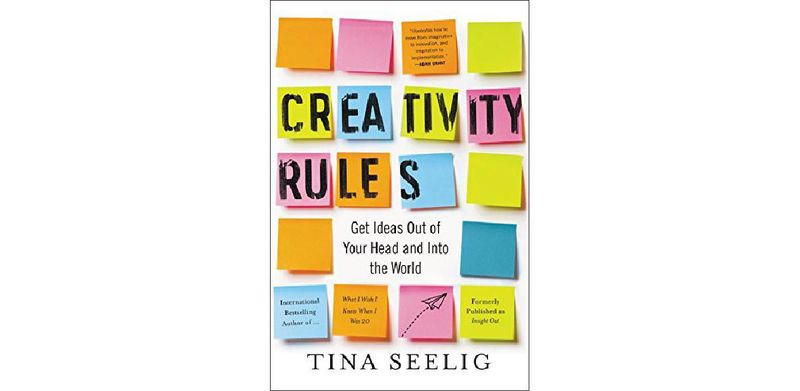
27. Creativity Rules: Get Ideas Out of Your Head and into the World
by Tina Seelig
Recommended by 1 leader: Cat Williams-Treloar
Stanford professor Tina Seelig turns her creativity course into a guide built on the Invention Cycle, moving from imagination to creativity, innovation and entrepreneurship. Cat Williams-Treloar credits its guidance with turning ideas into real projects.
28. Keep Going: 10 Ways to Stay Creative in Good Times and Bad
by Austin Kleon
Recommended by 1 leader: Todd Henry
Austin Kleon offers ten rules for staying creative over a lifetime, treating the creative life as a loop built on daily routine, time offline, walks and attention to what matters. Todd Henry calls it a great book.
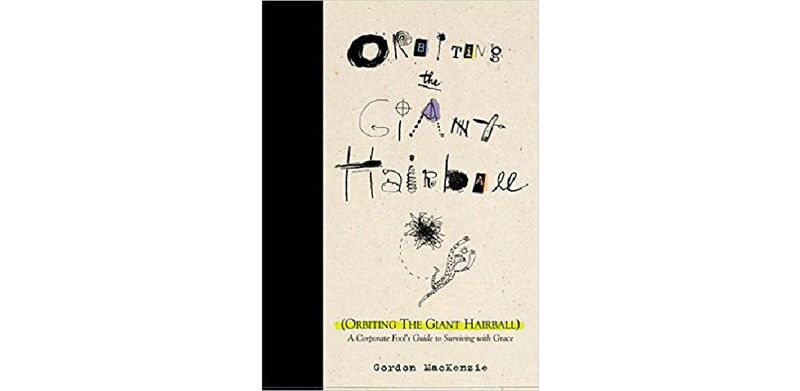
29. Orbiting the Giant Hairball: A Corporate Fool’s Guide to Surviving with Grace
Recommended by 1 leader: Todd Henry
Gordon MacKenzie draws on three decades at Hallmark to show how creative people can escape the giant hairball of rules and habit that drags organizations toward mediocrity. Todd Henry says no business book shaped his early career more, calling it an insider’s view of creative leadership.
30. Organizing Genius: The Secrets of Creative Collaboration
by Warren Bennis, Patricia Ward Biederman
Recommended by 1 leader: Todd Henry
Warren Bennis and Patricia Ward Biederman study six Great Groups, among them the Manhattan Project, Disney and Black Mountain College, to learn how talented people collaborate on creative work. Todd Henry praises it as a guide to leading creative groups.
31. Real Artists Don’t Starve: Timeless Strategies for Thriving in the New Creative Age
by Jeff Goins
Recommended by 1 leader: Scott Perry
Jeff Goins dismantles the starving artist myth with rules for thriving creatively: apprentice under a master, steal from influences, collaborate, take strategic risks and earn money to fund more art. Scott Perry chose it as his next read after abandoning a weaker book.
32. The Creative Act: A Way of Being
by Rick Rubin
Recommended by 1 leader: David Senra
Rick Rubin, the music producer, began with the aim of explaining how to make great art and ended with a book about a way of being, arguing that being an artist rests on a relationship to the world. David Senra recommends it.
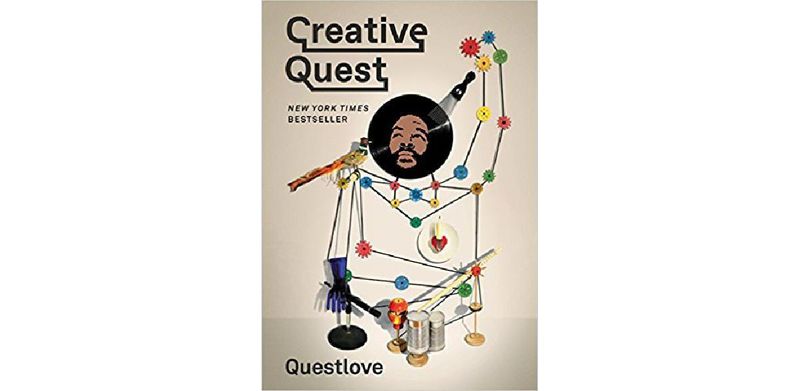
33. Creative Quest
by Questlove
Recommended by 1 leader: Jimmy Fallon
Questlove collects creative philosophies and stories from his career and collaborators such as George Clinton, David Byrne and Björk, covering mentors, apprenticeship, networks and critics. Jimmy Fallon says he cannot think of anyone more qualified to write on creativity.
Also worth reading
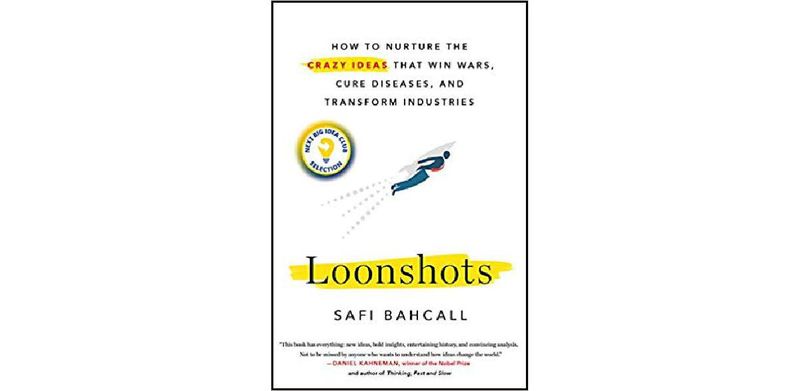
34. Loonshots: How to Nurture the Crazy Ideas That Win Wars, Cure Diseases, and Transform Industries
by Safi Bahcall
Recommended by 8 leaders, including Daniel Kahneman, Tim Ferriss and Adam Grant
Safi Bahcall’s book is mainly about how organizational structure, more than culture, decides whether teams nurture or kill radical ideas, using the physics of phase transitions. Adam Grant notes its argument that creativity depends heavily on structure.
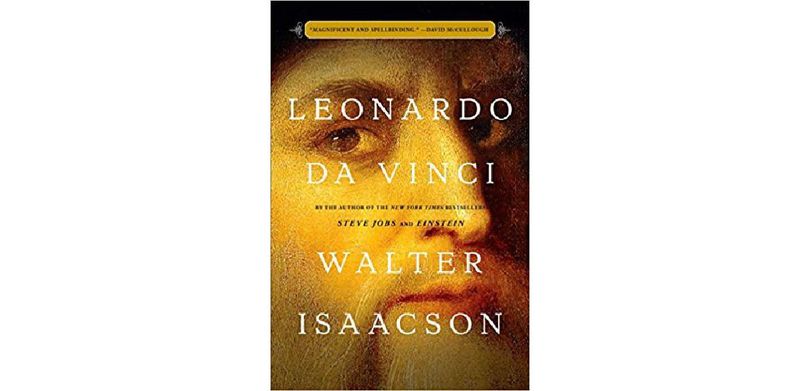
35. Leonardo da Vinci
Recommended by 5 leaders, including Bill Gates, Satya Nadella and Ryan Holiday
Walter Isaacson’s biography, built on Leonardo’s notebooks, is mainly a life story, linking the painter to the investigator of birds, anatomy and optics. Its closing lessons include relentless curiosity, and Bill Gates praises how it draws Leonardo’s many interests together.
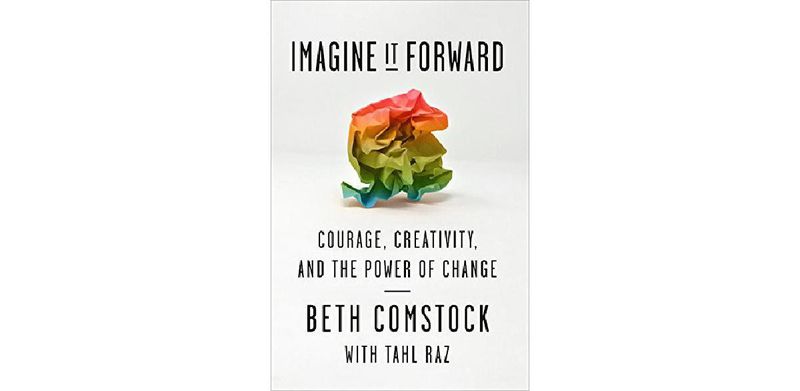
36. Imagine It Forward: Courage, Creativity, and the Power of Change
Recommended by 9 leaders, including Phil Knight, Gary Vaynerchuk and Simon Sinek
Beth Comstock’s memoir is mainly about leading change at GE, from Ecomagination to the FastWorks method, arguing that fear rather than a lack of ideas holds people back. Simon Sinek names imagination as the skill she is best placed to teach.
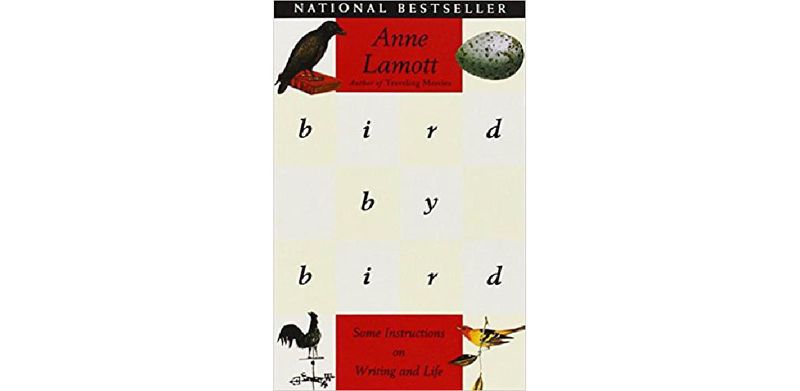
37. Bird By Bird: Some Instructions on Writing and Life
by Anne Lamott
Recommended by 4 leaders, including Ryan Holiday, Tim Ferriss and Kaci Lambe Kai
Anne Lamott’s guide is mainly about writing, from getting started and short assignments to false starts, writer’s block and writing groups. Tim Ferriss calls it one of his favorite books and thinks startup founders could learn from it too.
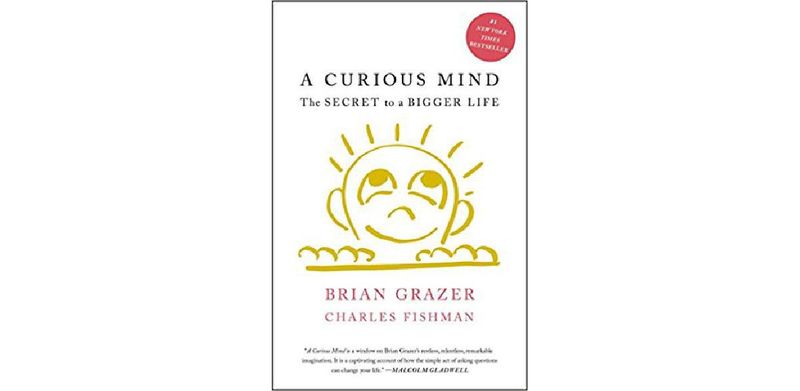
38. A Curious Mind: The Secret to a Bigger Life
by Brian Grazer, Charles Fishman
Recommended by 6 leaders, including Sheryl Sandberg, Eric Schmidt and Malcolm Gladwell
Producer Brian Grazer shows how his curiosity conversations with scientists, spies and artists fed the ideas behind films such as Apollo 13 and A Beautiful Mind. It is mainly about curiosity, and Sheryl Sandberg ties that trait to innovation and disruptive thinking.
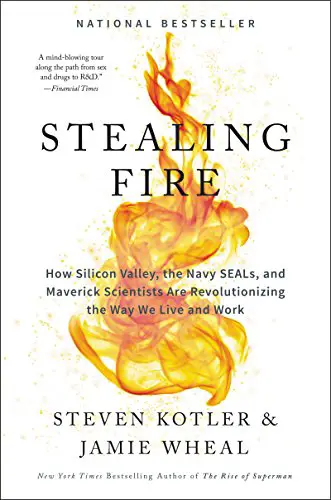
39. Stealing Fire: How Silicon Valley, the Navy SEALs, and Maverick Scientists Are Revolutionizing the Way We Live and Work
Recommended by 3 leaders: Joe Rogan, Tim Ferriss and Adam Johnston
Steven Kotler and Jamie Wheal report on how Navy SEALs, executives and scientists pursue altered states such as flow. It is mainly about high performance, but Adam Johnston notes how it shows those states being used for creativity and vision.
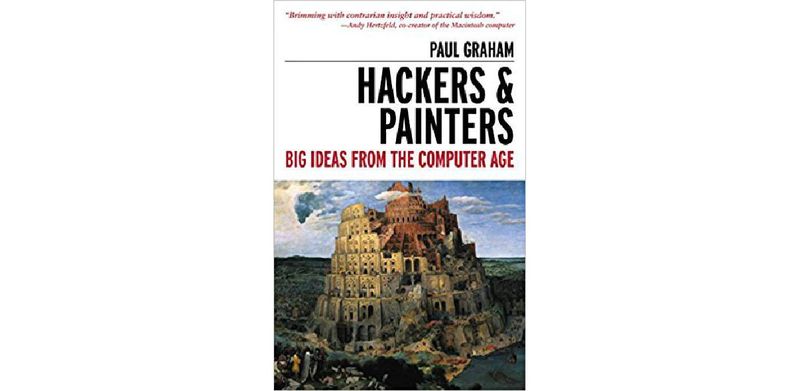
40. Hackers & Painters: Big Ideas from the Computer Age
by Paul Graham
Recommended by 5 leaders, including Evan Williams, Chris Anderson and Yukihiro Matsumoto
Paul Graham’s essays are mainly about programming, startups and wealth creation, with the title essay comparing hackers to painters as makers and others on beauty in software design. Evan Williams singles out its chapters on how wealth is made.
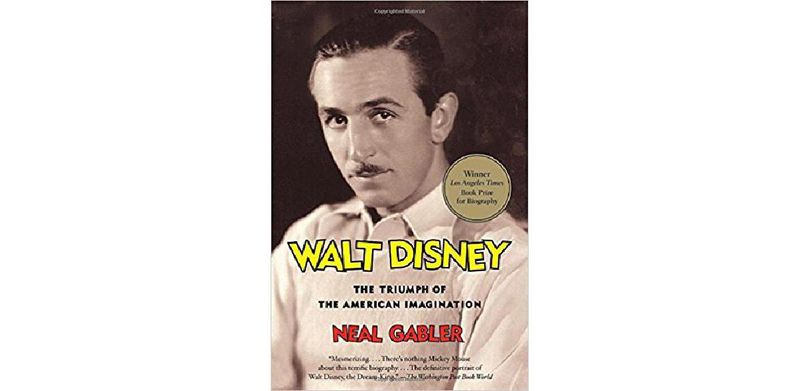
41. Walt Disney: The Triumph of the American Imagination
by Neal Gabler
Recommended by 2 leaders: Marc Andreessen and Brian Chesky
Neal Gabler’s biography is mainly a life of Walt Disney, tracing how he turned animation into an art form with Mickey Mouse, Snow White and Fantasia. Brian Chesky regards Disney as a hero and the model of a successful founder.
42. The Art of Possibility
by Rosamund Stone Zander, Benjamin Zander
Recommended by 2 leaders: Seth Godin and Andra Zaharia
Conductor Benjamin Zander and therapist Rosamund Stone Zander offer twelve practices, such as Giving an A and Rule Number 6, for bringing creativity into work and life. It is mainly about reframing, and Andra Zaharia says it taught her the power of framing.
43. Letters to a Young Poet
Recommended by 2 leaders: Todd Henry and Estella Ng
Rilke’s ten letters to a young cadet torn between poetry and the army are mainly about how a poet should feel, love and search for truth, urging trust in inner judgment over criticism. Todd Henry calls it mentorship for young artists.
44. Manage Your Day-to-Day: Build Your Routine, Find Your Focus, and Sharpen Your Creative Mind (The 99U Book Series)
by 99U
Recommended by 2 leaders: Andrew Elliott and Irina Marinescu
The 99U collection gathers advice from twenty contributors on daily routines, protecting focus and keeping a creative mind sharp. It is mainly about time management, and Andrew Elliott finds it useful especially for people in creative fields.
45. Change by Design: How Design Thinking Transforms Organizations and Inspires Innovation
by Tim Brown
Recommended by 1 leader: Doug McMillon
IDEO chief executive Tim Brown argues that innovation comes from a rigorous design thinking process rather than flashes of genius, built on fast, cheap prototypes. It is mainly about organizational innovation, and Doug McMillon recommends it.
46. Flow: The Psychology of Optimal Experience
Recommended by 1 leader: Austin Kleon
Mihaly Csikszentmihalyi’s research on optimal experience is mainly about happiness and absorption, describing the flow state whose hallmarks include deep enjoyment and creativity. Austin Kleon, rereading it, linked one passage to his own blackout poems.
47. A Whole New Mind: Why Right-Brainers Will Rule the Future
by Daniel Pink
Recommended by 1 leader: Park Howell
Daniel Pink argues that the future belongs to right-brain thinkers, the artists, inventors and storytellers who think creatively and holistically, and names six human abilities to master. It is mainly about the future of work, and Park Howell recommends it.
48. Gamestorming: A Playbook for Innovators, Rulebreakers, and Changemakers
by Dave Gray, Sunni Brown, James Macanufo
Recommended by 1 leader: Ola Olusoga
Dave Gray and his coauthors gather more than 80 games for bringing creativity and structure to group work, from visual thinking to role play. It is mainly a facilitation toolkit, and Ola Olusoga values its frameworks for turning fuzzy ideas into output.
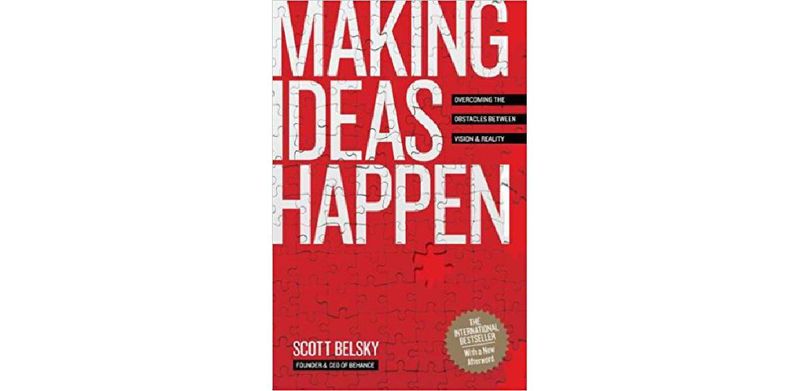
49. Making Ideas Happen: Overcoming the Obstacles Between Vision and Reality
by Scott Belsky
Recommended by 1 leader: Andreas Zhou
Behance founder Scott Belsky studied productive creative people and teams to show that execution, not ideas, is scarce, with practices such as killing ideas freely. It is mainly about execution, and Andreas Zhou credits it with getting him past analysis paralysis.
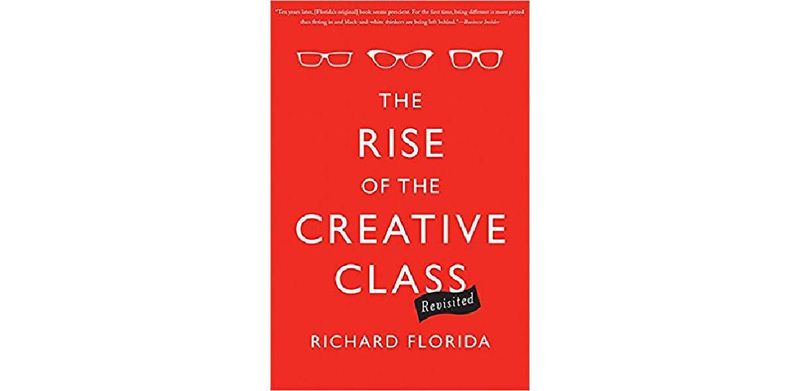
50. The Rise of the Creative Class
Recommended by 1 leader: Audrey Russo
Richard Florida’s study is mainly economic, arguing that a class of people who work by creating new forms increasingly shapes workplaces, firms and cities. Audrey Russo recommends it.