Best Communication Books: 50 Picks Recommended by CEOs
Dale Carnegie’s How to Win Friends and Influence People leads the list with plain rules for talking with people, winning them round and correcting them without resentment. Made to Stick by Chip Heath and Dan Heath follows, explaining why some messages stay in memory while others fade, and Carmen Simon’s Impossible to Ignore shows presenters how to shape what an audience remembers.
The list is for founders, managers and anyone whose work depends on being heard: pitching investors, leading meetings, giving and taking feedback, or handling a tense conversation. The core books cover conversation and listening, from Marshall B. Rosenberg’s Nonviolent Communication to Difficult Conversations by the Harvard Negotiation Project team, along with public speaking and presentations, from Talk Like TED to Nancy Duarte’s Resonate, and the choice of words, as in Frank Luntz’s Words That Work and Jay Heinrichs’s guide to rhetoric.
The related books come at the topic from a neighboring field. Some are about writing, such as On Writing Well and The Elements of Style. Others deal with persuasion and influence, storytelling for brands and sales, feedback in management, or reading people across cultures, and each adds something practical about getting a message across.
We ranked these 50 books by how many of the 1,088 founders, CEOs and leaders on The CEO Library recommend them: first the 26 books mainly about communication, then 24 related books under Also worth reading.
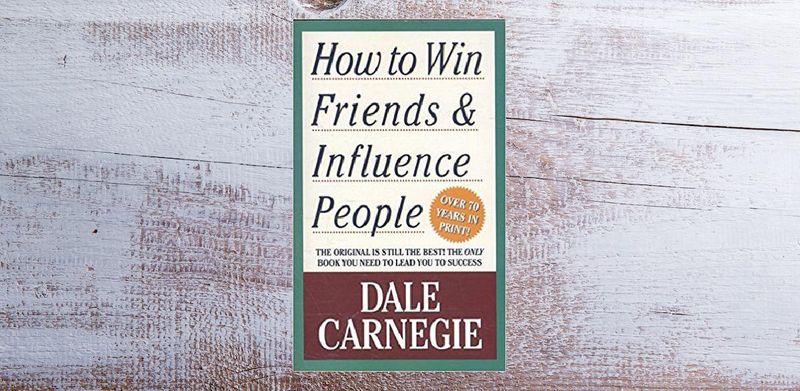
1. How to Win Friends and Influence People
Recommended by 44 leaders, including James Clear, Ramit Sethi and Ronn Torossian
Dale Carnegie turned the human relations and public speaking classes he ran in New York into plain rules for making a good first impression, persuading others to a point of view and correcting people without causing offense. Derek Sivers thinks a better title would have been How to Be Considerate.

2. Made to Stick: Why Some Ideas Survive and Others Die
by Chip Heath, Dan Heath
Recommended by 5 leaders, including Bill Liao, Ola Olusoga and Raluca Radu
Chip and Dan Heath explain why certain messages stay in memory while others fade, using six traits summed up as SUCCES, from simplicity and surprise to concrete detail and stories. Bill Liao credits it with showing him how surprising stories strengthen start-up pitches.
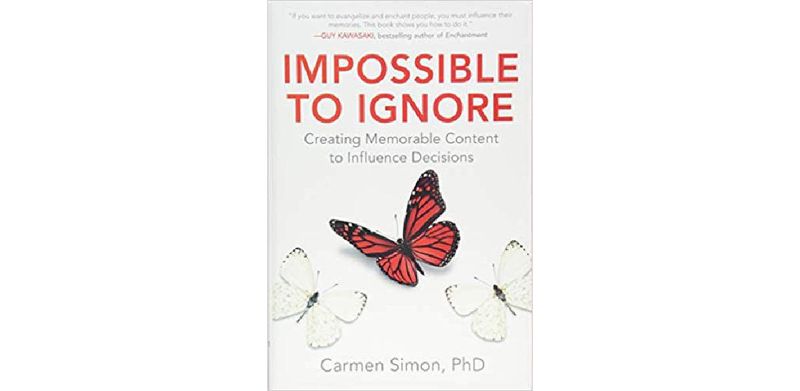
3. Impossible to Ignore: Creating Memorable Content to Influence Decisions
by Carmen Simon
Recommended by 3 leaders: Scott Adams, Robert B. Cialdini and Guy Kawasaki
Carmen Simon uses neuroscience and cognitive psychology to show how presenters can influence what an audience remembers, with a three-step plan applied to presentations, meetings, training sessions and sales pitches. Scott Adams recommends it for its science on how surprise aids memory.
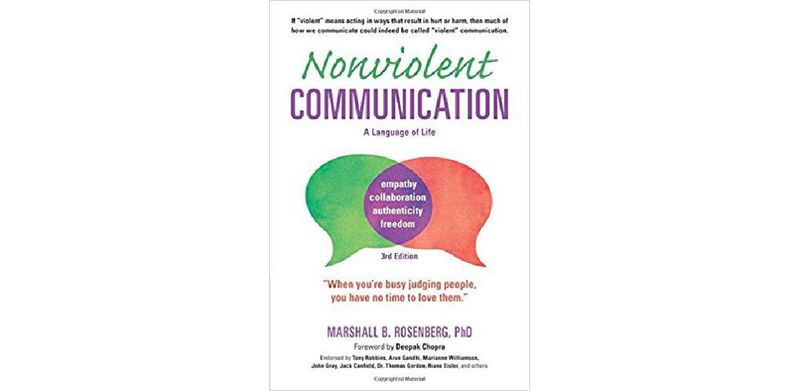
4. Nonviolent Communication
Recommended by 2 leaders: Satya Nadella and Thomas Graziani
Marshall B. Rosenberg teaches a way to state feelings and needs, listen with empathy and settle disputes at home, at work and in politics without judging or blaming. Satya Nadella recommends it, and Thomas Graziani values its lessons on communicating without creating conflict.
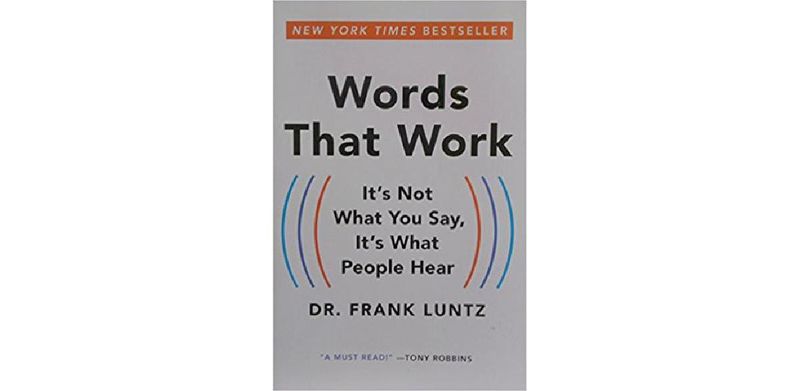
5. Words That Work: It’s Not What You Say, It’s What People Hear
Recommended by 2 leaders: Ryan Holiday and Brian Burkhart
Communications expert Frank Luntz shows how word choice shapes what people buy, vote for and believe, setting out rules for successful communication drawn from corporate, campaign and everyday cases. Ryan Holiday argues that the choice of words really does matter.
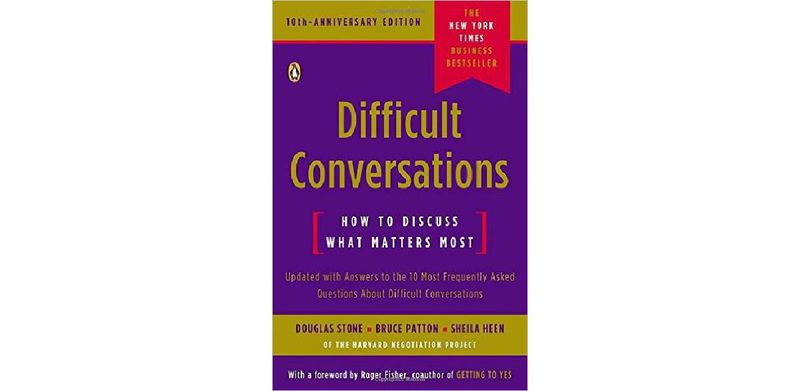
6. Difficult Conversations: How to Discuss What Matters Most
by Douglas Stone, Bruce Patton, Sheila Heen
Recommended by 2 leaders: Bogdan Lucaciu and Gabriel Weinberg
Drawing on the Harvard Negotiation Project, Douglas Stone, Bruce Patton and Sheila Heen show how to open a hard talk without provoking defensiveness, hear what goes unsaid and stay steady under accusation. Bogdan Lucaciu says it moved him from arguing about who is right toward learning.
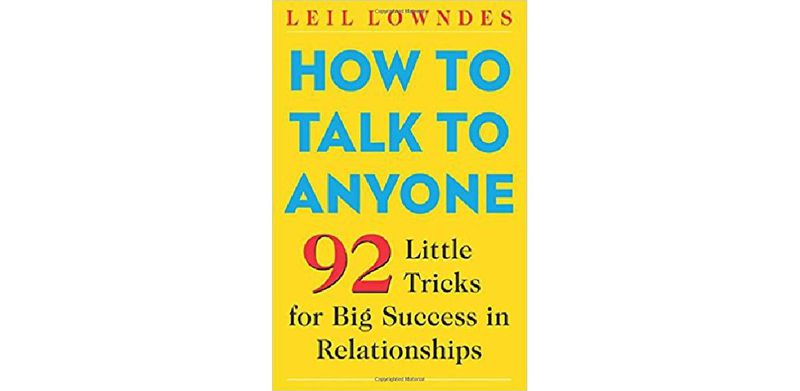
7. How to Talk to Anyone: 92 Little Tricks for Big Success in Relationships
by Leil Lowndes
Recommended by 2 leaders: Nicolas Jouvenceau and Sarissa Rodriguez-Schwartz
Leil Lowndes gathers 92 named techniques for first impressions, small talk, body language and building rapport in social and business settings. Sarissa Rodriguez-Schwartz uses it for networking and remembers its advice to discuss people’s work in the jargon of their own field.
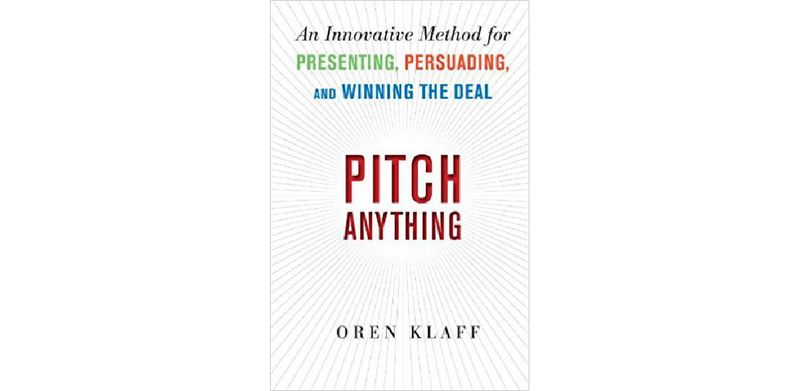
8. Pitch Anything: An Innovative Method for Presenting, Persuading, and Winning the Deal
by Oren Klaff
Recommended by 2 leaders: Michael Herrmann and Jeff Gibbard
Oren Klaff lays out the pitching method he used to raise money, a sequence of frame, story, intrigue, prize, hookpoint and decision grounded in how the brain reacts to a pitch. Jeff Gibbard credits its lessons on frame control for gains in sales and public speaking.
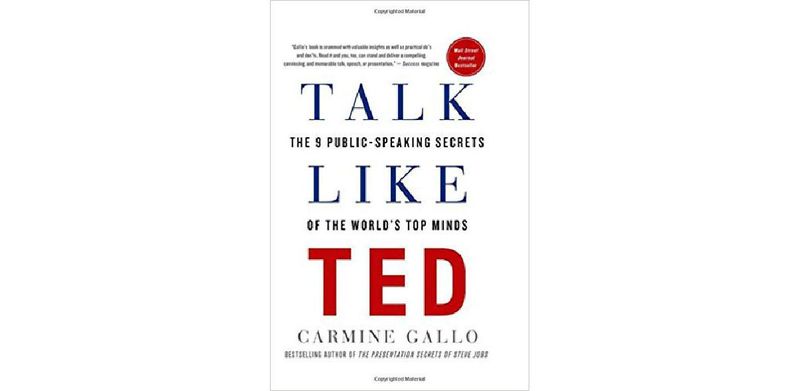
9. Talk Like TED: The 9 Public-Speaking Secrets of the World’s Top Minds
Recommended by 2 leaders: Radu Marcusu and Shaen Yeo
Public speaking coach Carmine Gallo analyzed hundreds of TED talks and interviewed popular presenters to distill nine habits that make a presentation persuasive and memorable. Radu Marcusu says the framework greatly improved a conference speech he gave, and Shaen Yeo reworked her delivery using its suggestions.
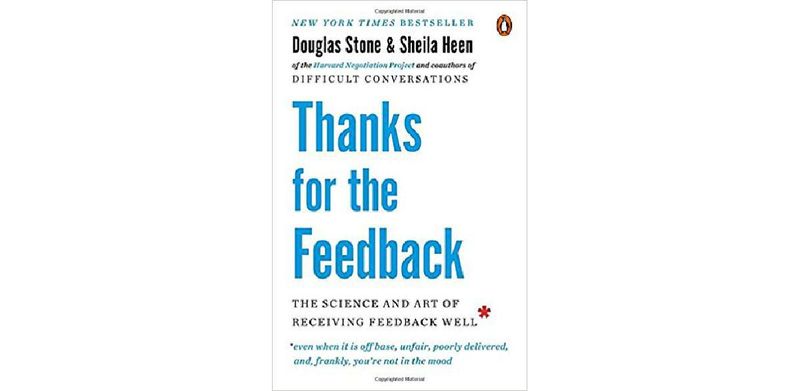
10. Thanks for the Feedback: The Science and Art of Receiving Feedback Well
Recommended by 3 leaders: Andra Zaharia, Chris Benko and Alan Echtenkamp
Douglas Stone and Sheila Heen shift attention to the person on the receiving end of feedback, with a framework for handling evaluations, passing comments and unsolicited advice from bosses, colleagues and family. Alan Echtenkamp suggests it for anyone facing a performance appraisal.
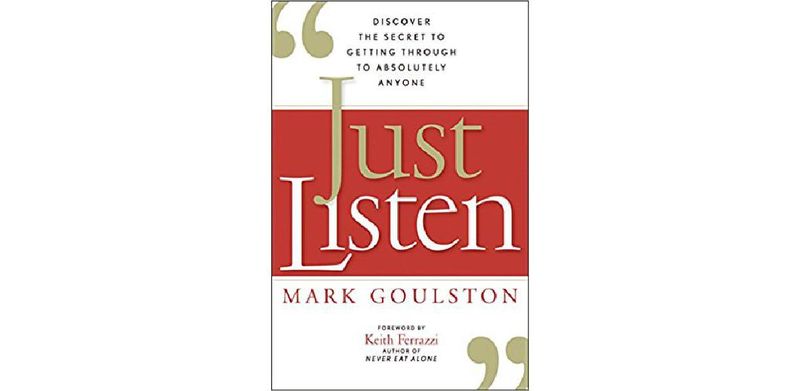
11. Just Listen: Discover the Secret to Getting Through to Absolutely Anyone
Recommended by 1 leader: Bill Liao
Psychiatrist and coach Mark Goulston argues that persuading anyone starts with getting them to listen, and gives techniques for helping a stranger feel heard and for calming an angry or aggressive person so a reasoned exchange becomes possible. Bill Liao recommends it.
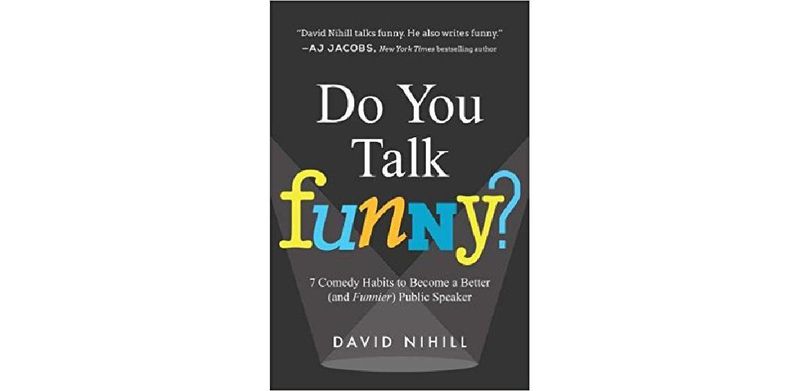
12. Do You Talk Funny?: 7 Comedy Habits to Become a Better (and Funnier) Public Speaker
by David Nihill
Recommended by 1 leader: Neal O'Gorman
Afraid of public speaking, David Nihill spent a year performing as a comedian, then turned what stand-up taught him into seven habits covering story structure, humor, stage fright, delivery and timing. Neal O’Gorman now uses its techniques, such as the rule of three, when presenting.
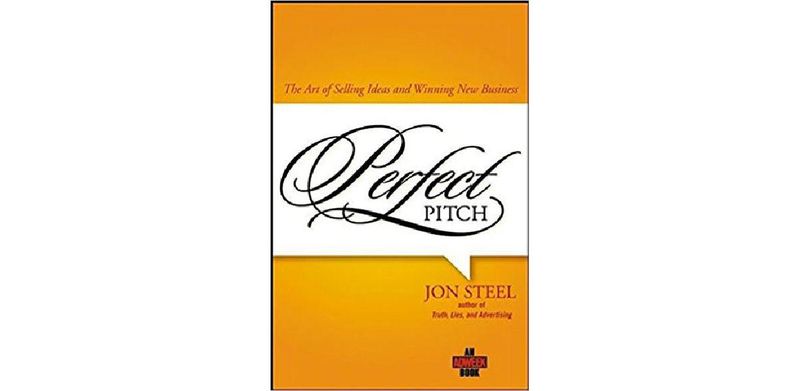
13. Perfect Pitch: The Art of Selling Ideas and Winning New Business
by Jon Steel
Recommended by 1 leader: Bogdana Butnar
Pitching coach Jon Steel covers the whole process of winning new business through presentations, from everyday presentation crimes and how audiences think to building the team, rehearsing and preparing documents for the client. Bogdana Butnar includes it on her reading list for young people in advertising.
14. Resonate: Present Visual Stories that Transform Audiences
by Nancy Duarte
Recommended by 1 leader: Brian Burkhart
Nancy Duarte applies story structure to presentations, treating listeners as the hero of the talk and the speaker as their guide, and uses conflict and resolution to move listeners to act. Brian Burkhart disagreed with parts of her method yet says it confirmed he was onto something.

15. Speaking Peace: Connecting with Others Through Nonviolent Communication
Recommended by 1 leader: Bogdan Lucaciu
Marshall B. Rosenberg presents his four-part model of nonviolent communication: using empathy to calm tense exchanges, dropping speech habits that block compassion and seeing a situation through another person’s eyes. Bogdan Lucaciu says Rosenberg’s work improved his personal and professional relationships.
16. Talking from 9 to 5: Women and Men at Work
Recommended by 1 leader: Magda Marcu
Deborah Tannen applies her research on conversational style to the workplace, showing how differences in the way men and women talk affect whose ideas get heard, how blame is handled and who advances. Magda Marcu describes its lessons on word choice, tone and phrasing at work.
17. Thank You for Arguing: What Cicero, Shakespeare and the Simpsons Can Teach Us About the Art of Persuasion
Recommended by 1 leader: Angela Pham
Jay Heinrichs teaches rhetoric through examples from Cicero and Lincoln to Bart Simpson, with classical tools for moving listeners to act, the coded language of politicians and a guide to spotting figures of speech. Angela Pham bought it after a fellow altMBA participant persuaded her.
18. The Language of Trust: Selling Ideas in a World of Skeptics
by Michael Maslansky, Scott West, Gary DeMoss, David Saylor
Recommended by 2 leaders: Thomas L. Harrison and Cathy Weatherford
Michael Maslansky and his coauthors draw on consumer research to show which words to keep and which to drop with skeptical audiences, and how to build a message that earns trust. Cathy Weatherford points marketers, advisors and communicators of all kinds to its lessons.
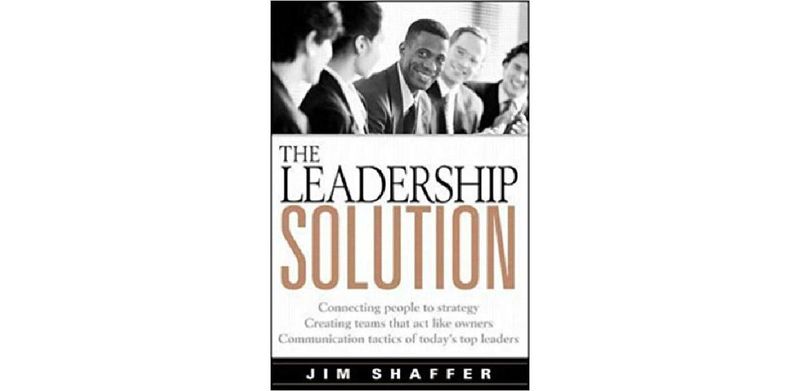
19. The Leadership Solution
by Jim Shaffer
Recommended by 1 leader: Michael Voss
Jim Shaffer sets out a six-step plan for leadership communication, drawn from Towers Perrin’s work helping Fortune 500 companies keep employees focused on strategy, with practical lists for connecting people to goals. Michael Voss praises its common-sense steps for any communicator.

20. The Minto Pyramid Principle: Logic in Writing, Thinking, & Problem Solving
Recommended by 1 leader: Patricia Reed
Barbara Minto argues that ideas arranged as a pyramid are easier to write and to read, and gives a method for building reasoning into clear documents for clients, colleagues and boards. Patricia Reed points would-be consultants to it for business writing while warning that it is dry.
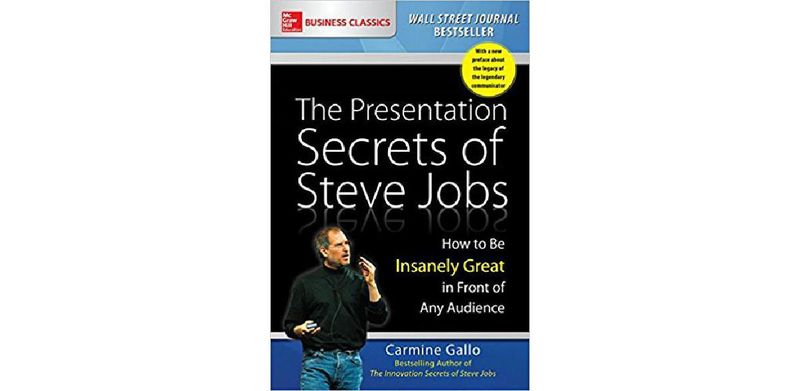
21. The Presentation Secrets of Steve Jobs: How to Be Insanely Great in Front of Any Audience
Recommended by 1 leader: Jack H. M. Wong
Communications expert Carmine Gallo breaks down the Apple co-founder’s product launches and keynotes into a method for planning, delivering and refining a presentation, from taking charge of a room to staging memorable moments. Gallo aims it at executives, founders and anyone who must persuade an audience.
22. The Storyteller’s Secret: From TED Speakers to Business Legends, Why Some Ideas Catch On and Others Don’t
Recommended by 1 leader: Julia Enthoven
Carmine Gallo collects lessons from leaders who name storytelling as central to their success, from a pastor’s son who beat a fear of public speaking to the presentation that helped Tokyo win the Olympics. Julia Enthoven uses it to shape how she tells the Kapwing origin story.
23. Time to Think: Listening to Ignite the Human Mind
by Nancy Kline
Recommended by 1 leader: Catherine Hodgson
Nancy Kline describes ten behaviours that make up a Thinking Environment, centred on rare and attentive listening, with a step-by-step method for meetings, problem solving and relationships. Catherine Hodgson names it among the books she recommends to business leaders.
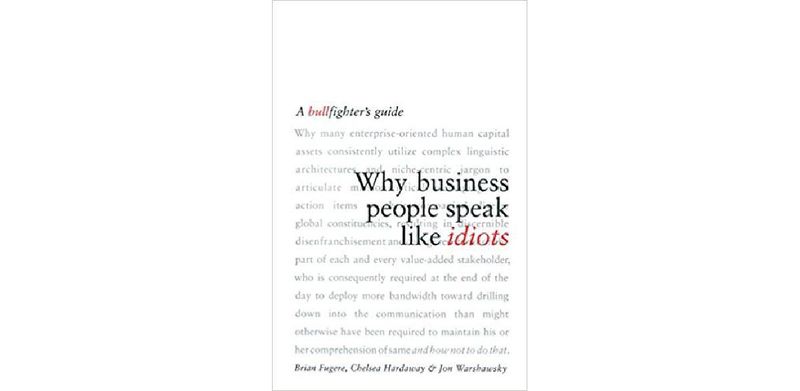
24. Why Business People Speak Like Idiots
by Brian Fugere, Chelsea Hardaway, Jon Warshawsky
Recommended by 1 leader: Michael Voss
The team behind the Bullfighter software takes on jargon-heavy corporate speech, naming traps such as obscurity, anonymity and the hard sell that make professionals harder to hear and less authentic. Michael Voss enjoyed its observations on why business people fall back on acronyms.

25. Pitch Perfect: How to Say It Right the First Time, Every Time
by Bill McGowan
Recommended by 1 leader: Sheryl Sandberg
Media coach Bill McGowan shows how to shape a message and get it across with fitting words, tone and body language, organized around his Principles of Persuasion, and how to avoid common communication pitfalls. Sheryl Sandberg says his advice gives readers a real chance to be heard.
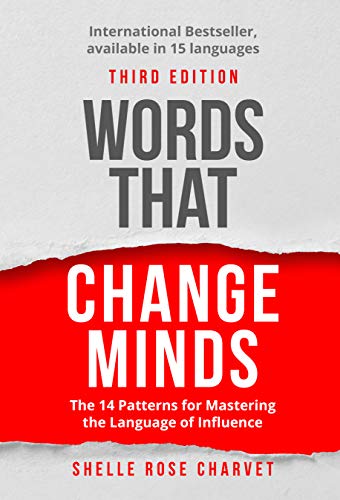
26. Words That Change Minds: The 14 Patterns for Mastering the Language of Influence
Recommended by 1 leader: Seth Godin
Shelle Rose Charvet describes 14 language patterns that fit how each listener gets motivated, processes information and decides, treating any communication problem at work or home as something that can be decoded. Seth Godin endorses her account of the shift in power to the customer.
Also worth reading
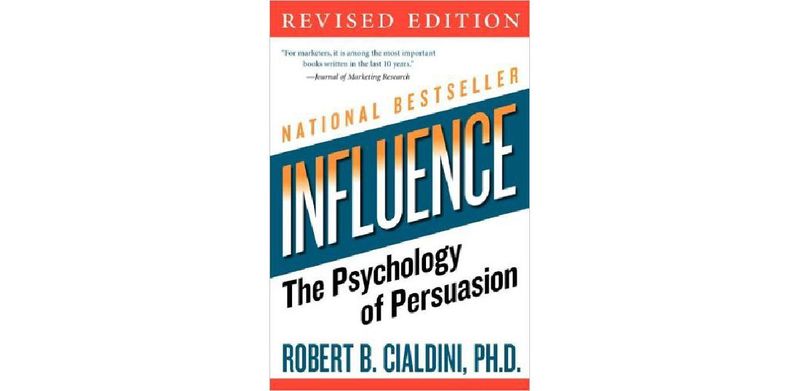
27. Influence: The Psychology of Persuasion
Recommended by 23 leaders, including Charlie Munger, Naval Ravikant and David Heinemeier Hansson
Robert B. Cialdini’s study is mainly about the mental shortcuts that compliance professionals exploit, such as reciprocation, social proof and scarcity. For communicators it explains why some requests win agreement, and Charlie Munger says no other scientist shaped his thinking on the subject more.
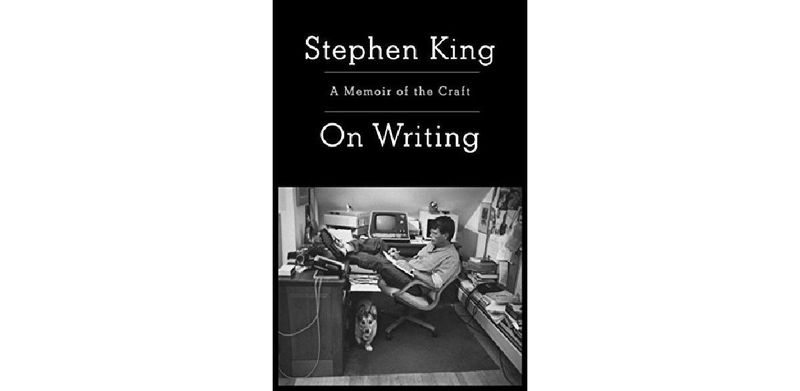
28. On Writing: A Memoir Of The Craft
by Stephen King
Recommended by 7 leaders, including Mark Manson, Ramit Sethi and Alina Vârlănuță
Stephen King’s book is mainly a memoir and craft guide for aspiring fiction writers, with a toolbox section on vocabulary, grammar and style. Mark Manson counts it among the few books on writing that stuck with him while preparing his own first book.

29. Contagious: Why Things Catch On
by Jonah Berger
Recommended by 5 leaders, including Erik Cheong, Vincenzo Ruggiero and Gilles Bernhard
Jonah Berger’s study of word of mouth is mainly a marketing book, identifying six principles behind why ideas, products and stories get shared. Its advice on designing messages people pass on changed how Nicolas Jouvenceau communicated about his products.
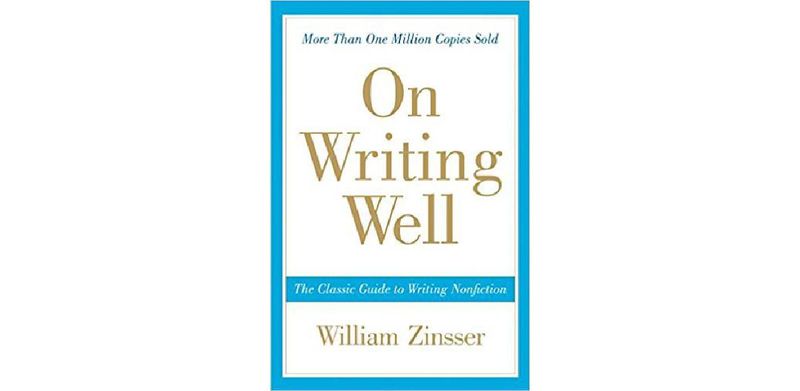
30. On Writing Well: The Classic Guide to Writing Nonfiction
Recommended by 4 leaders, including Mark Manson, Tim O'Reilly and Pat Walls
William Zinsser’s guide is mainly about the craft of nonfiction, with advice on clarity, jargon and writing about business, science, places and people. Tim O’Reilly finds that it reflects many of his own beliefs on writing well.
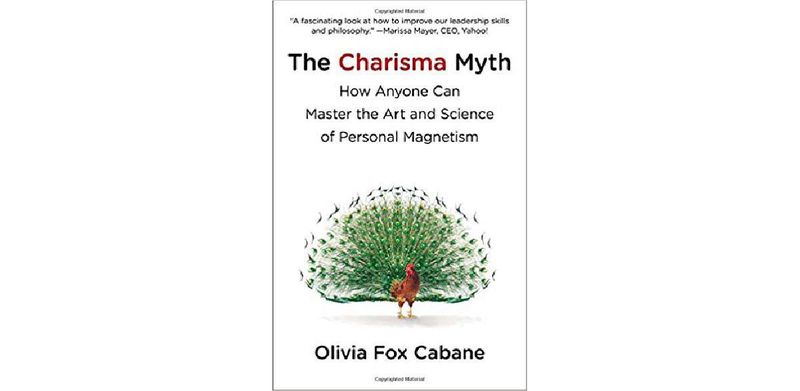
31. The Charisma Myth: How Anyone Can Master the Art and Science of Personal Magnetism
Recommended by 4 leaders, including Marissa Mayer, Dr. Monali Y. Desai and Nicky Cullen
Olivia Fox Cabane treats charisma as learnable, splitting it into presence, power and warmth and turning each into practices. It is mainly about personal magnetism, but Dr. Monali Y. Desai values its many small takeaways on improving how she communicates with others.
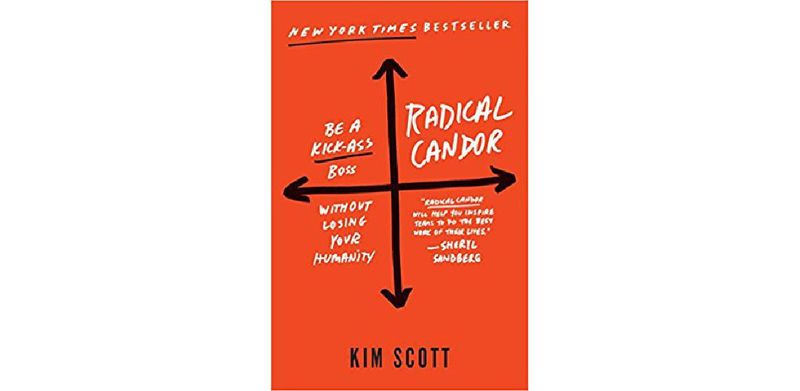
32. Radical Candor: Be a Kick-Ass Boss Without Losing Your Humanity
by Kim Scott
Recommended by 4 leaders, including Daniel Pink, Christopher Lochhead and Thomas Graziani
Kim Scott’s management book centers on feedback, urging bosses to care personally while challenging directly through clear, kind praise and criticism. It is mainly about leading teams, and Thomas Graziani expects it to improve his relationships with colleagues.

33. The Mom Test: How to talk to customers & learn if your business is a good idea when everyone is lying to you
Recommended by 3 leaders: Roxana Bitoleanu, Mikhail Dubov and Chandini Jain
Rob Fitzpatrick’s guide is mainly about testing a business idea, but its core skill is conversation: asking customers questions that draw out the truth rather than polite lies. Roxana Bitoleanu says nothing else teaches how to ask without sounding too eager or revealing too much.

34. Winning the Story Wars: Why Those Who Tell (and Live) the Best Stories Will Rule the Future
by Jonah Sachs
Recommended by 4 leaders, including Cat Williams-Treloar, Deepak Chopra and Kumi Naidoo
Jonah Sachs argues that brand and cause messages break through media noise only when built on great stories, drawing on mythology, psychology and advertising history. It is mainly a marketing book, and Kumi Naidoo endorses its case for storytelling as a way to move people to act.
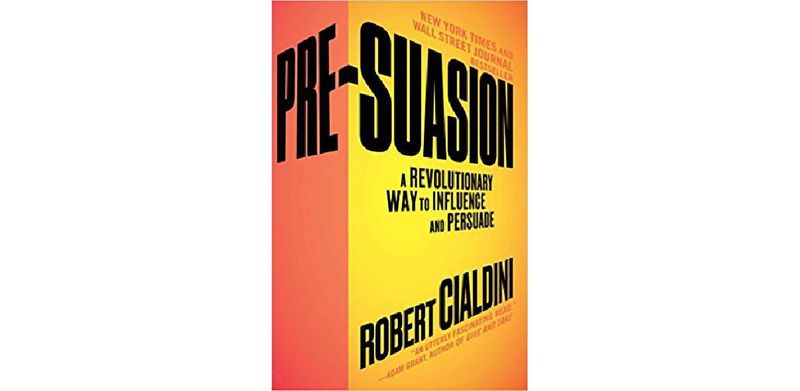
35. Pre-Suasion: A Revolutionary Way to Influence and Persuade
Recommended by 2 leaders: Naval Ravikant and Alex Hormozi
Robert B. Cialdini argues that persuasion depends on the moment before a message is delivered, showing how communicators can prepare an audience by redirecting its attention. It is mainly a book on the psychology of influence, and Alex Hormozi recommends it.
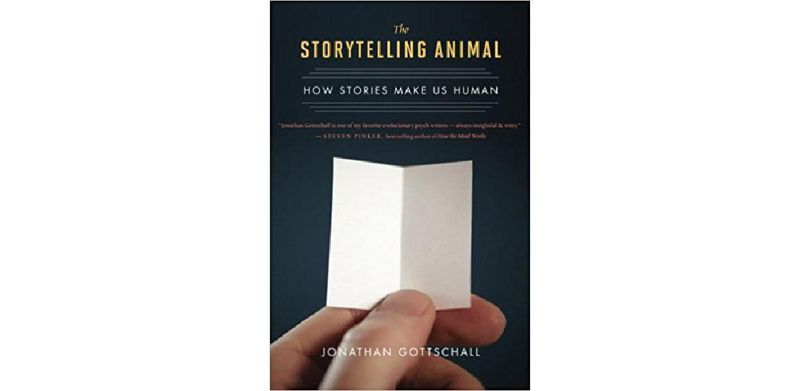
36. The Storytelling Animal: How Stories Make Us Human
Recommended by 2 leaders: Bill Gurley and Park Howell
Jonathan Gottschall offers a theory of why humans tell stories, drawing on neuroscience, psychology and evolutionary biology, and looks at how stories change behavior. It is mainly about the story instinct itself, and Bill Gurley calls it an amazing book.
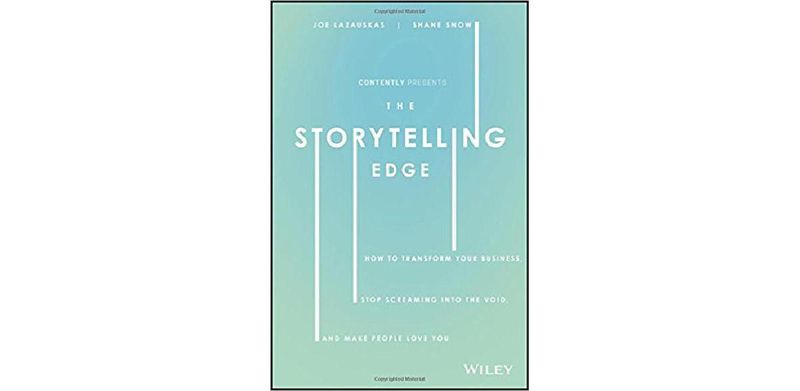
37. The Storytelling Edge: How to Transform Your Business, Stop Screaming into the Void, and Make People Love You
Recommended by 3 leaders: Scott Belsky, Sol Orwell and Jay Baer
Contently’s Shane Snow and Joe Lazauskas show how businesses can use stories to reach customers, covering the neuroscience of storytelling and what makes a story work. It is mainly about content marketing, and Jay Baer sees it as a case for rethinking how a business communicates.
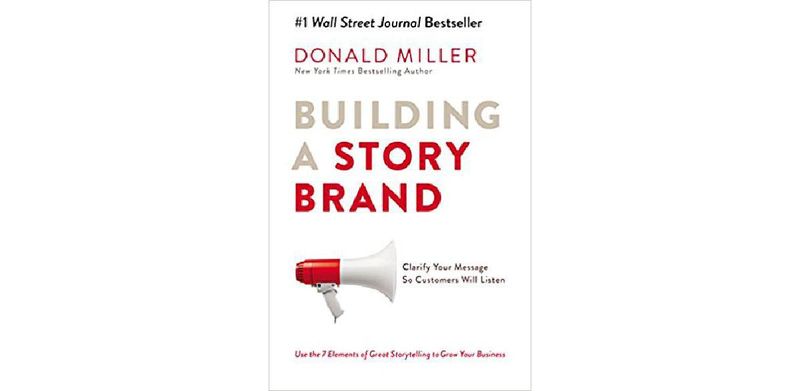
38. Building a Story Brand: Clarify Your Message So Customers Will Listen
Recommended by 2 leaders: Nick Loper and Sa El
Donald Miller’s StoryBrand Framework is mainly a marketing method for simplifying a brand message around seven story points so customers understand an offer and act on it. Sa El values it for showing how to tell a company’s story so customers grasp the offer and see themselves as the hero.
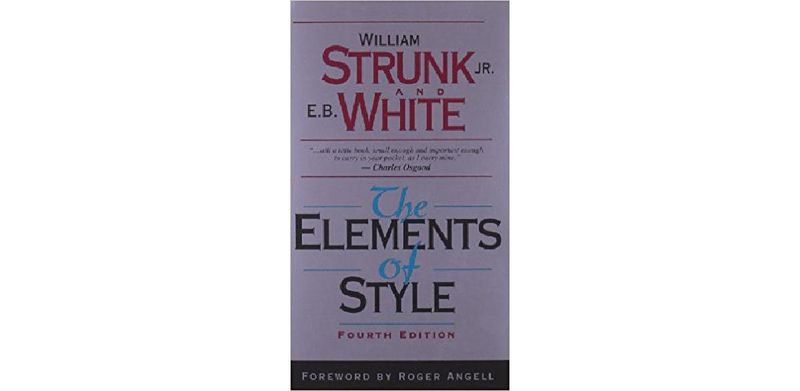
39. The Elements of Style
by William Strunk, E. B. White
Recommended by 2 leaders: Alina Vârlănuță and Jennifer Rock
William Strunk Jr. and E. B. White’s short guide is mainly about English usage and composition, with rules on omitting unneeded words and favoring active verbs. Jennifer Rock recommends it.
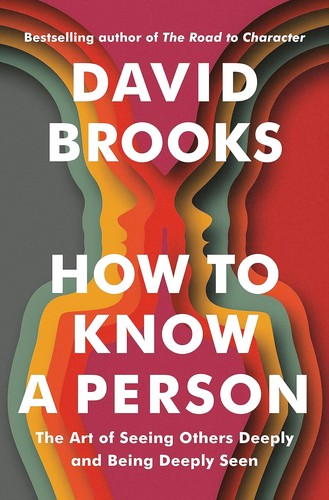
40. How to Know a Person
by David Brooks
Recommended by 1 leader: Bill Gates
David Brooks argues that seeing another person deeply and making them feel understood is a basic human skill, and asks what kind of attention to give and which conversations to have. Bill Gates prefers it to Brooks’s earlier The Road to Character.

41. Don’t Think of an Elephant!: Know Your Values and Frame the Debate — The Essential Guide for Progressives
Recommended by 1 leader: Ryan Holiday
George Lakoff’s guide is mainly about American political framing, explaining how values and word choice shape public debate and how progressives can reframe issues. Ryan Holiday ranks it among the best books on shaping public perception through words.
42. Talking to Strangers: What We Should Know about the People We Don’t Know
Recommended by 1 leader: Ryan Holiday
Malcolm Gladwell examines why people misread strangers, through cases from Bernie Madoff to Sandra Bland and the truth-default theory of Timothy R. Levine. It is mainly about trust and deception rather than technique, and Ryan Holiday finished it in one sitting.

43. Spin: How to Turn the Power of the Press to Your Advantage
Recommended by 1 leader: Ronn Torossian
Michael S. Sitrick’s guide is mainly about public relations, with strategies for managing reporters and an outline for handling a crisis, told through celebrity scandals. Ronn Torossian calls it an insider’s handbook to crisis communications.
44. Everybody Writes: Your Go-To Guide to Creating Ridiculously Good Content
by Ann Handley
Recommended by 2 leaders: David Meerman Scott and Brian Clark
Ann Handley’s guide is mainly about writing for content marketing, stressing economy, style and empathy for customers and covering how to tell a true story well. David Meerman Scott calls it the only guide a content writer needs.
45. If Only I’d Listen To Myself: Resolving The Conflicts That Sabotage Our Lives
by Jacques Salomé, Sylvie Galland
Recommended by 1 leader: Andra Zaharia
Treating communication and self-knowledge as skills that can be learned, Jacques Salomé and Sylvie Galland give methods for building a clearer identity and handling interpersonal conflict. It is mainly a self-help course, and Andra Zaharia read it during a crisis in her closest relationships.
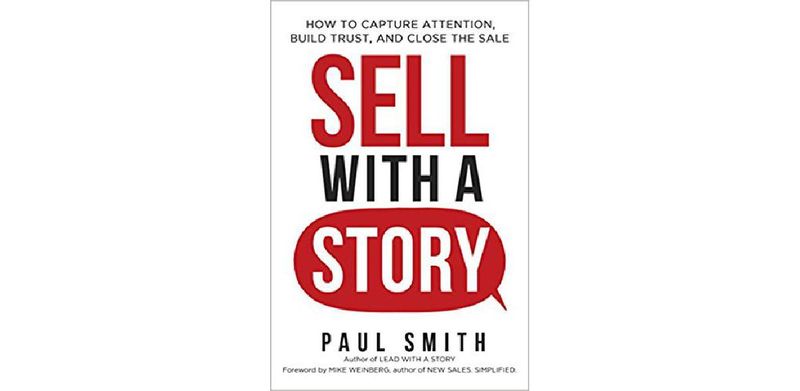
46. Sell with a Story: How to Capture Attention, Build Trust, and Close the Sale
by Paul Smith
Recommended by 1 leader: Robert Hajnal
Paul Smith applies storytelling to selling, showing how to build a sales story from a challenge, the conflict it creates and its resolution in order to build rapport, handle objections and make data vivid. Robert Hajnal is using it to learn how to build a story behind a product.

47. The Art of Woo: Using Strategic Persuasion to Sell Your Ideas
by G. Richard Shell, Mario Moussa
Recommended by 1 leader: Winston Ma
G. Richard Shell and Mario Moussa teach a four-step process for selling ideas inside organizations through relationship-based persuasion, with self-assessments to find a natural persuasion style. It is mainly about persuasion, and Winston Ma recommends it.
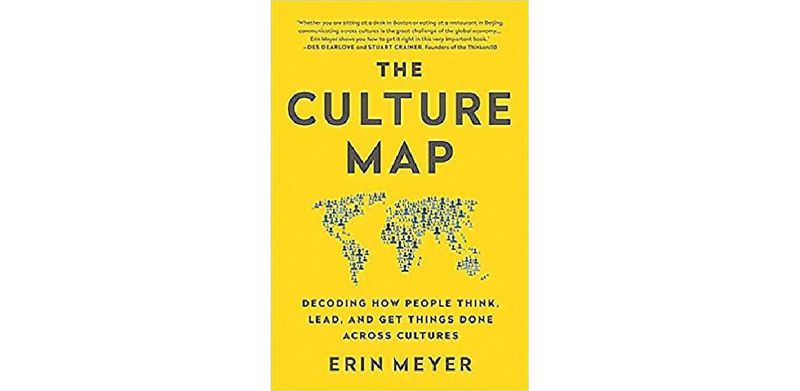
48. The Culture Map
by Erin Meyer
Recommended by 1 leader: Paulo Rosado
Erin Meyer’s model is mainly about international business, but much of it concerns how criticism, hierarchy and feedback are expressed differently from country to country. Paulo Rosado uses its framework to understand why his Dutch, Portuguese, British and American staff react as they do.
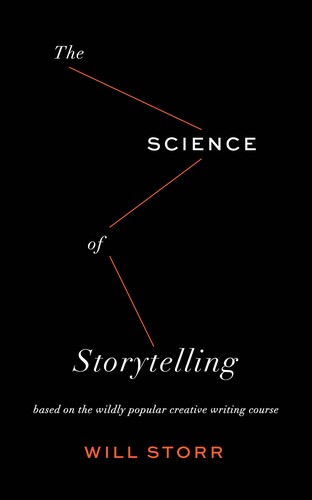
49. The Science of Storytelling
by Will Storr
Recommended by 1 leader: Morgan Housel
Drawing on psychological research and neuroscience, Will Storr explains the effect stories have on the brain and what makes some stories stronger than others. It is mainly a craft book for storytellers, and Morgan Housel loved its case that the best story wins.
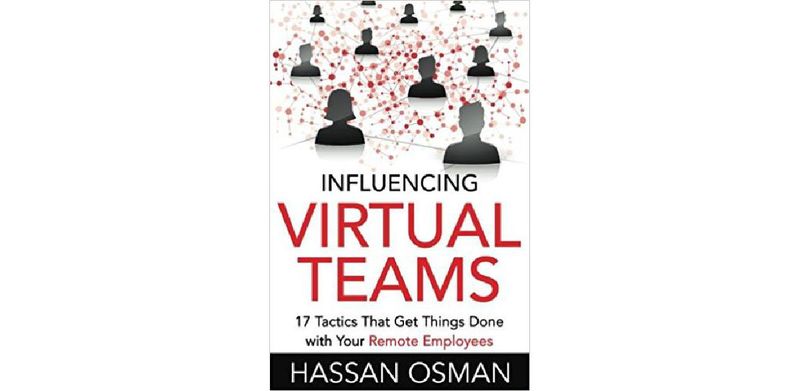
50. Influencing Virtual Teams: 17 Tactics That Get Things Done with Your Remote Employees
by Hassan Osman
Recommended by 1 leader: Tom Moor
Hassan Osman offers 17 persuasion tactics for managing remote employees, including email subject lines that get replies, meeting practices and voice messages. It is mainly about remote management, and Tom Moor stresses that clarity and efficiency in communication are paramount when a team is remote.