Best HR Books: 26 Picks Recommended by CEOs
Smart and Gets Things Done by Joel Spolsky leads this list with his methods for finding, screening and interviewing top programmers. Powerful by Patty McCord, once chief talent officer at Netflix, rethinks recruiting, motivation and parting ways with employees, and Inclusion by Jennifer Brown argues that diversity and inclusion are vital to an organization’s survival.
The list is for HR leaders, recruiters, and founders who still do the hiring themselves. The core books cover hiring methods from Lou Adler and from Geoff Smart and Randy Street, Lauren A. Rivera’s study of how elite banks, consultancies and law firms recruit, Zeynep Ton on investing in frontline employees, Elaine Biech on workplace training, and Eric Chester on helping staff perform better and stay longer.
The related tier, under Also worth reading, holds management and culture books with a strong people side: feedback and candor, strengths, culture at Netflix, Semco and Barry-Wehmiller, workplace bias and civility, remote and virtual staff, and career guides written for the people sitting on the other side of the interview table.
We ranked these 26 books by how many of the 1,088 founders, CEOs and leaders on The CEO Library recommend them: first the 9 books mainly about human resources, then 17 related books under Also worth reading.
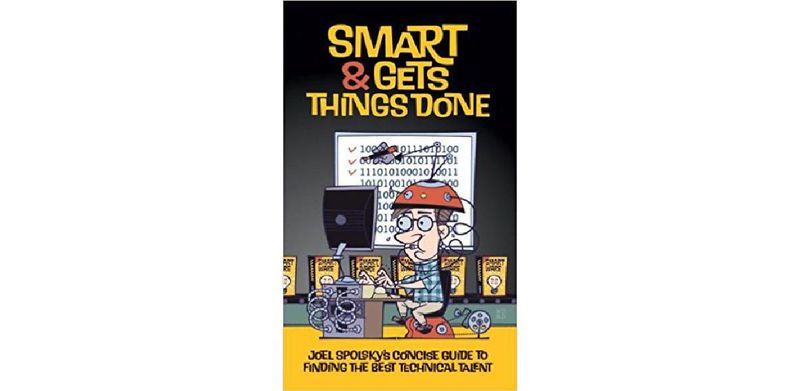
1. Smart and Gets Things Done: Joel Spolsky’s Concise Guide to Finding the Best Technical Talent
Recommended by 4 leaders, including Adam Tornhill, Ivan Bjelajac and Mark Foster
Joel Spolsky argues that a great programmer can outproduce several ordinary ones, so hiring well decides a software company’s fate, and gives his methods for sorting resumes, finding candidates and interviewing them. Mark Foster notes useful tips on where to look and on helping new hires settle in.

2. Powerful: Building a Culture of Freedom and Responsibility
by Patty McCord
Recommended by 2 leaders: Laurene Powell Jobs and Arianna Huffington
Patty McCord, once chief talent officer at Netflix, argues that most companies get recruiting, motivation and team building wrong, and favors radical honesty, parting with people who no longer fit, and challenging work over perks and annual reviews. Laurene Powell Jobs calls it a playbook for workplaces where colleagues thrive.

3. Inclusion: Diversity, the New Workplace & the Will to Change
Recommended by 1 leader: Doug McMillon
Diversity and inclusion expert Jennifer Brown argues that inclusion is vital to an organization’s survival and asks leaders to trade command and control for systems that value differences of identity, background, thinking and style, tied to business results. Doug McMillon recommends it.
4. The Good Jobs Strategy: How the Smartest Companies Invest in Employees to Lower Costs and Boost Profits
by Zeynep Ton
Recommended by 1 leader: Doug McMillon
Zeynep Ton of MIT Sloan argues that poor pay, meager benefits, scant training and erratic schedules are choices low-cost firms make, and shows through Costco, Trader Joe’s and two other retailers how investing in staff can cut costs and lift profits. Doug McMillon named it among his most instructive reads.
5. Hire With Your Head: Using Performance-Based Hiring to Build Great Teams
by Lou Adler
Recommended by 1 leader: Madalina Uceanu
Lou Adler sets out Performance-based Hiring, his method for matching the right candidate to any role, which many thousands of hiring managers and HR staff have used; this edition adds new case studies and more on hiring online. Madalina Uceanu says his writing on headhunting still inspires her.

6. Pedigree: How Elite Students Get Elite Jobs
Recommended by 1 leader: Angela Pham
Lauren A. Rivera observed recruiting at elite banks, consultancies and law firms and shows how their ideas of merit and talent favor applicants from wealthy backgrounds at every stage. Angela Pham says it made her rework her resume and interview candidates more thoughtfully.
7. The Art and Science of Training
by Elaine Biech
Recommended by 1 leader: Armina Sirbu
Elaine Biech, a leading name in talent development, covers the science of workplace learning and the craft of running training when plans go wrong. Armina Sirbu, a decade into people development, tells newcomers to the field to start with it.

8. Who
Recommended by 1 leader: Matthieu David-Experton
Geoff Smart and Randy Street attack failed hiring with their A Method, drawn from interviews with hundreds of chief executives: define the outcomes a role must deliver, keep a steady flow of A Players and ask questions that separate them from weaker candidates. Matthieu David-Experton finds it very useful.
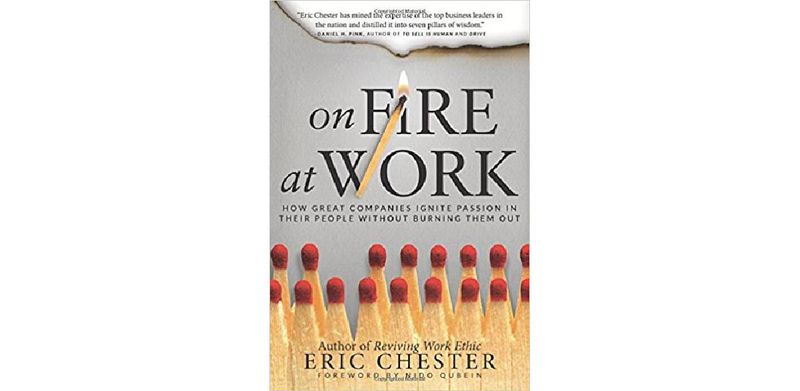
9. On Fire at Work: How Great Companies Ignite Passion in Their People Without Burning Them Out
by Eric Chester
Recommended by 1 leader: Steve Caldiera
For Eric Chester, engagement is where good workplaces start, not where they stop; he interviewed leaders at Wegmans, Marriott, The Container Store, Ben & Jerry’s and smaller firms about helping staff perform better and stay longer. Steve Caldiera praises its strategies for attracting, developing and keeping great employees.
Also worth reading

10. The Making of a Manager: What to Do When Everyone Looks to You
by Julie Zhuo
Recommended by 10 leaders, including Sam Altman, Mike Krieger and Stewart Butterfield
Mainly a guide for new managers, Julie Zhuo’s field notes cover hiring and firing, including whether to hire a candidate whose interview went badly, along with meetings, trust and planning. Stewart Butterfield says Slack handed it to its new managers.
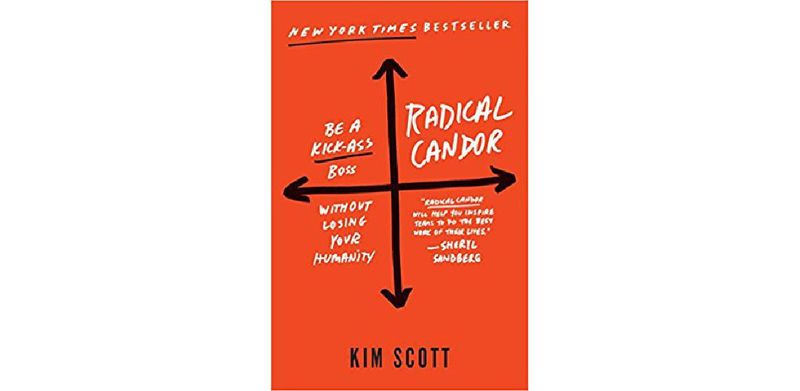
11. Radical Candor: Be a Kick-Ass Boss Without Losing Your Humanity
by Kim Scott
Recommended by 4 leaders, including Daniel Pink, Christopher Lochhead and Thomas Graziani
Mainly a management book, Kim Scott’s framework of caring personally while challenging directly sorts feedback into four behaviors, from ruinous empathy to radical candor, a guide to the praise and criticism managers owe their people. Daniel Pink praises its guidance on giving and receiving feedback.
12. Now, Discover Your Strengths: How To Develop Your Talents And Those Of The People You Manage
by Marcus Buckingham, Donald O. Clifton
Recommended by 3 leaders: Sheryl Sandberg, Michael Woodward and Michael Voss
Marcus Buckingham and Gallup’s Donald O. Clifton argue for building on strengths rather than repairing flaws, using the StrengthsFinder assessment, which reports a person’s five top themes out of 34. Sheryl Sandberg credits it with shaping Facebook’s approach to developing its people.
13. Everybody Matters: The Extraordinary Power of Caring for Your People Like Family
Recommended by 4 leaders, including Simon Sinek, Doug McMillon and Ron Shaich
Mainly a leadership philosophy: Bob Chapman and Raj Sisodia describe how Barry-Wehmiller treats employees like family, and how in the recession it avoided mass layoffs by cutting costs in caring ways, such as a month’s unpaid leave. Simon Sinek points to Chapman as an example of putting people first.
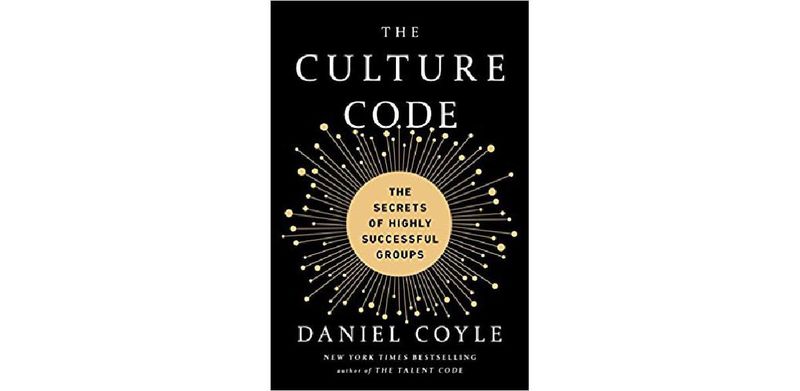
14. The Culture Code: The Secrets of Highly Successful Groups
by Daniel Coyle
Recommended by 2 leaders: Bryan Callen and Charles Duhigg
Mainly about group culture, Daniel Coyle visits the San Antonio Spurs, Pixar, IDEO and SEAL Team Six to find three skills that build cohesion, with advice on repairing a toxic culture and building trust. Charles Duhigg calls it the best guide to how successful groups signal and speak.

15. Nine Lies About Work: A Freethinking Leader’s Guide to the Real World
by Marcus Buckingham, Ashley Goodall
Recommended by 2 leaders: Adam Grant and Ali Abdaal
Marcus Buckingham and Cisco’s Ashley Goodall challenge nine common beliefs about work, for instance that people want constant feedback, that culture drives success, and that competencies need measuring and weaknesses fixing. Adam Grant calls it one of the most provocative books on work he has read.
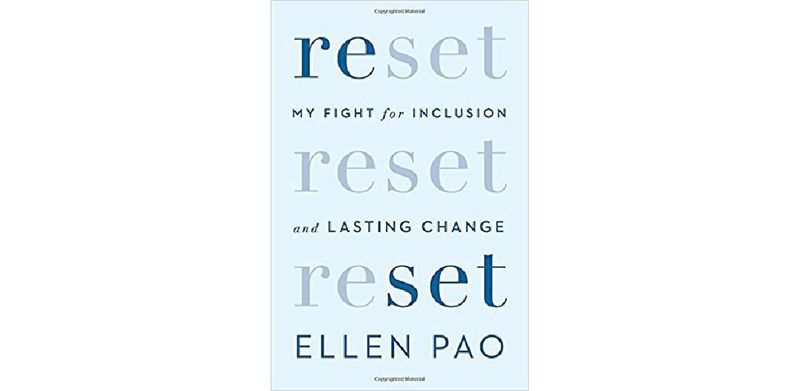
16. Reset: My Fight for Inclusion and Lasting Change
by Ellen Pao
Recommended by 2 leaders: Eric Ries and Audrey Russo
Ellen Pao recounts her discrimination and retaliation lawsuit against Kleiner Perkins, where she says women and people of color were shut out of key meetings, dinners and trips, a personal account of workplace bias rather than a manual. Eric Ries describes it as a whistleblower’s fight against discrimination in tech.
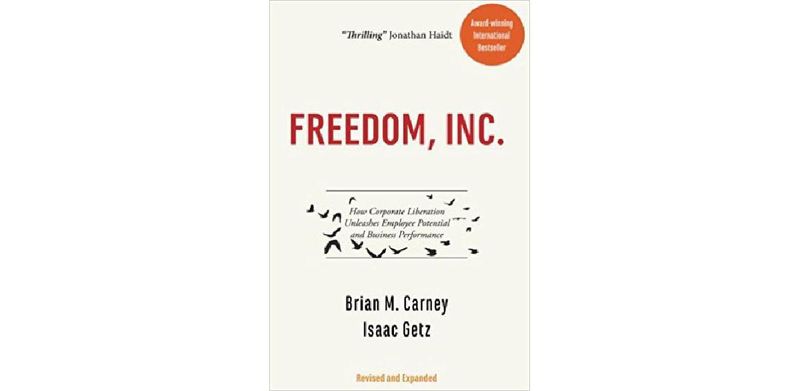
17. Freedom, Inc.: How Corporate Liberation Unleashes Employee Potential and Business Performance
by Brian M. Carney, Isaac Getz
Recommended by 2 leaders: Mehdi Kajbaf and Nicolae Andronic
Mainly about management, Brian M. Carney and Isaac Getz profile liberated companies such as Harley-Davidson, USAA and Gore & Associates, which dropped top-down control in favor of trust and let employees use their own judgment. Nicolae Andronic describes it as a study of firms that drop the chain of command.
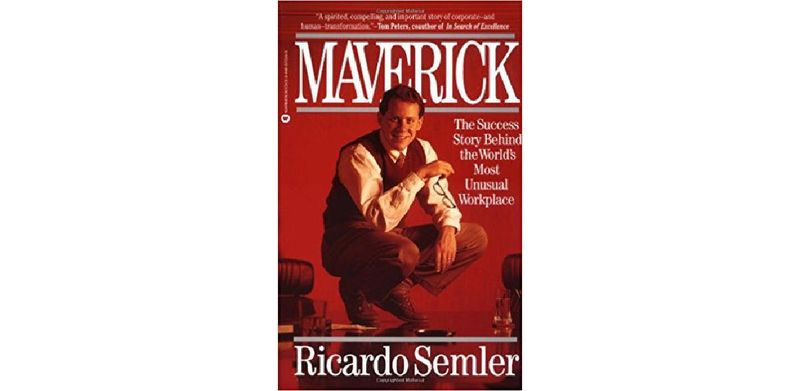
18. Maverick: The Success Story Behind the World’s Most Unusual Workplace
Recommended by 2 leaders: Joel Gascoigne and Mehdi Kajbaf
Mainly a management memoir: Ricardo Semler describes letting Semco employees set their own quotas and schedules, read the company’s financials, share in profits and rotate jobs after he dismissed a layer of senior managers. Joel Gascoigne likes that Semler challenges ingrained beliefs, even about the value of growth.
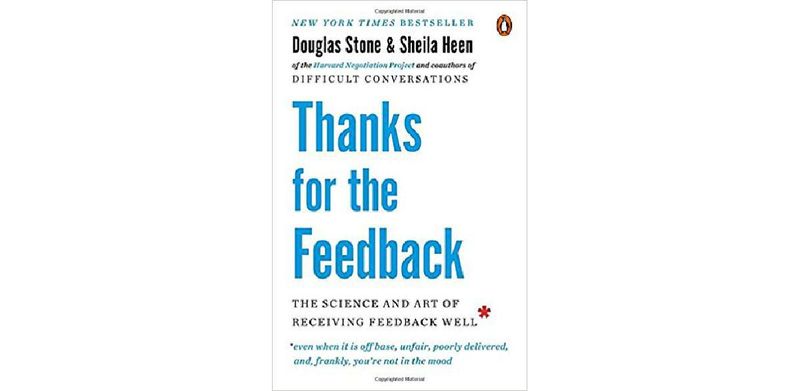
19. Thanks for the Feedback: The Science and Art of Receiving Feedback Well
Recommended by 3 leaders: Andra Zaharia, Chris Benko and Alan Echtenkamp
Douglas Stone and Sheila Heen shift attention from giving feedback to receiving it, arguing that organizations would get more from training receivers, and draw on psychology and years of work with companies. Alan Echtenkamp says anyone facing a performance appraisal should read it.
20. No Rules Rules: Netflix and the Culture of Reinvention
Recommended by 1 leader: Ray Dalio
Reed Hastings and Erin Meyer explain the Netflix culture of freedom and responsibility, including people policies such as no vacation or expense rules and generous severance for merely adequate performers, framed as management principles rather than a personnel manual. Ray Dalio recommends it.
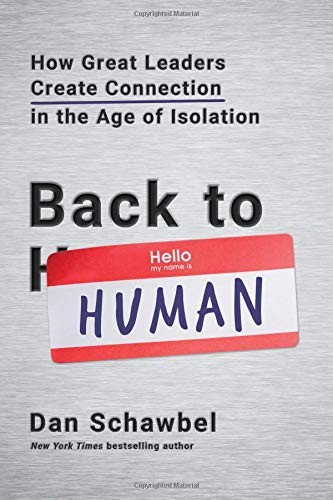
21. Back to Human: How Great Leaders Create Connection in the Age of Isolation
by Dan Schawbel
Recommended by 1 leader: Cal Newport
Dan Schawbel draws on his own surveys of managers and employees in many countries to argue that socially connected staff are more engaged and less likely to burn out or quit, while virtual communication leaves people isolated. Cal Newport calls it an evidence-based case for offline interaction in leading teams.

22. The No Asshole Rule: Building a Civilized Workplace and Surviving One That Isn’t
Recommended by 1 leader: Ronn Torossian
Robert I. Sutton turns a magazine essay into a rule for keeping bullies out of a workplace, with two tests for spotting them and a Dirty Dozen of offending behaviors. Ronn Torossian calls it necessary reading for everyone at his PR firm, 5WPR.
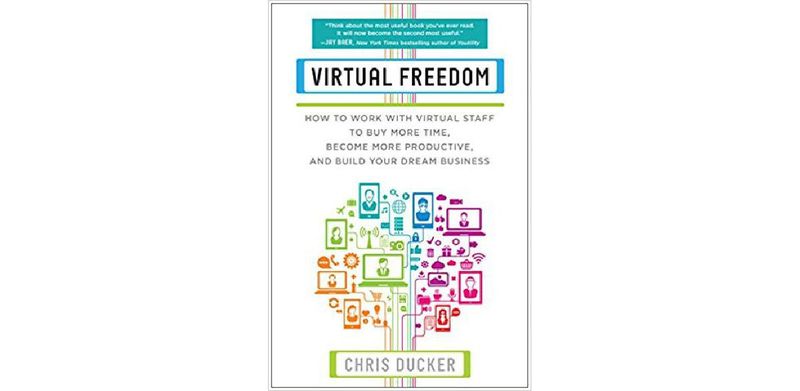
23. Virtual Freedom: How to Work with Virtual Staff to Buy More Time, Become More Productive, and Build Your Dream Business
by Chris Ducker
Recommended by 2 leaders: John Lee Dumas and Pat Flynn
Chris Ducker shows small business owners how to stop doing every job themselves, HR included, by deciding what to hand off and then recruiting, hiring, training and managing virtual assistants. Pat Flynn says it was a book he could not put down.
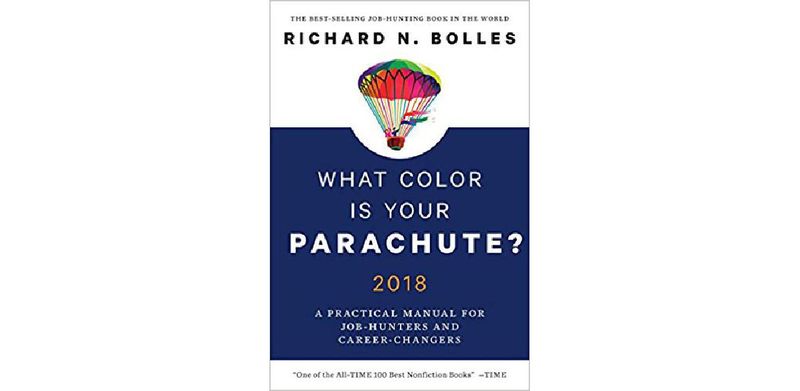
24. What Color Is Your Parachute?
Recommended by 1 leader: Armina Sirbu
Richard N. Bolles wrote for job seekers rather than employers, urging them to find where their best skills and greatest enjoyment overlap and to network their way to whoever can hire them. Armina Sirbu says it showed her that her heart was in training and HR.

25. The Memo: What Women of Color Need to Know to Secure a Seat at the Table
by Minda Harts
Recommended by 1 leader: Cindy Gallop
Minda Harts writes career advice for women of color, naming the barriers in corporate America, from microaggressions to systemic racism, and giving direct counsel on networks, office politics, pay and negotiation, with a roadmap for allies. Cindy Gallop says every white man and woman should read it.
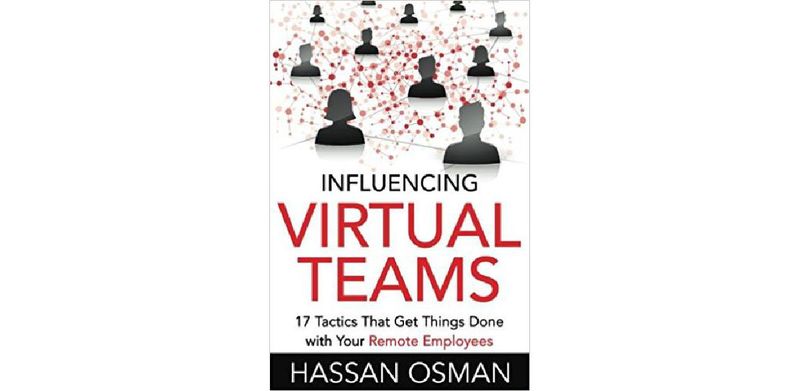
26. Influencing Virtual Teams: 17 Tactics That Get Things Done with Your Remote Employees
by Hassan Osman
Recommended by 1 leader: Tom Moor
Hassan Osman offers 17 persuasion tactics to make remote staff more engaged and committed, from wording requests and email subject lines to setting deadlines and building trust. Tom Moor praises its many actionable ideas for running a distributed team.