Best Product Management Books: 36 Picks Recommended by CEOs
Nir Eyal’s Hooked leads the list with the Hook Model, a four-step cycle for building products people return to out of habit. Getting Real by Jason Fried, David Heinemeier Hansson and Matthew Linderman follows with the simple, small-team principles 37signals used to build Basecamp and other web apps. Sprint by Jake Knapp, John Zeratsky and Braden Kowitz sets out a five-day process for moving from a hard problem to a prototype tested with customers.
The list is for product managers, designers and founders who decide what gets built and need to learn early whether customers want it. The core books cover customer interviews (The Mom Test, Lean Customer Development), testing ideas on the way to product fit (Running Lean, The Lean Product Playbook, Value Proposition Design), innovation built on customer needs (Jobs to Be Done, What Customers Want) and product strategy for technology companies.
Also worth reading gathers books mainly about something else that product teams lean on: startup method from Eric Ries and Steve Blank, usability and design from Steve Krug and Don Norman, disruption from Clayton Christensen, technology marketing in Crossing the Chasm, OKRs, growth hacking and agile development with Scrum.
We ranked these 36 books by how many of the 1,088 founders, CEOs and leaders on The CEO Library recommend them: first the 12 books mainly about product management, then 24 related books under Also worth reading.
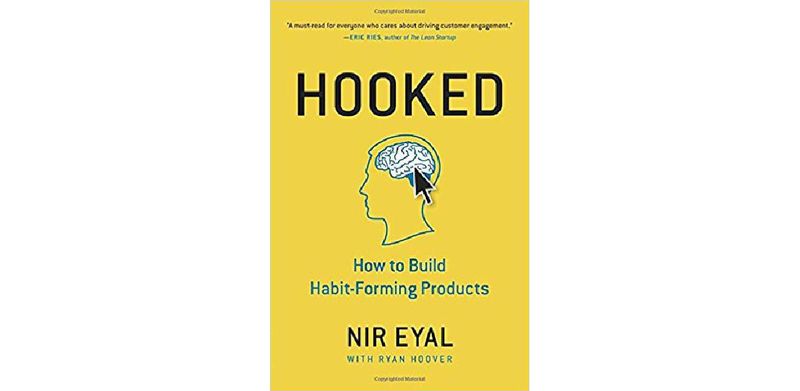
1. Hooked: How to Build Habit-Forming Products
by Nir Eyal
Recommended by 15 leaders, including Matt Mullenweg, Raluca Radu and Erik Cheong
Nir Eyal lays out the Hook Model, a four-step cycle he finds in products people return to out of habit, with examples from the iPhone to Pinterest. Irina Marinescu ties it to user retention, which she calls a top goal for product managers.

2. Getting Real
by Jason Fried, David Heinemeier Hansson, Matthew Linderman
Recommended by 4 leaders, including Joan Boixados, Vincenzo Ruggiero and Anoop Anthony
The 37signals founders set down how they build web software: keep it simple, make contrarian choices and ship with a small team, the approach behind Basecamp. Anoop Anthony values its terse advice on running a product software company, and Gary Bury keeps returning to it.
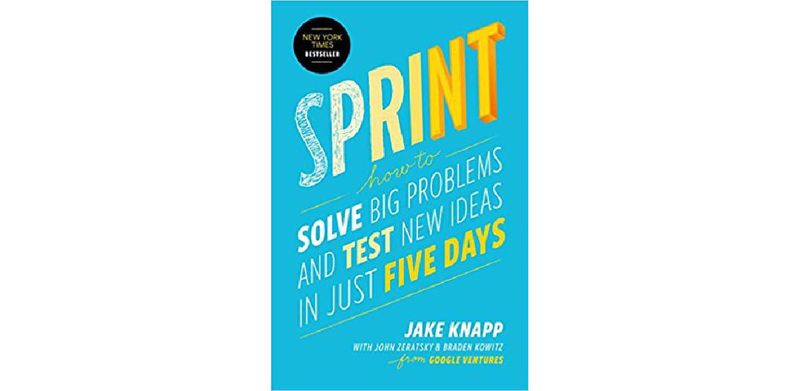
3. Sprint: How to Solve Big Problems and Test New Ideas in Just Five Days
by Jake Knapp, John Zeratsky, Braden Kowitz
Recommended by 3 leaders: Eric Ries, Cat Williams-Treloar and Javed Khatri
Three Google Ventures design partners describe a five-day routine in which a team moves from a hard problem to prototypes and customer tests. Eric Ries calls it a proven formula for getting to a decision in five days, and Javed Khatri uses a similar process to validate ideas.

4. The Mom Test: How to talk to customers & learn if your business is a good idea when everyone is lying to you
Recommended by 3 leaders: Roxana Bitoleanu, Mikhail Dubov and Chandini Jain
Rob Fitzpatrick teaches the customer interview, a basic skill of Customer Development: asking people whether an idea is good invites polite lies, so the conversation has to dig for facts instead. Chandini Jain read it to design user interviews free of leading questions.
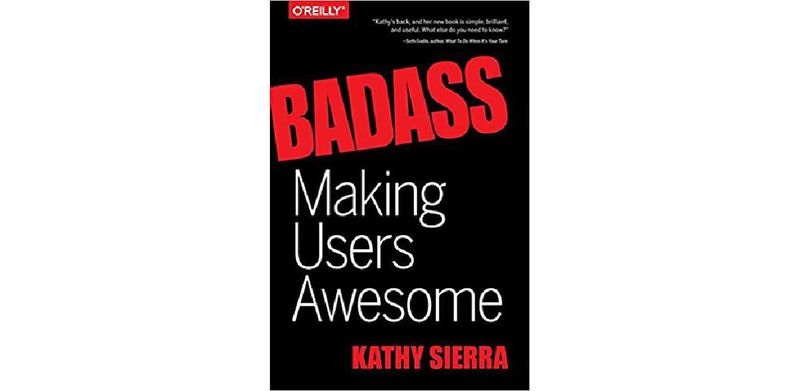
5. Badass: Making Users Awesome
by Kathy Sierra
Recommended by 2 leaders: Lewis Smith and Irina Marinescu
Kathy Sierra argues that lasting products win because users get better at what the product helps them do, not because of marketing budgets. Aimed at engineers, marketers and support staff alike, it is product manager Irina Marinescu’s favorite business book for putting user experience first.
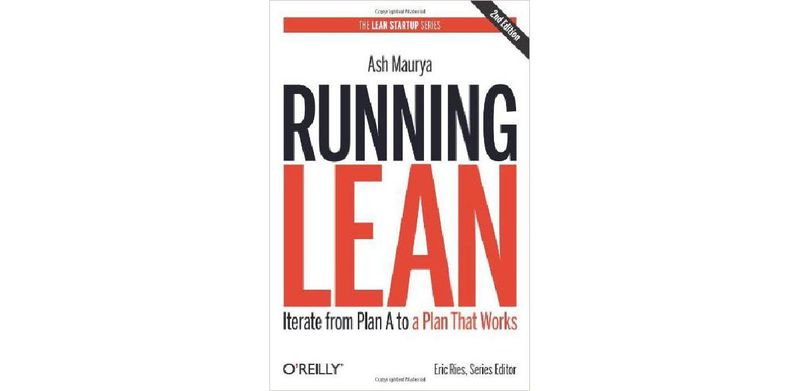
6. Running Lean: Iterate from Plan A to a Plan That Works
by Ash Maurya
Recommended by 2 leaders: Ola Olusoga and Garrett Moon
Ash Maurya gives a system for testing product ideas fast: find a problem worth solving, define a solution, involve customers throughout development and iterate in small steps toward product/market fit, including when to pivot. Garrett Moon recommends it for learning to build products the lean way.
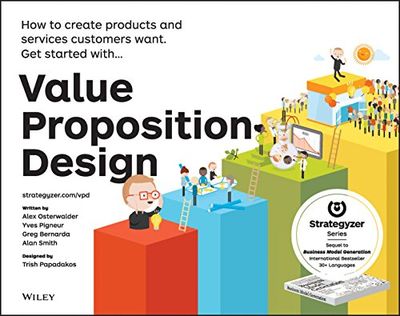
7. Value Proposition Design: How to Create Products and Services Customers Want
by Alexander Osterwalder, Yves Pigneur, Gregory Bernarda, Alan Smith
Recommended by 2 leaders: Ashley Hathaway and Chandini Jain
Built around the Value Proposition Canvas, the guide gives product teams a process and exercises for designing and testing offers before effort goes into weak ideas. Product manager Ashley Hathaway says its lessons on empathy, user testing and iteration run through her daily work.
8. Product Strategy for High Technology Companies
Recommended by 1 leader: Brian O'Kelley
Michael McGrath treats product strategy as the choice of which products a high-technology company rests on, working through timing, differentiation, cost and price, and platform decisions with examples from Microsoft, IBM and Apple. Brian O’Kelley praises its structured thinking about strategy decisions.
9. Jobs to Be Done: A Roadmap for Customer-Centered Innovation
by Stephen Wunker, Jessica Wattman, David Farber
Recommended by 1 leader: Dean Roller
Stephen Wunker, Jessica Wattman and David Farber build product innovation on the functional and emotional jobs customers buy things for, with a plan that moves from customer insight to new ideas and then iteration. Dean Roller recommends it for its real examples of getting new ideas started.
10. Lean Customer Development: Building Products Your Customers Will Buy
Recommended by 1 leader: Thomas Graziani
Cindy Alvarez shows how to test product ideas with customer interviews before money is spent, covering whom to talk to, how to run each conversation and how to turn the findings into minimum viable products. Thomas Graziani uses it to define his company’s product roadmap more clearly.
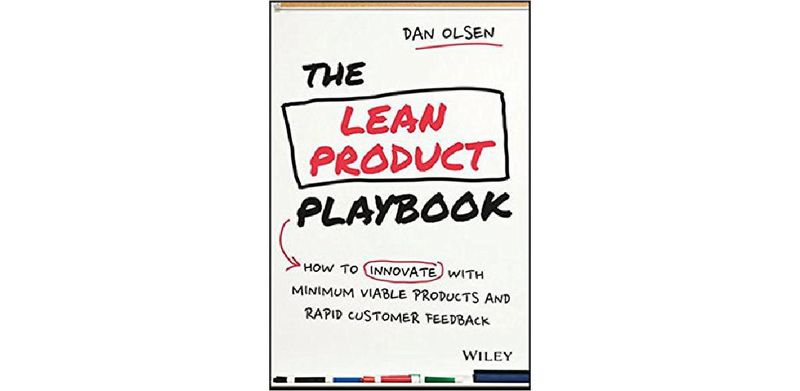
11. The Lean Product Playbook: How to Innovate with Minimum Viable Products and Rapid Customer Feedback
by Dan Olsen
Recommended by 1 leader: Julia Enthoven
Dan Olsen turns Lean Startup ideas into a product process: choose target customers, find underserved needs, set a product strategy, define a minimum viable product, prototype it and test it with customers. Julia Enthoven says it shaped her product sense and her UX decisions.
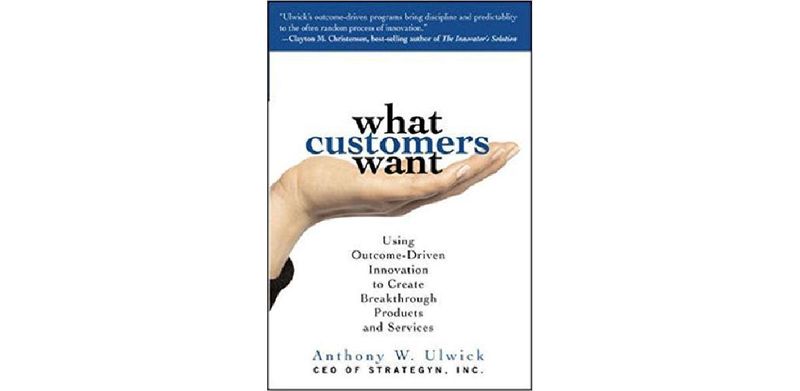
12. What Customers Want: Using Outcome-Driven Innovation to Create Breakthrough Products and Services
Recommended by 1 leader: Rick Faleschini
Anthony W. Ulwick argues that standard customer research feeds product teams misleading inputs, and proposes outcome-driven innovation: find the metrics customers use to judge a job done, then develop products and services around them. His critique draws on more than 200 studies across seventy companies.
Also worth reading
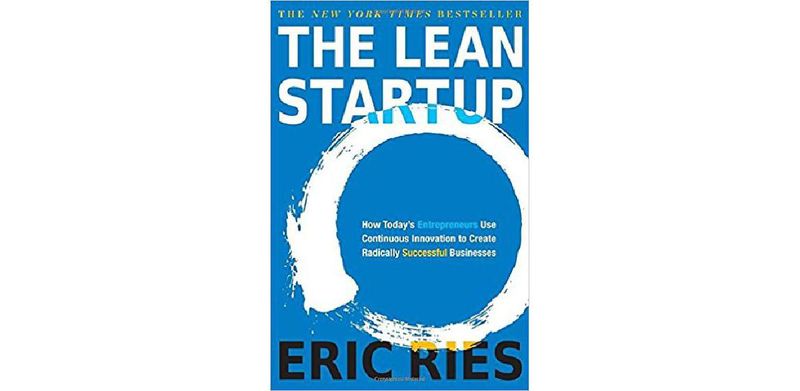
13. The Lean Startup
by Eric Ries
Recommended by 46 leaders, including Sheryl Sandberg, Jay Shetty and Marc Andreessen
Eric Ries writes mainly about startups, but his method of fast experiments, minimum viable products and validated learning is now a common way to build new products. Sheryl Sandberg praised its look at how the tech industry builds products, and Liam Martin applied MVP tests to features.
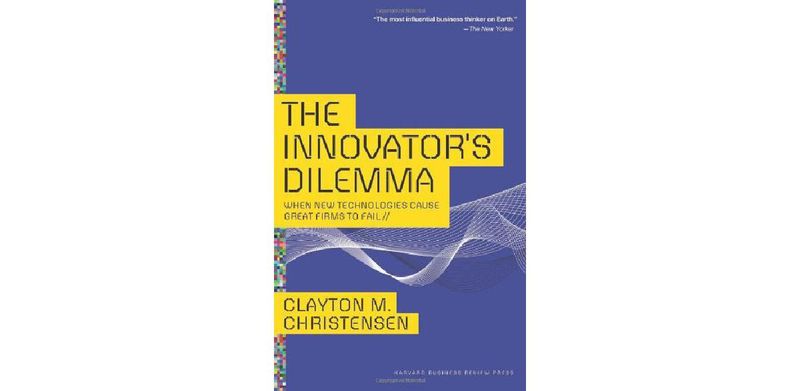
14. The Innovator’s Dilemma: When New Technologies Cause Great Firms to Fail
Recommended by 19 leaders, including Jeff Bezos, Steve Jobs and Mark Cuban
Clayton Christensen’s study of disruptive innovation shows how leading firms that keep improving products for their best customers lose to crude new entrants. It is about strategy rather than product practice, and Bill Gurley calls it the clearest analysis of why startups can disrupt.

15. Purple Cow
by Seth Godin
Recommended by 12 leaders, including Marvin Liao, Noah Kagan and Vincent Pugliese
Seth Godin argues that advertising works less and less, so companies must build remarkable products worth talking about and aim them at people who spread the word. Lori Cheek, a tech startup founder, calls it her favorite business book for its case for standing out.
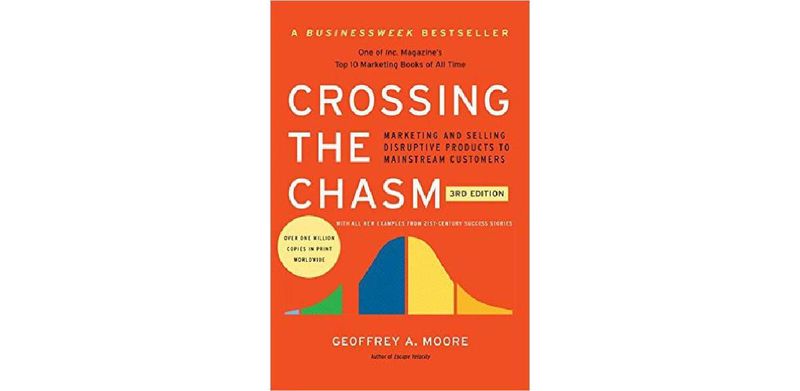
16. Crossing the Chasm: Marketing and Selling Disruptive Products to Mainstream Customers
Recommended by 11 leaders, including Bill Gurley, Seth Godin and Bogdan Iordache
Geoffrey A. Moore’s marketing classic explains the gap between early adopters and pragmatic mainstream buyers of technology products, with tactics such as the whole product and positioning. Sanja Zepan recommends it for products moving to a wider market, and Bill Gurley calls it required for enterprise plays.
17. Don’t Make Me Think: A Common Sense Approach to Web Usability
by Steve Krug
Recommended by 8 leaders, including Chris Goward, Raluca Radu and Kaci Lambe Kai
Steve Krug’s brief, heavily illustrated usability guide holds that a site or program should let people finish their task as easily and directly as possible. Anoop Anthony learned the craft from it when he started out and finds the latest edition still relevant.
18. The Startup Way
by Eric Ries
Recommended by 7 leaders, including Reid Hoffman, Arianna Huffington and Seth Godin
Eric Ries carries build, measure and learn cycles and minimum viable products into established firms, nonprofits and governments, drawing on work with GE, Toyota and Airbnb. Erik Cheong found it aimed more at multinational corporations than at startups.
19. The Four Steps to the Epiphany
by Steve Blank
Recommended by 4 leaders, including Marc Andreessen, Antonio Eram and Neal O'Gorman
Steve Blank’s Customer Development process is aimed at startups searching for a business model, and its tools for exposing weak spots in a product plan while fixes are cheap carry over to product work. Neal O’Gorman, a former product manager, says it made him more customer-centric.
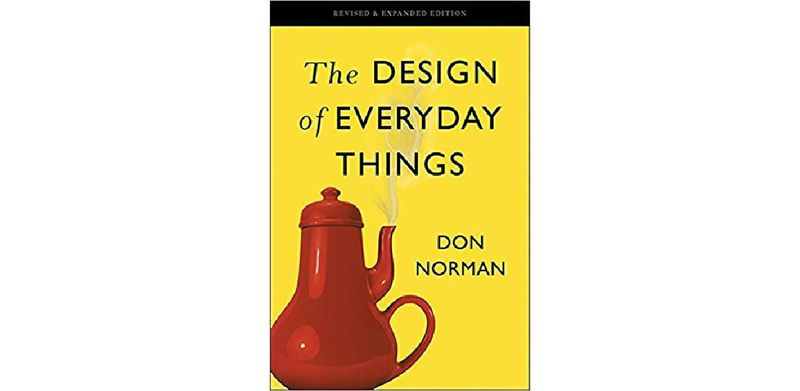
20. The Design of Everyday Things
by Don Norman
Recommended by 4 leaders, including Julia Enthoven, Marius Ciuchete Paun and Grey Baker
Don Norman blames hard-to-use objects on design that ignores people, and introduces affordances, mapping, constraints and user-centered design. It is a design book rather than a product management one, yet Julia Enthoven credits it with informing her product sense.
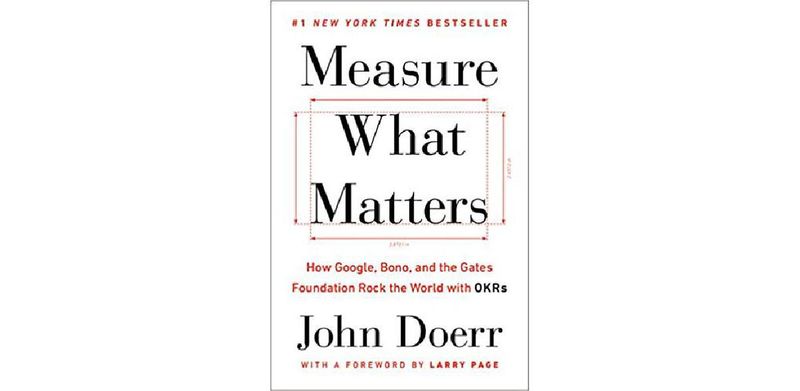
21. Measure What Matters: How Google, Bono, and the Gates Foundation Rock the World With OKRs
by John Doerr
Recommended by 5 leaders, including Reid Hoffman, Walter Isaacson and John Chambers
John Doerr explains Objectives and Key Results, the goal system he learned at Intel and brought to Google: objectives say what to achieve, key results set measurable steps, and every goal is visible across teams. Alexandra Stroe recommends it.

22. The Soul of a New Machine
by Tracy Kidder
Recommended by 3 leaders: Naval Ravikant, Mohnish Pabrai and Scott Johnson
Tracy Kidder follows Tom West’s engineering team at Data General as it races to design a next-generation computer under heavy pressure. Mohnish Pabrai says everyone working in product development should read it, and Scott Johnson says it showed him how a high tech product gets made.
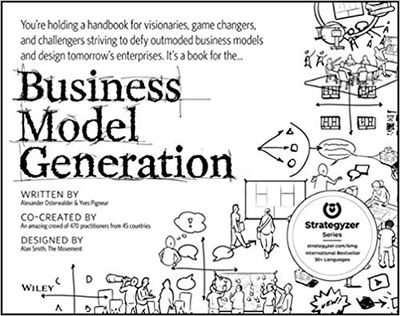
23. Business Model Generation: A Handbook for Visionaries, Game Changers, and Challengers
by Alexander Osterwalder, Yves Pigneur
Recommended by 3 leaders: Kaci Lambe Kai, Ashley Hathaway and Alexandra Stroe
Alexander Osterwalder and Yves Pigneur offer a handbook for designing business models with the Business Model Canvas, the companion to Value Proposition Design. Ashley Hathaway says she borrows from both constantly, and Kaci Lambe Kai liked its case that a business model can be more than a stuffy document.
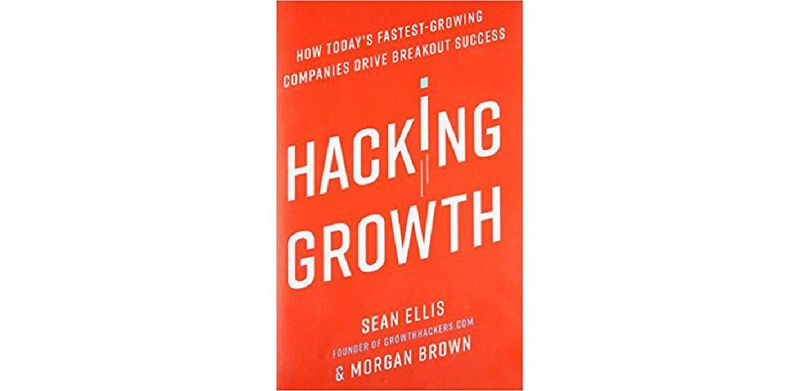
24. Hacking Growth: How Today’s Fastest-Growing Companies Drive Breakout Success
Recommended by 4 leaders, including Eric Ries, Nir Eyal and Kyrylo Taranenko
Sean Ellis and Morgan Brown describe growth hacking, cross-functional teams running quick test cycles to acquire, engage and retain customers, which they compare with Lean Startup in product development. Kyrylo Taranenko calls growth hacking a real trend.
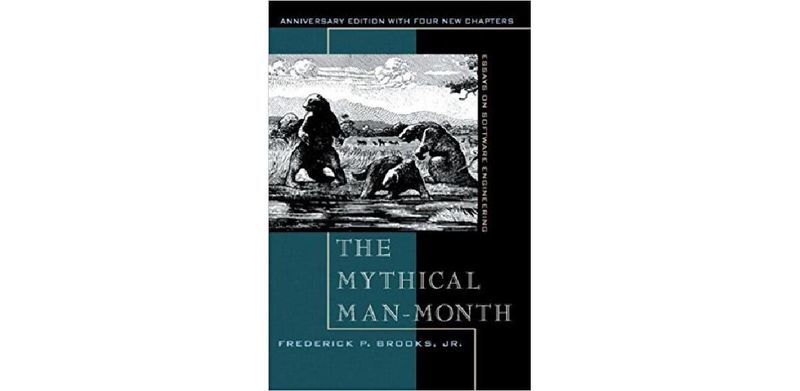
25. The Mythical Man-Month: Essays on Software Engineering
Recommended by 1 leader: Jeff Bezos
Frederick P. Brooks Jr. drew essays from managing IBM’s System/360 and OS/360, including Brooks’s law, that adding programmers to a late software project makes it later, and a case for prototyping. Jeff Bezos has recommended it.
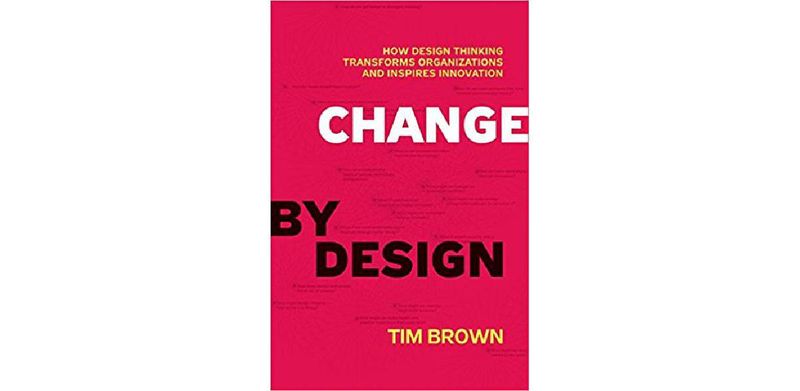
26. Change by Design: How Design Thinking Transforms Organizations and Inspires Innovation
by Tim Brown
Recommended by 1 leader: Doug McMillon
IDEO chief executive Tim Brown presents design thinking, a human-centered method for matching what people need with what is feasible and viable, and argues for fast, cheap prototypes that fail early. Doug McMillon put it on his list of inspiring reads.
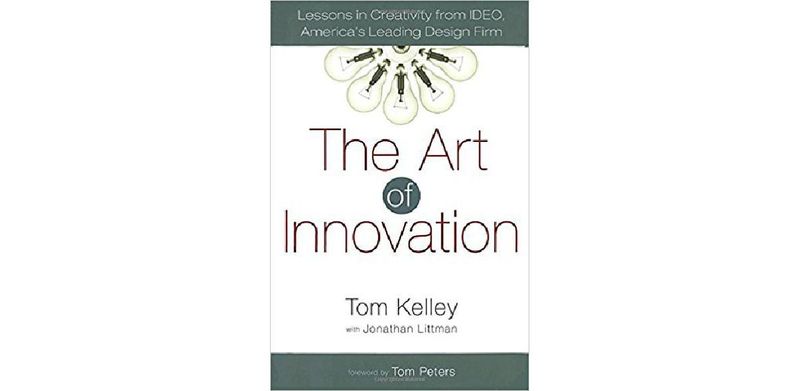
27. The Art of Innovation: Lessons in Creativity from IDEO, America’s Leading Design Firm
by Tom Kelley, Jonathan Littman
Recommended by 1 leader: Seth Godin
Tom Kelley and Jonathan Littman describe how IDEO keeps producing new products, from the Apple mouse to the Palm V, through teamwork, immersion in the user’s view and a fast brainstorm-and-build process. Seth Godin says seeing how well they design raises one’s expectations.
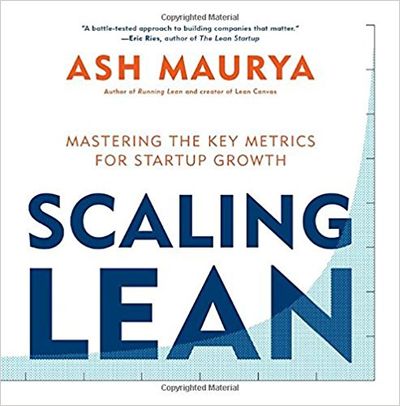
28. Scaling Lean: Mastering the Key Metrics for Startup Growth
by Ash Maurya
Recommended by 1 leader: Eric Ries
Ash Maurya’s follow-up to Running Lean is about startup metrics: judging whether a business model works, measuring traction rather than revenue and running two-week LEAN sprints to rank and test ideas. Eric Ries describes it as the leap from startup to sustainable business.
29. Baked In: Creating Products and Businesses That Market Themselves
Recommended by 1 leader: Bogdana Butnar
Alex Bogusky and John Winsor argue that inventive products should carry their own marketing, using product design, a brand’s history and internal collaboration as tools for building it in. It is a marketing book, and Bogdana Butnar has it on her list.
30. Lean Analytics: Use Data to Build a Better Startup Faster
by Alistair Croll, Benjamin Yoskovitz
Recommended by 1 leader: Ola Olusoga
Alistair Croll and Ben Yoskovitz focus on startup data: which numbers to track at each stage, with the One Metric That Matters at the center, so a team can settle its product and market before the cash is gone. Ola Olusoga recommends it.
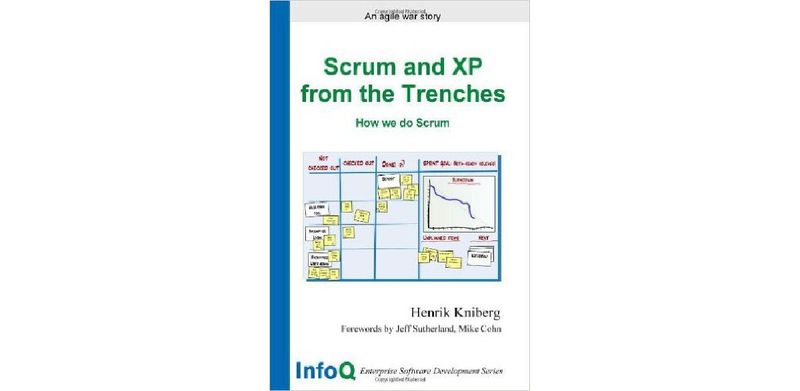
31. Scrum and XP from the Trenches
Recommended by 1 leader: Mircea Scarlatescu
Henrik Kniberg reports how a Swedish company with about 40 people ran Scrum and XP for a year, testing sprint lengths, definitions of done and formats for product and sprint backlogs. Mircea Scarlatescu includes it on his list for entrepreneurs and team leaders.
32. Succeeding with Agile: Software Development Using Scrum
by Mike Cohn
Recommended by 1 leader: Nicolae Andronic
Mike Cohn explains how software teams adopt Scrum and keep it working, from structuring teams and scaling up to distributed teams and metrics. It is a development process book, and Nicolae Andronic recommends it for building a product in an organized way.
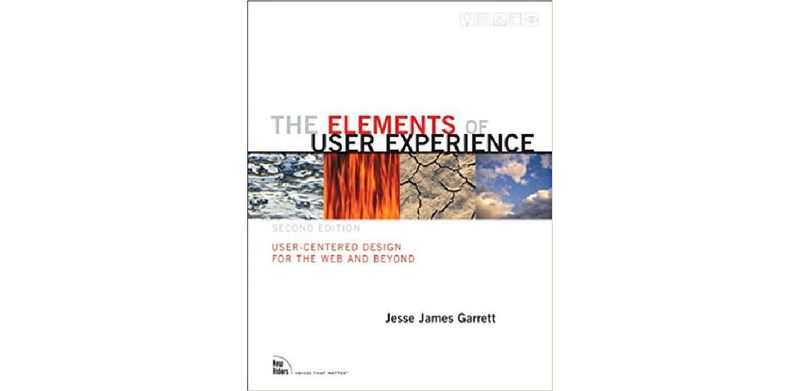
33. The Elements of User Experience: User-Centered Design for the Web
Recommended by 1 leader: Kaci Lambe Kai
Jesse James Garrett splits user experience work into layers, starting with strategy and requirements and ending with visual design, so a site serves business goals and user needs together. Kaci Lambe Kai took from it that users are never the problem, only bad design.
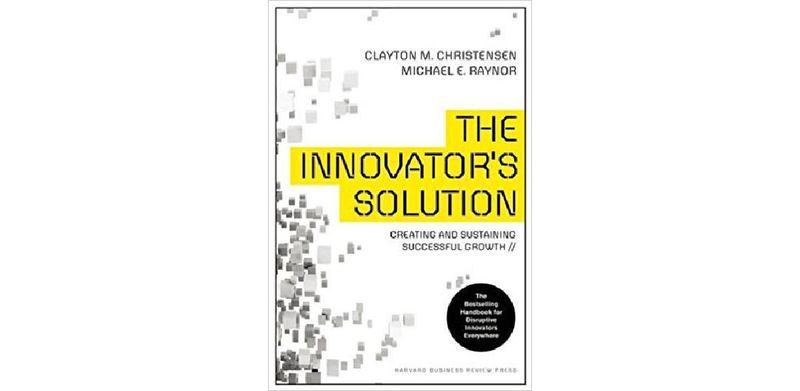
34. The Innovator’s Solution: Creating and Sustaining Successful Growth
by Clayton Christensen, Michael E. Raynor
Recommended by 1 leader: Ashley Hathaway
Clayton Christensen and Michael E. Raynor turn disruption theory around, showing the forces that push managers toward bad calls as they shape new ideas and offering frameworks for building a disruptive business. Product manager Ashley Hathaway recommends it.
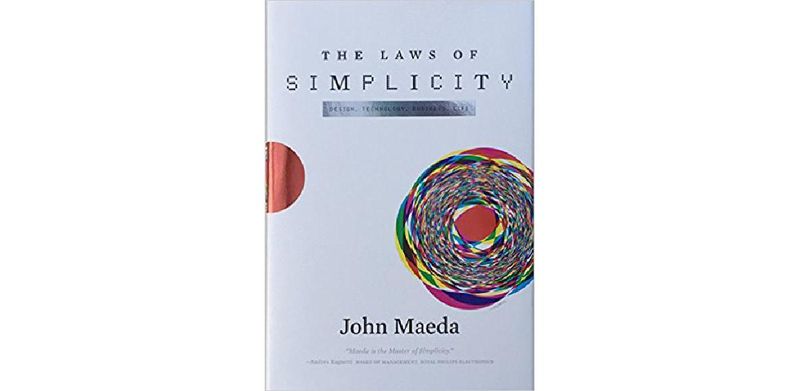
35. The Laws of Simplicity
by John Maeda
Recommended by 1 leader: Ryan Len
John Maeda’s ten laws weigh simplicity against complexity in design, technology and business, starting with a warning against adding features only because it can be done. Design director Ryan Len names it among the books that changed how he sees things.
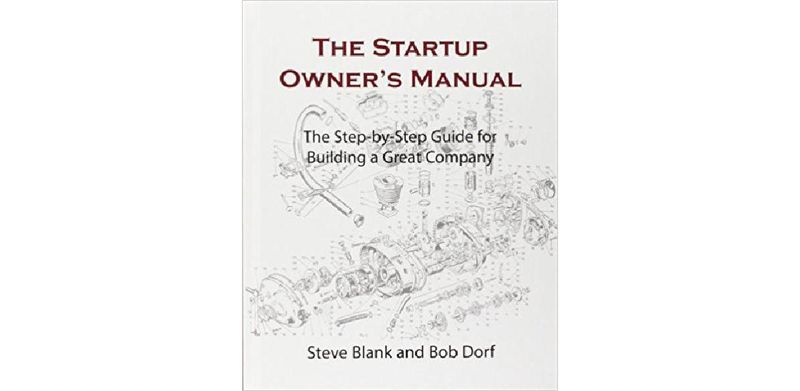
36. The Startup Owner’s Manual: The Step-By-Step Guide for Building a Great Company
by Steve Blank, Bob Dorf
Recommended by 1 leader: Bill Earner
Steve Blank and Bob Dorf write a manual for building startups, organized around the Business Model Canvas, that sends founders out to customers so they develop products people will buy. Bill Earner calls it a fuller, hands-on manual for customer development than The Lean Startup.