Best War Books: Learn Through Stories of Terrible Tragedy
 War is not something anyone should take lightly. Every war has had real causes, dangers and effects, and an impact on the people who lived through it, whether they realized it or not.
Stories of war have been written, told and shared for as long as humanity has existed, and they have shaped the world we live in. Every book about war tells its own story, even when it is set in the same war: each perspective, culture, country and person has something different to teach.
There is a lot that the best war books can teach us:
- The psychological effects of war and how those effects carry on long past each battlefield.
- The idea that moral codes are not strictly written on a human scale but often differ between countries and cultures.
- Ideas of what is worth fighting for and what is worth losing to secure those victories.
To begin, try the following books, recommended by professionals and entrepreneurs.
Best War Books
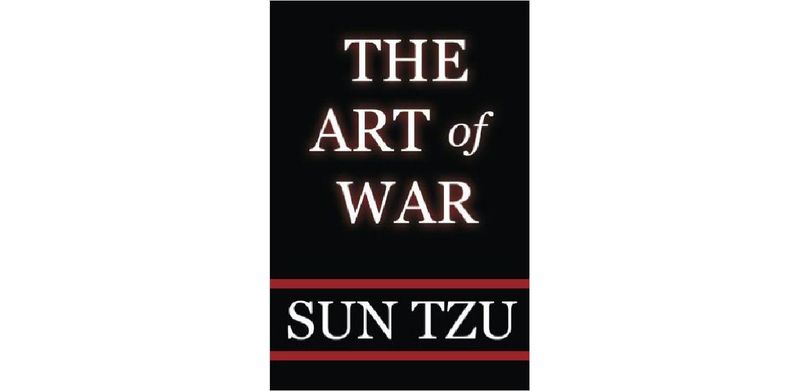
The Art of War
by Sun Tzu
I know this will offend many strategy purists, but for most audiences I recommend these two books only with a pretty strong disclaimer. While both are clearly full of strategic wisdom, they are hard to separate from their respective eras and brands of warfare. As budding strategists in business and in life, most of us are really looking for advice that can help us with our own problems. The reality is that Napoleonic warfare does not exactly have its equivalents in today’s society. On the other hand, Sun-Tzu is so aphoristic that it’s hard to say what is concrete advice and what is just common sense. But the books are so convincing that you might still end up leaving thinking that they can be easily applied. So, again, check these books out if you’re really interested, but I think some of the other books are much better places to start.
Founder/Brass Check
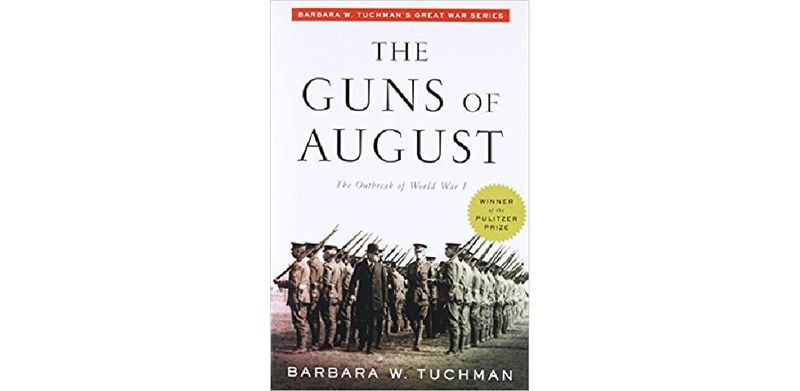
The Guns of August
This book started my obsession with WWI, illustrating how drastically the world went from interrelated monarchies and cavalry charges to chemical warfare between modern nation states. If you want to see what disruption looks like, there's no greater period in human history.
VP of Member Engagement/WeWork
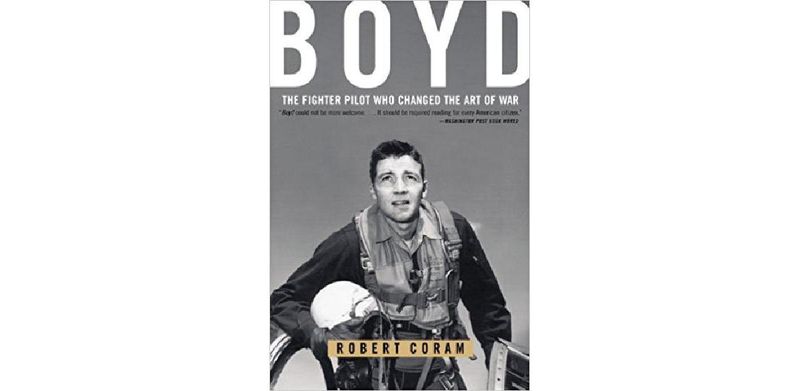
Boyd: The Fighter Pilot who Changed the Art of War
by Robert Coram
Boyd was probably the greatest post-WWII military strategist; he developed the F-15 and F-16, revolutionized ground tactics in war and covertly designed the US battle plans for the Gulf War. He shunned wealth, fame, and power all to accomplish what he felt needed to be accomplished. Coram captures his essence in a way that no other author has touched.
Founder/Brass Check
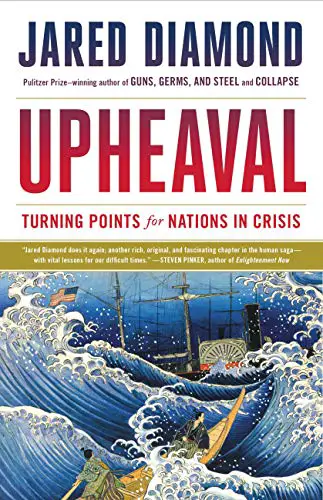
Upheaval: Turning Points for Nations in Crisis
I’m a big fan of everything Jared has written, and his latest is no exception. The book explores how societies react during moments of crisis. He uses a series of fascinating case studies to show how nations managed existential challenges like civil war, foreign threats, and general malaise. It sounds a bit depressing, but I finished the book even more optimistic about our ability to solve problems than I started.
Founder/Microsoft
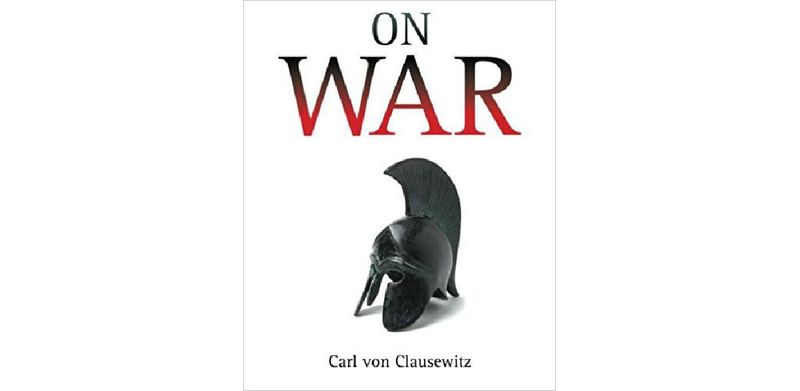
On War
I know this will offend many strategy purists, but for most audiences I recommend these two books only with a pretty strong disclaimer. While both are clearly full of strategic wisdom, they are hard to separate from their respective eras and brands of warfare. As budding strategists in business and in life, most of us are really looking for advice that can help us with our own problems. The reality is that Napoleonic warfare does not exactly have its equivalents in today’s society. On the other hand, Sun-Tzu is so aphoristic that it’s hard to say what is concrete advice and what is just common sense. But the books are so convincing that you might still end up leaving thinking that they can be easily applied. So, again, check these books out if you’re really interested, but I think some of the other books are much better places to start.
Founder/Brass Check
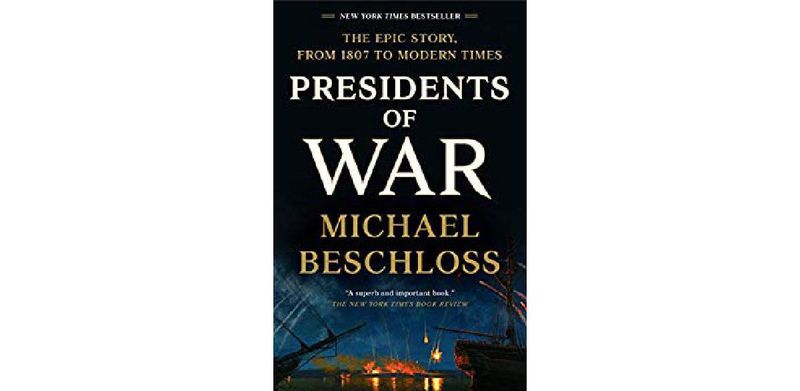
Presidents of War
Once again, Beschloss captures our Presidents in terms both historic and human, showing that whoever holds the office will fearlessly—or fearfully—impact our world.
Actor, author
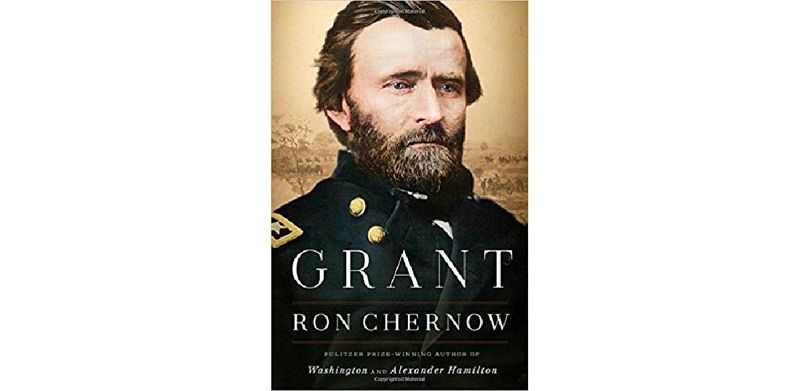
Grant
by Ron Chernow
This is a good time for Ron Chernow’s fine biography of Ulysses S. Grant to appear… As history, it is remarkable, full of fascinating details sure to make it interesting both to those with the most cursory knowledge of Grant’s life and to those who have read his memoirs or any of several previous biographies… For all its scholarly and literary strengths, this book’s greatest service is to remind us of Grant’s significant achievements at the end of the war and after, which have too long been overlooked and are too important today to be left in the dark… As Americans continue the struggle to defend justice and equality in our tumultuous and divisive era, we need to know what Grant did when our country’s very existence hung in the balance. If we still believe in forming a more perfect union, his steady and courageous example is more valuable than ever.
President/United States
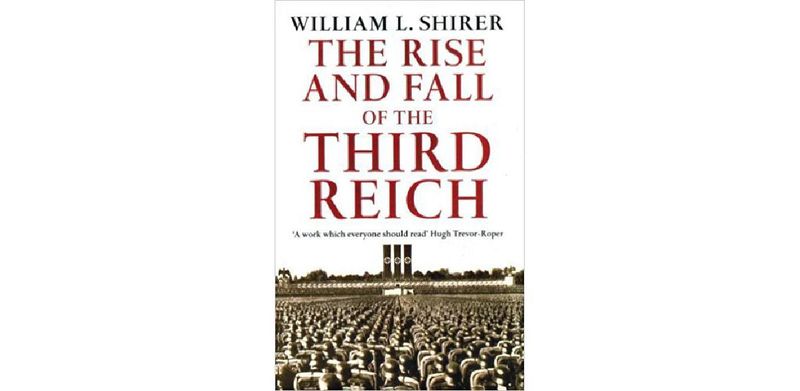
The Rise and Fall of the Third Reich: A History of Nazi Germany
A few months back, I read a book called A Higher Call: An Incredible True Story of Combat and Chivalry in the War-Torn Skies of World War II that led me to want to learn more about Nazi Germany and Hitler, so I then picked up The Rise and Fall of the Third Reich, which led me to wanting to learn more about Winston Churchill.
Co-Founder/Populum
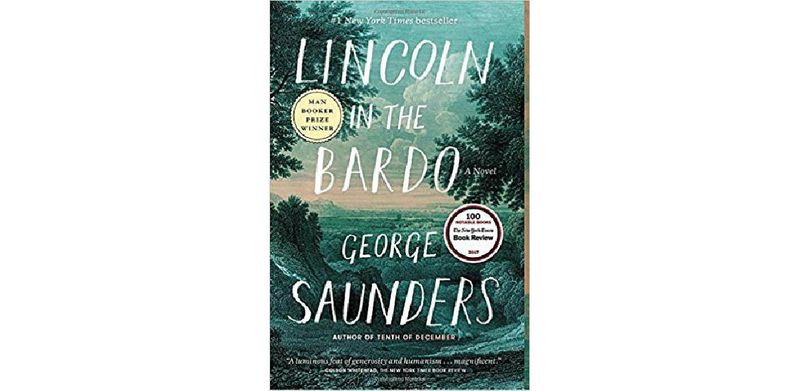
Lincoln in the Bardo
I thought I knew everything I needed to know about Abraham Lincoln, but this novel made me rethink parts of his life. It blends historical facts from the Civil War with fantastical elements—it’s basically a long conversation among 166 ghosts, including Lincoln’s deceased son. I got new insight into the way Lincoln must have been crushed by the weight of both grief and responsibility. This is one of those fascinating, ambiguous books you’ll want to discuss with a friend when you’re done.
CEO/Microsoft
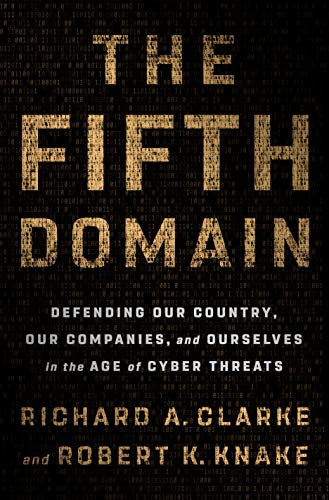
The Fifth Domain: Defending Our Country, Our Companies, and Ourselves in the Age of Cyber Threats
by Richard A. Clarke, Robert K. Knake
In the battle raging between offense and defense in cyberspace, Clarke and Knake have some important ideas about how we can avoid cyberwar for our country, prevent cybercrime against our companies, and in doing so, reduce resentment, division, and instability at home and abroad.
Former USA President
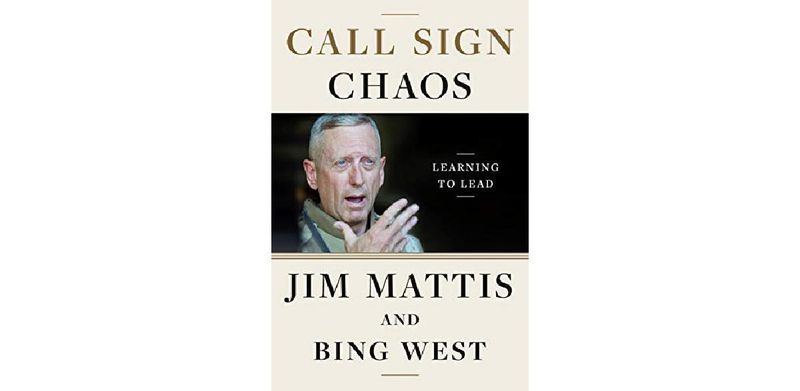
Call Sign Chaos: Learning to Lead
by Jim Mattis, Bing West
Combining simplicity and thoughtfulness, Jim Mattis has produced a classic account of a lifetime of service. Call Sign Chaos is a lesson in leadership and an evocation of humanity in the cause of peace.
Political Scientist, Diplomat
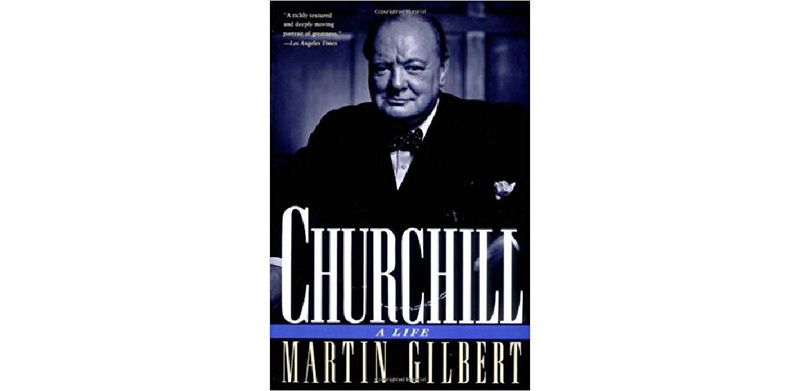
Churchill: A Life
Churchill, A Life by Martin Gilbert is the most impactful book I've read this year. I generally enjoy reading biographies, as they're a great way to understand history in a more personal viewpoint, while also getting a glimpse of how influential figures overcame adversities and pursued their ambitions.
Churchill's life stood out to me for a couple reasons. When you think about the personal decisions made before, during, and after World War II, it's really amazing to realize how much one person's vision and leadership influenced the outcome of world affairs during the 1900s. During his long public career of 50+ years, it is admirable to see how he navigated politics and overcame setbacks to reach the pinnacle of his career as a war time prime minister.
Overall, it was very humbling to learn about Churchill's work ethic. As a political leader as well as an author, he is a true example of a public servant who envisioned a better (and more peaceful) world order and worked hard throughout his career to carry out that vision while also securing his legacy in history.
Co-Founder/Populum
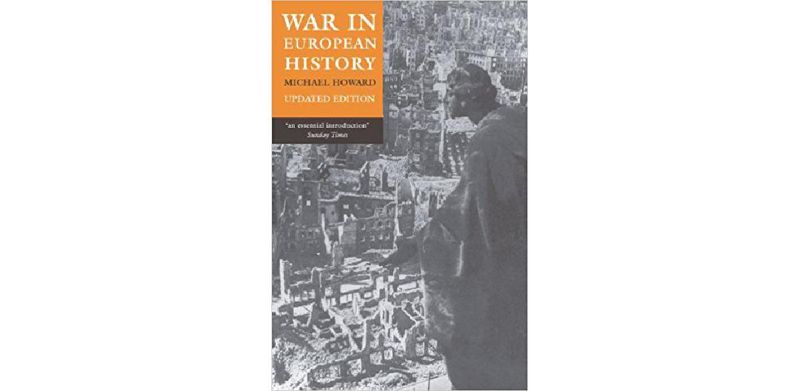
War in European History
The best way to understand how the world resolves its conflicts and its tensions is by looking at how a conflict that has been studied thoroughly, like World War I, unfolded and resolved. Business is like this too. If anyone were to ever get to the heart of Coke vs. Pepsi, they would see a parade of mistakes in the same way World War I looks in retrospect—so many ways you could have done better.
CEO/Appian
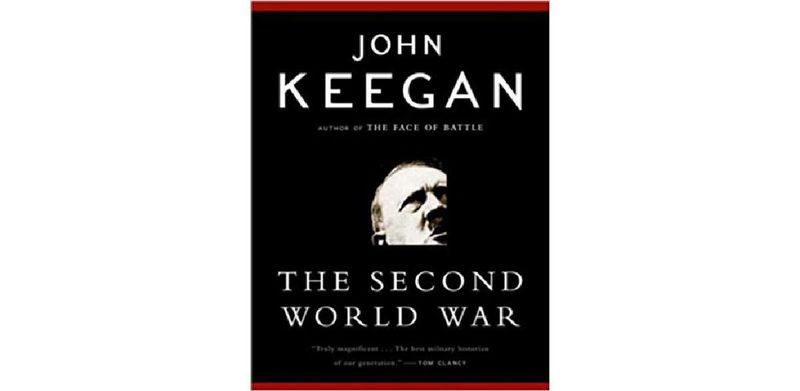
The Second World War
by John Keegan
"I always say I got all my understanding of how business and life works from studying the Second World War". Aside from The Autobiography of Malcolm X, Casey's favorite book is The Second World War by John Keegan. He's read this massive tome three times, cover to cover. He remembers showing up to work and getting in trouble because he was tired from staying up all night reading this textbook.
Co-Founder/Beme
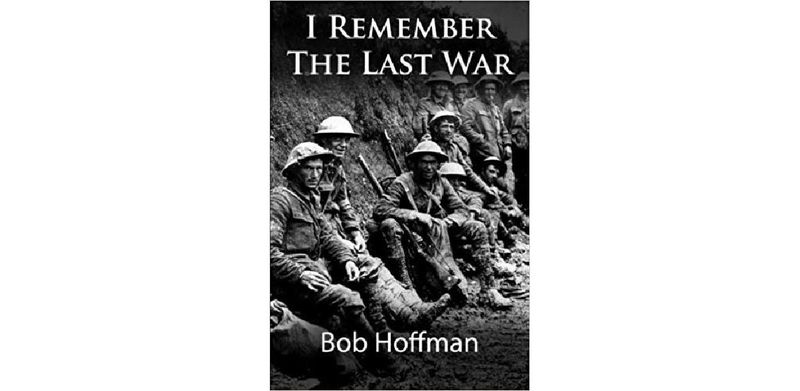
I Remember the Last War
by Bob Hoffman
I Remember the Last War by a guy named Bob Hoffman [...] Again, it’s not always clear that oh, here’s the leadership principle; here’s what you should be doing. No, it’s not always clear like that. But when you understand what people are going through emotionally and you start to get a glimpse at human nature and how people react in certain situations and how their egos flare up, that’s what makes these books good. Because it gives you a frame of reference.
Founder/Echelon Front
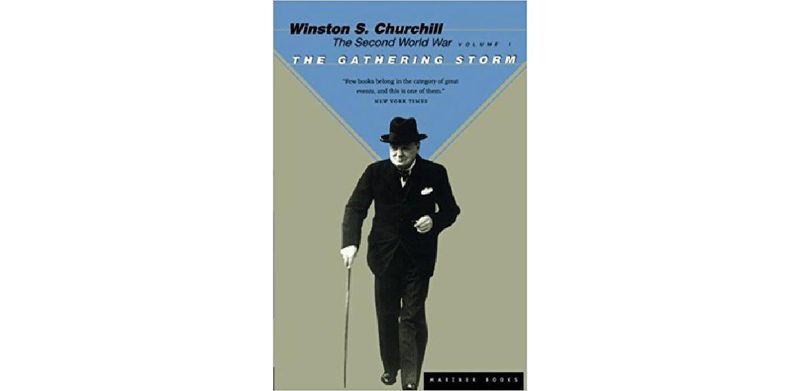
The Gathering Storm (The Second World War)
When I look back at my career path, it is the one of an entrepreneur. I have built various businesses, from accounting and financial advisory firms to tech and security businesses. I have also spent most of my adult life in China, a country that is quite hostile to foreigners and very unfair. I have accepted to suffer the hardships of building my business without any investment from anybody, and stick very firmly to my values. I would recommend young people to read about adventure, hardships, and moral choices. Of course, it would be important to also read about the drivers of our humanity, hence the motley list below:
[...]
- The Second World War by Winston Churchill. "In War: Resolution, In Defeat: Defiance, In Victory: Magnanimity, In Peace: Goodwill".
Managing Partner/S.J. Grand Financial and Tax Advisory
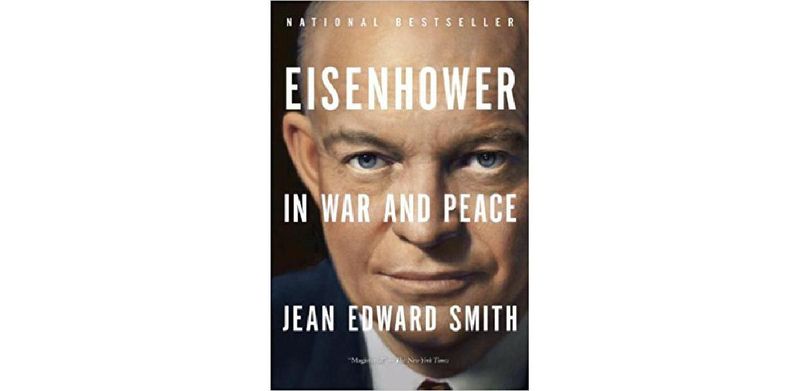
Eisenhower in War and Peace
I also strongly recommend Eisenhower in War and Peace by Jean Edward Smith–I did not fully appreciate what a strategic and political genius Eisenhower was until this book.
Founder/Brass Check
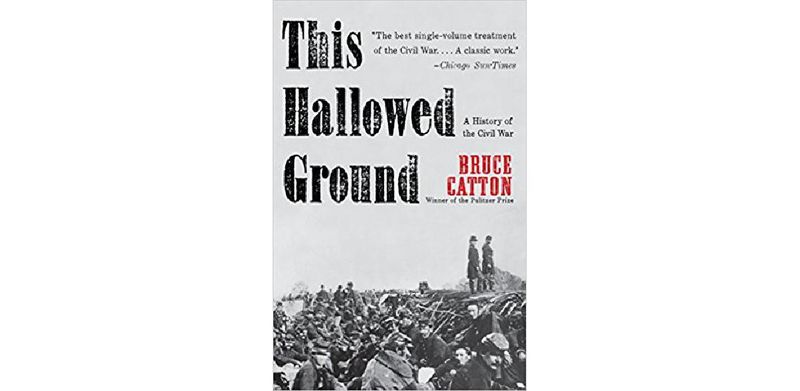
This Hallowed Ground: A History of the Civil War
by Bruce Catton
This year I loved Bruce Catton’s This Hallowed Ground: A History of the Civil War and A Stillness at Appomattox. If you want to understand the Civil War and you want to see one of the greatest non-fiction writing ever, read Catton.
Founder/Brass Check
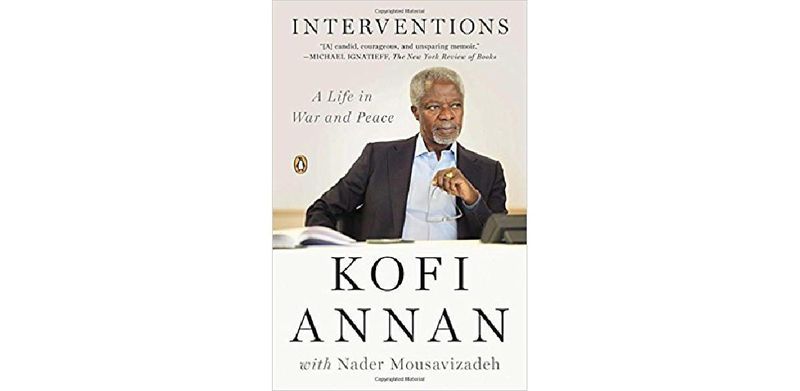
Interventions: A Life in War and Peace
by Kofi Annan, Nader Mousavizadeh
It was helpful to learn about the other side of Annan’s work at the UN -- peacekeeping issues and the work of the Security Council. It is clearly very challenging work. One day, the Secretary-General has to be an impartial arbiter of disputes among member states. The next, he has to challenge member countries he believes are not acting in the interest of world peace. Surviving in that position for 10 years says a lot about Annan’s diplomatic skills.
CEO/Microsoft
The Legacy of the Civil War
I also read discussions of a bunch of Southern/Civil War writers in Patriotic Gore by Edmund Wilson and The Legacy of the Civil War by Robert Penn Warren, which helped me understand and contextualize what I’d already read from the people listed above.
Founder/Brass Check
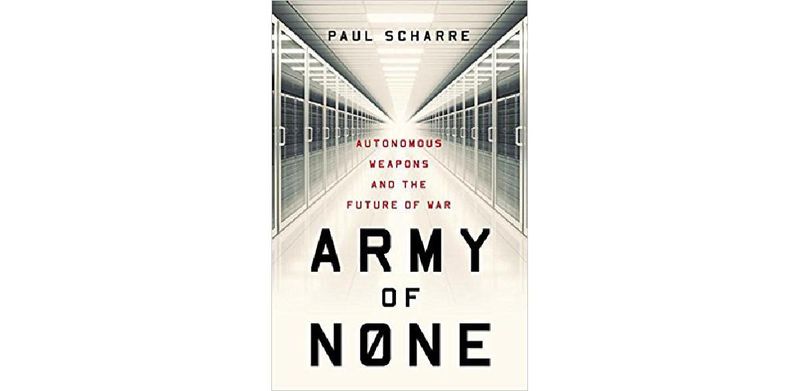
Army of None: Autonomous Weapons and the Future of War
by Paul Scharre
Autonomous weapons aren’t exactly top of mind for most around the holidays, but this thought-provoking look at A.I. in warfare is hard to put down. It’s an immensely complicated topic, but Scharre offers clear explanations and presents both the pros and cons of machine-driven warfare. His fluency with the subject should come as no surprise: he’s a veteran who helped draft the U.S. government’s policy on autonomous weapons.
Founder/Microsoft
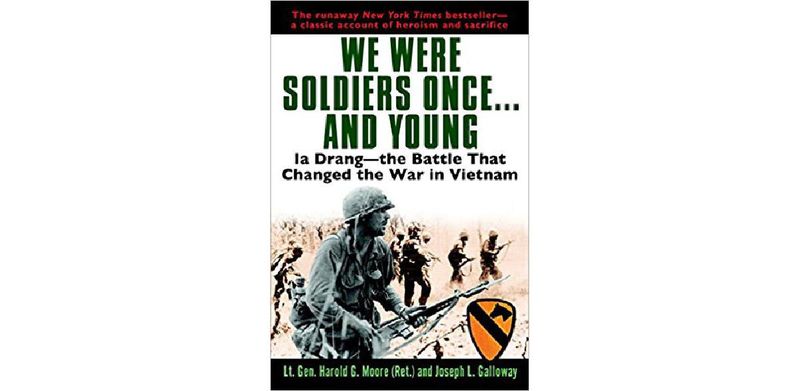
We Were Soldiers Once…and Young: Ia Drang – The Battle That Changed the War in Vietnam
by Harold G. Moore, Joseph L. Galloway
When a look back at my career path, it is the one of an entrepreneur. I have built various businesses, from accounting and financial advisory firms to tech and security businesses. I have also spent most of my adult life in China, a country that is quite hostile to foreigners and very unfair. I have accepted to suffer the hardships of building my business without any investment from anybody, and stick very firmly to my values. I would recommend young people to read about adventure, hardships, and moral choices. Of course, it would be important to also read about the drivers of our humanity, hence the motley list below:
[...]
- We were soldiers once, and young … because entrepreneurship is infantry combat.
Managing Partner/S.J. Grand Financial and Tax Advisory
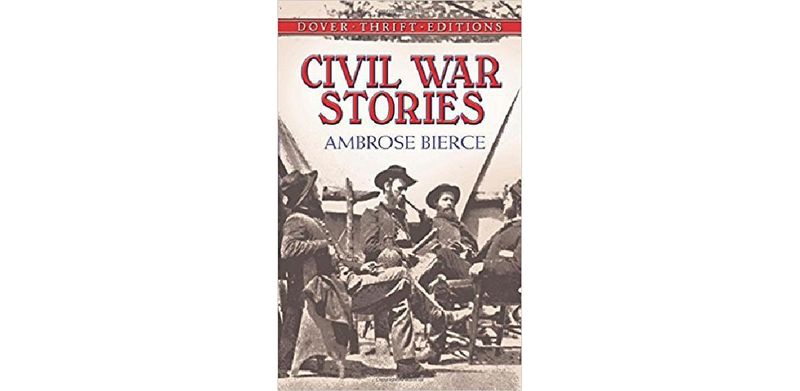
Civil War Stories
Fiction-wise, I read all of Ambrose Bierce’s Civil War Stories and was blown away–it is dark, beautiful writing.
Founder/Brass Check
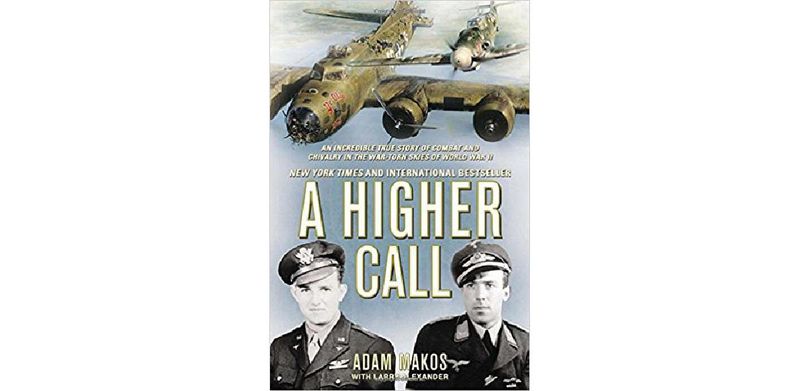
A Higher Call: An Incredible True Story of Combat and Chivalry in the War-Torn Skies of World War II
by Adam Makos, Larry Alexander
A few months back, I read a book called A Higher Call: An Incredible True Story of Combat and Chivalry in the War-Torn Skies of World War II that led me to want to learn more about Nazi Germany and Hitler, so I then picked up The Rise and Fall of the Third Reich, which led me to wanting to learn more about Winston Churchill.
Co-Founder/Populum
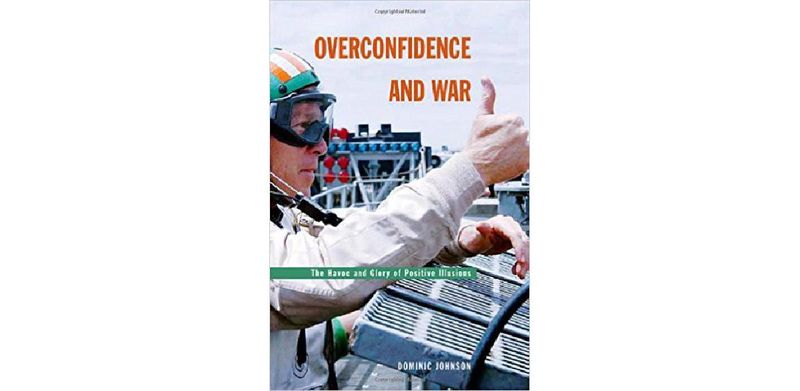
Overconfidence and War: The Havoc and Glory of Positive Illusions
Johnson uses studies from military affairs to explore the various psychological and political sources of overconfidence. These lessons are important, of course, not just for world-changing cases of global conflict, but also for day-to-day decision making in business and personal affairs. Our tendency to overestimate our capabilities and to believe that we can control the future — what the author thinks of as “an integral part of the human psyche” — can be our downfall. In geopolitics, self-deception can lead to war; in business, it can lead to strategic blunders or worse. It’s important to test what we know, uncover what we don’t know, understand where we are prone to bias, and calibrate our goals and risk-taking.
Director/ BCG Henderson Institute
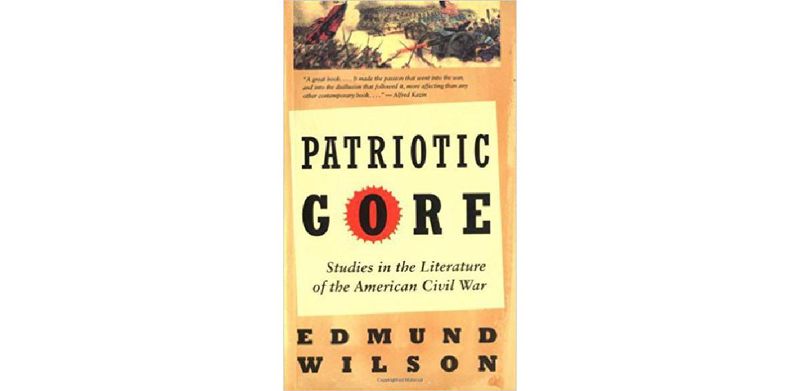
Patriotic Gore: Studies in the Literature of the American Civil War
I also read discussions of a bunch of Southern/Civil War writers in Patriotic Gore by Edmund Wilson and The Legacy of the Civil War by Robert Penn Warren, which helped me understand and contextualize what I’d already read from the people listed above.
Founder/Brass Check
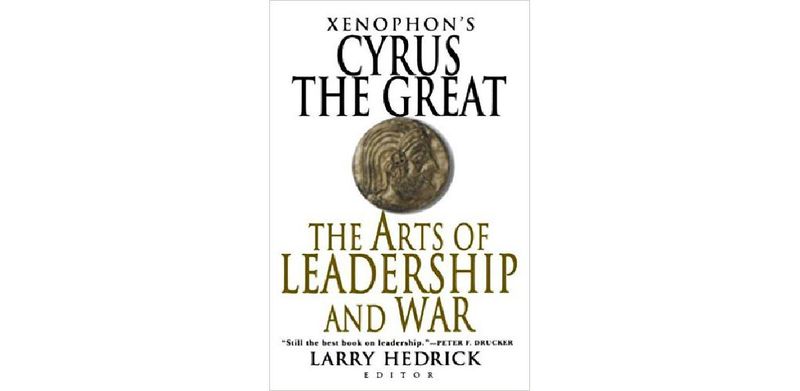
Xenophon’s Cyrus the Great: The Arts of Leadership and War
by Xenophon
Xenophon, like Plato, was a student of Socrates. For whatever reason, his work is not nearly as famous, even though it is far more applicable. Unlike Plato, Xenophon studied people. His greatest book is about the latter, it’s the best biography written of Cyrus the Great (aka the father of human rights). There are so many great lessons in here and I wish more people would read it. Machiavelli learned them, as this book inspired The Prince.
Founder/Brass Check
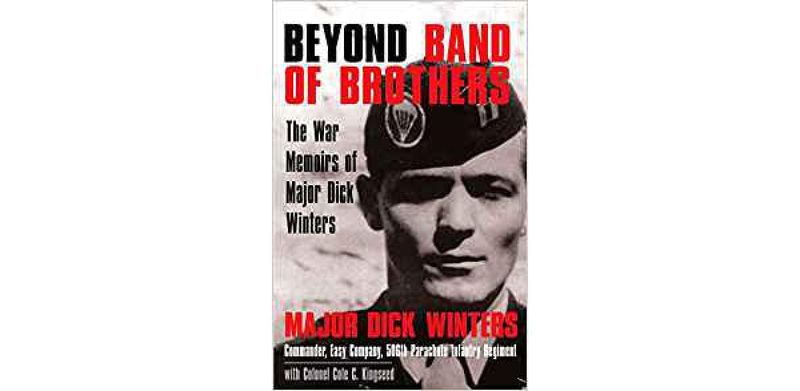
Beyond Band of Brothers: The War Memoirs of Major Dick Winters
by Dick Winters
Beyond Band of Brothers by Dick Winters [...] Again, it’s not always clear that oh, here’s the leadership principle; here’s what you should be doing. No, it’s not always clear like that. But when you understand what people are going through emotionally and you start to get a glimpse at human nature and how people react in certain situations and how their egos flare up, that’s what makes these books good. Because it gives you a frame of reference.
Founder/Echelon Front
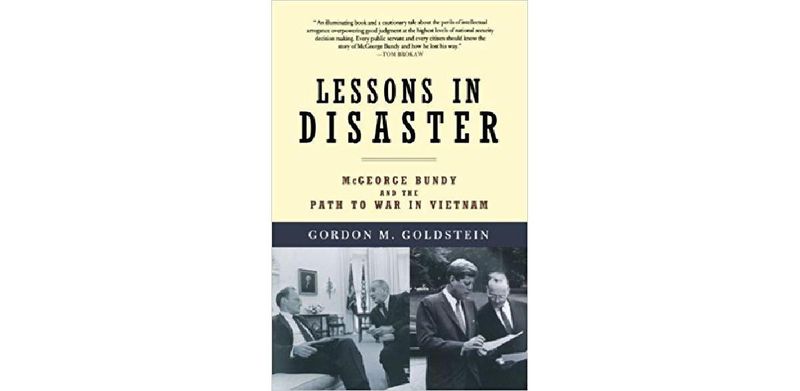
Lessons in Disaster: McGeorge Bundy and the Path to War in Vietnam
Recommended by Barack Obama (Former USA President)
Source: Every book Barack Obama has recommended during his presidency
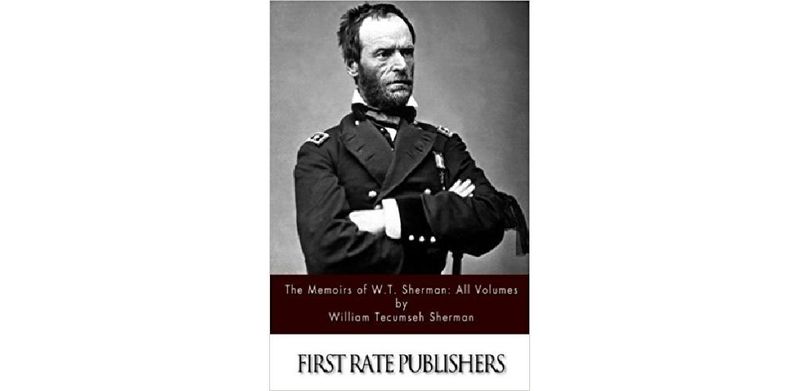
The Memoirs of W.T. Sherman
I went so deep into Civil War in 2012 that I lost track of all the books. I started this last year when I read Sherman by B.H Liddell Hart (and recommended as a favorite). I came to admire Sherman so deeply that I read two more books about him. I came to admire Sherman so deeply that I read two more books about him: Sherman’s Memoirs and a big old book from 1933 Sherman: Fighting Prophet.
Founder/Brass Check
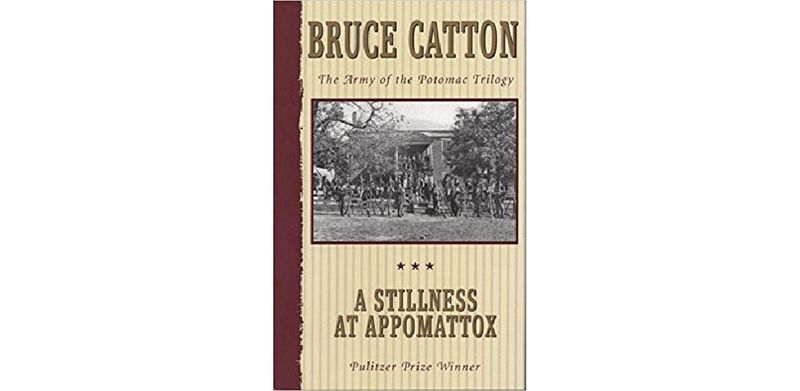
A Stillness at Appomattox
by Bruce Catton
This year I loved Bruce Catton’s This Hallowed Ground: A History of the Civil War and A Stillness at Appomattox. If you want to understand the Civil War and you want to see one of the greatest non-fiction writing ever, read Catton.
Founder/Brass Check
My Berlin Child
Recommended by Irina Botnari (Managing Partner & Co-Founder/Bucur's Shelter Hostel)
Source: Irina Botnari, Co-Founder at Bucur's Shelter Hostel, on Books, Her Love for Stories and Biographies
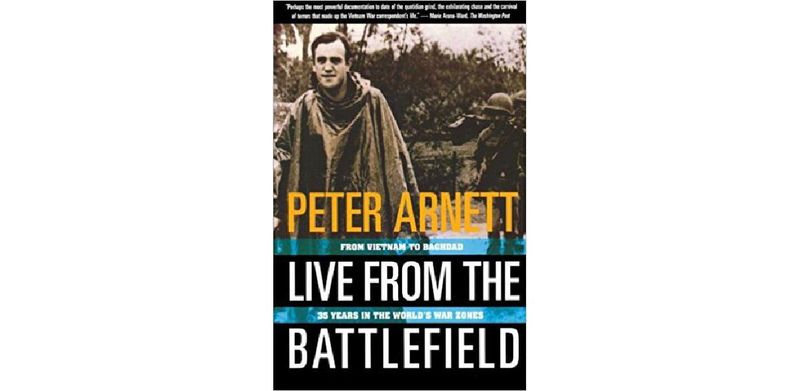
Live from the Battlefield: From Vietnam to Baghdad, 35 Years in the World’s War Zones
by Peter Arnett
I remember in particular reading the autobiography of CNN correspondent Peter Arnett (Peter Arnett - Live from the Battlefield), who grew up in a remote town in New Zealand, bored and looking for trouble as a teenager, much like I did in the remote town I was growing up in in The Netherlands. And I thought to myself, “well, he made it alright, and so can I”. And I think that helped.
Director/Cross Border Angels
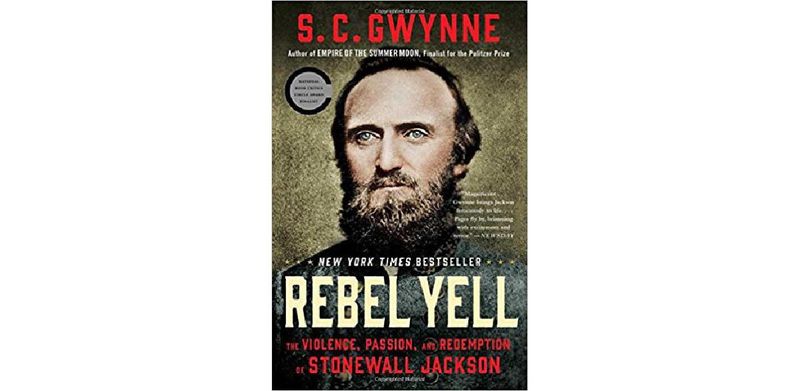
Rebel Yell: The Violence, Passion, and Redemption of Stonewall Jackson
by S.C. Gwynne
Recommended by Ryan Holiday (Founder/Brass Check)
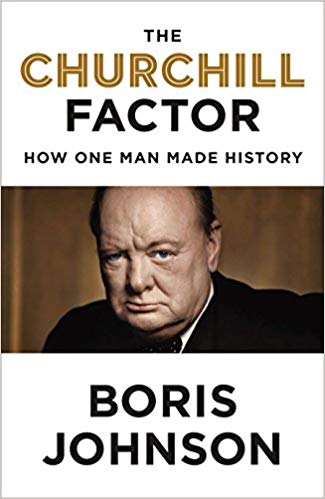
The Churchill Factor: How One Man Made History
There’s one book that I’ve given that it was just Christmas, that I’ve given away a lot of copies. This is a book about Winston Churchill by Boris Johnson. A very talented guy.
Actor, Politician & Businessman
Sherman, Fighting Prophet
by Lloyd Lewis
I went so deep into Civil War in 2012 that I lost track of all the books. I started this last year when I read Sherman by B.H Liddell Hart (and recommended as a favorite). I came to admire Sherman so deeply that I read two more books about him. I came to admire Sherman so deeply that I read two more books about him: Sherman’s Memoirs and a big old book from 1933 Sherman: Fighting Prophet.
Founder/Brass Check
Stalingrad: The Fateful Siege, 1942-1943
by Antony Beevor, Artemis Cooper
Recommended by Richard Branson (Founder/Virgin Group)
Fall of Giants
by Ken Follett
Recommended by Tudor Mihailescu (Finance and Business Enablement Manager)
Source: Book Recommendations from Tudor Mihailescu, Finance and Business Enablement Manager
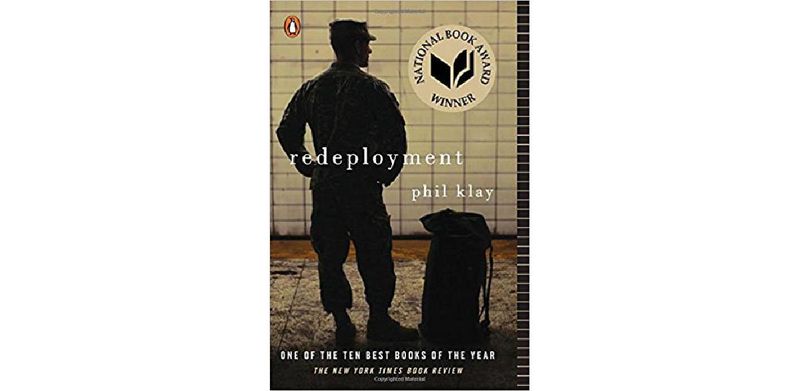
Redeployment
by Phil Klay
Recommended by Barack Obama (Former USA President)
Source: Every book Barack Obama has recommended during his presidency
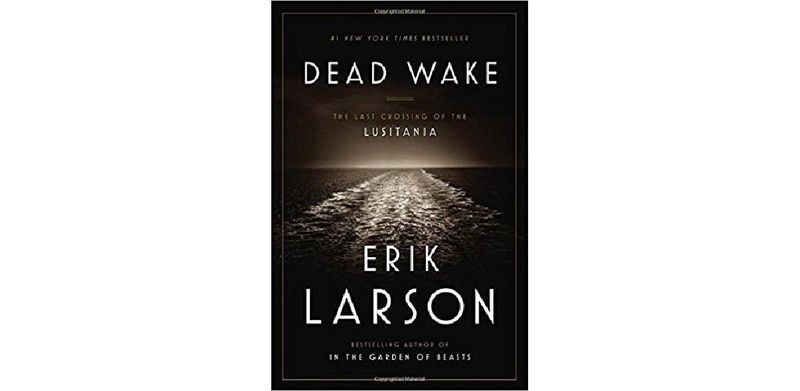
Dead Wake: The Last Crossing of the Lusitania
by Erik Larson
There's so much in this one about leadership, failures and how winners write history.
Founder/Project Include
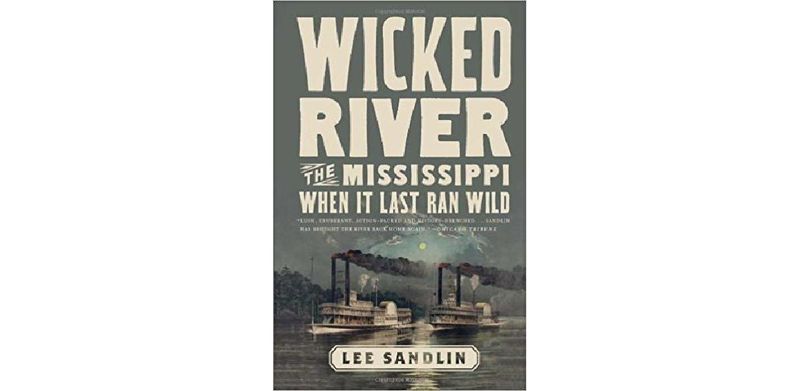
Wicked River: The Mississippi When It Last Ran Wild
by Lee Sandlin
In terms of obscure or unusual books related to the war, I love Incidents and Anecdotes of the Civil War by Admiral David Porter (1885) and Wicked River: The Mississippi When It Last Ran Wild by Lee Sandlin (plus his WWII article which is the best essay I’ve ever read).
Founder/Brass Check
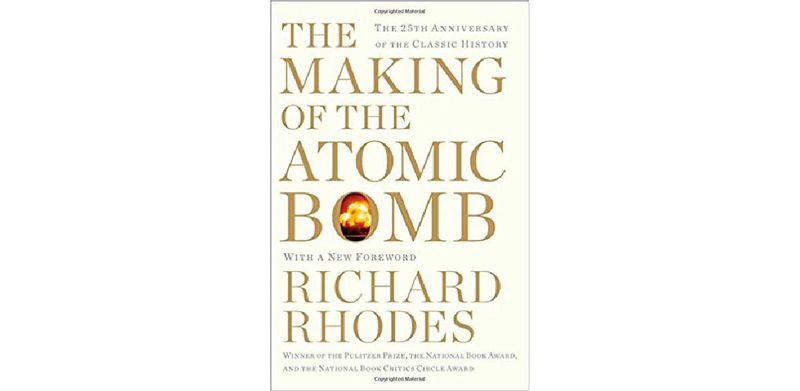
The Making of the Atomic Bomb
My favorite book is The Making of the Atomic Bomb by Richard Rhodes. It's a book that covers a vast range of topics over a fifty year period. It talks about the scientific advances that led to the bomb, the personalities that made those advances, and at the same time covers the political choices and escalation of violence over the course of the first half of the 20th Century that paint the use of the atomic bomb on Japan as an almost inevitable conclusion of that escalation. The prose is as incredible as the story. It's really a treat to rea
Founder/Connect Ventures
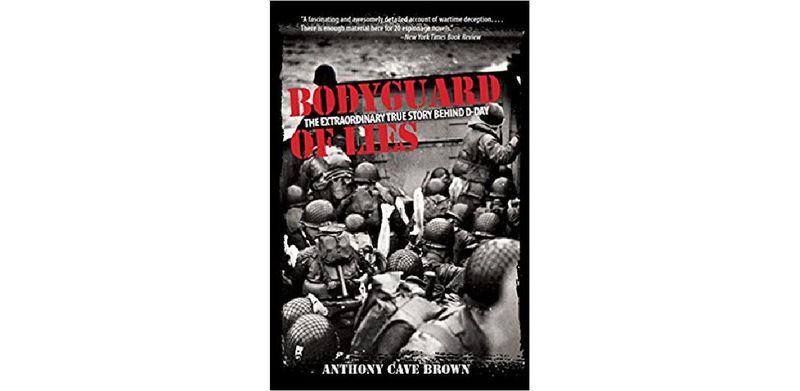
Bodyguard of Lies: The Extraordinary True Story Behind D-Day
The book is a masterclass in the art of strategy. (No wonder it was one of John Boyd’s favorites).
Founder/Brass Check
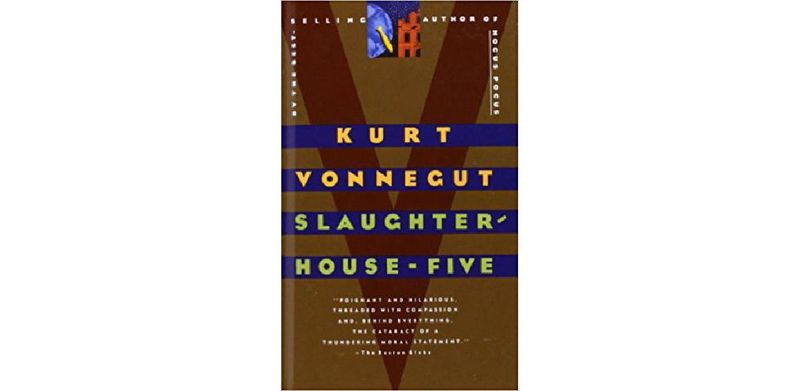
Slaughterhouse-Five
Recommended by Bernard Tan (Founder/ReCactus)
Most recommended by leaders
The books from this collection that the most leaders on The CEO Library recommend (two or more), ranked by the number of distinct recommenders.
1. The Art of War by Sun Tzu 15 recommenders
Which books should be read by every single intelligent person on planet? [...] The Art of War (Sun Tsu) [to learn that the act of killing fellow humans can be raised to an art]. If you read all of the above works you will glean profound insight into most of what has driven the history of the western world.
2. The Guns of August by Barbara W. Tuchman 4 recommenders
The best way to understand how the world resolves its conflicts and its tensions is by looking at how a conflict that has been studied thoroughly, like World War I, unfolded and resolved. Business is like this too. If anyone were to ever get to the heart of Coke vs. Pepsi, they would see a parade of mistakes in the same way World War I looks in retrospect—so many ways you could have done better.
3. Boyd: The Fighter Pilot who Changed the Art of War by Robert Coram 3 recommenders
Boyd was probably the greatest post-WWII military strategist; he developed the F-15 and F-16, revolutionized ground tactics in war and covertly designed the US battle plans for the Gulf War. He shunned wealth, fame, and power all to accomplish what he felt needed to be accomplished. Coram captures his essence in a way that no other author has touched.
4. One Bullet Away: The Making of a Marine Officer by Nathaniel Fick 3 recommenders
[One of] the books I’ve read the most.
5. Upheaval: Turning Points for Nations in Crisis by Jared Diamond 3 recommenders
I’m a big fan of everything Jared has written, and his latest is no exception. The book explores how societies react during moments of crisis. He uses a series of fascinating case studies to show how nations managed existential challenges like civil war, foreign threats, and general malaise. It sounds a bit depressing, but I finished the book even more optimistic about our ability to solve problems than I started.
6. Grant by Ron Chernow 2 recommenders
This is a good time for Ron Chernow’s fine biography of Ulysses S. Grant to appear… As history, it is remarkable, full of fascinating details sure to make it interesting both to those with the most cursory knowledge of Grant’s life and to those who have read his memoirs or any of several previous biographies… For all its scholarly and literary strengths, this book’s greatest service is to remind us of Grant’s significant achievements at the end of the war and after, which have too long been overlooked and are too important today to be left in the dark… As Americans continue the struggle to defend justice and equality in our tumultuous and divisive era, we need to know what Grant did when our country’s very existence hung in the balance. If we still believe in forming a more perfect union, his steady and courageous example is more valuable than ever.
7. Lincoln in the Bardo by George Saunders 2 recommenders
I thought I knew everything I needed to know about Abraham Lincoln, but this novel made me rethink parts of his life. It blends historical facts from the Civil War with fantastical elements—it’s basically a long conversation among 166 ghosts, including Lincoln’s deceased son. I got new insight into the way Lincoln must have been crushed by the weight of both grief and responsibility. This is one of those fascinating, ambiguous books you’ll want to discuss with a friend when you’re done.
8. On War by Carl Von Clausewitz 2 recommenders
Reid read Carl von Clausewitz and Sun Tzu as a boy, which informed his strategic thinking.
9. Presidents of War by Michael Beschloss 2 recommenders
Once again, Beschloss captures our Presidents in terms both historic and human, showing that whoever holds the office will fearlessly—or fearfully—impact our world.
10. The Fifth Domain: Defending Our Country, Our Companies, and Ourselves in the Age of Cyber Threats by Richard A. Clarke and Robert K. Knake 2 recommenders
In the battle raging between offense and defense in cyberspace, Clarke and Knake have some important ideas about how we can avoid cyberwar for our country, prevent cybercrime against our companies, and in doing so, reduce resentment, division, and instability at home and abroad.
11. The Rise and Fall of the Third Reich: A History of Nazi Germany by William L. Shirer 2 recommenders
The most definitive historical account of World War II, the Nazi Party and the Holocaust.