Best Startup Books: 50 Picks Recommended by CEOs
Three books lead the list. Eric Ries’s The Lean Startup replaces the business plan with fast experiments and validated learning; Peter Thiel’s Zero to One, drawn from his Stanford course, argues for building something new and defensible instead of copying what works; and Ben Horowitz’s The Hard Thing About Hard Things covers the problems of running a technology company that business schools skip, from firing friends to deciding when to sell.
The list is for founders building companies meant to grow fast, and for the people who join, fund and advise them. The core books follow the path of a startup: testing ideas with customers (The Four Steps to the Epiphany, The Mom Test, Running Lean), finding traction and building sales, raising venture money and reading term sheets (Venture Deals, Secrets of Sand Hill Road), working with a board and scaling (Blitzscaling). Founders at Work, Lost and Founder and Startup: A Silicon Valley Adventure show the early years from the inside.
The related tier adds books mainly about something else that startup people keep returning to: disruption and technology marketing, management and OKRs, habit-forming products, and company stories from Twitter, Facebook, PayPal, Uber and Theranos. Guides to small businesses, side projects and online shops sit in the separate lists on starting a business.
We ranked these 50 books by how many of the 1,088 founders, CEOs and leaders on The CEO Library recommend them: first the 28 books mainly about startups, then 22 related books under Also worth reading.
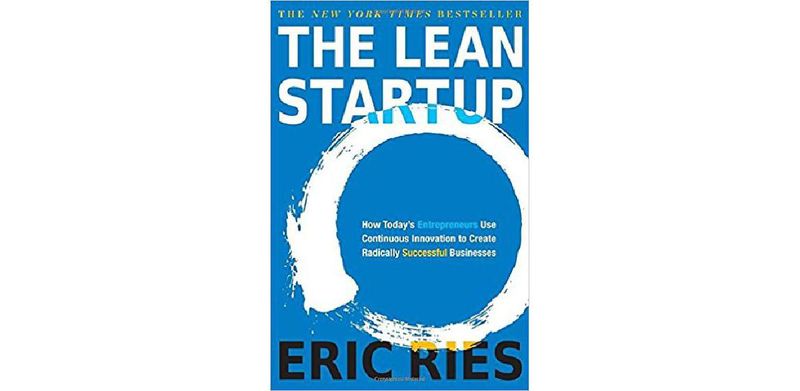
1. The Lean Startup
by Eric Ries
Recommended by 46 leaders, including Sheryl Sandberg, Jay Shetty and Marc Andreessen
Eric Ries treats a startup as any team building something new under extreme uncertainty, and swaps the long business plan for quick experiments, validated learning and honest measures of progress. Sheryl Sandberg liked its look at how the tech industry builds products and businesses.
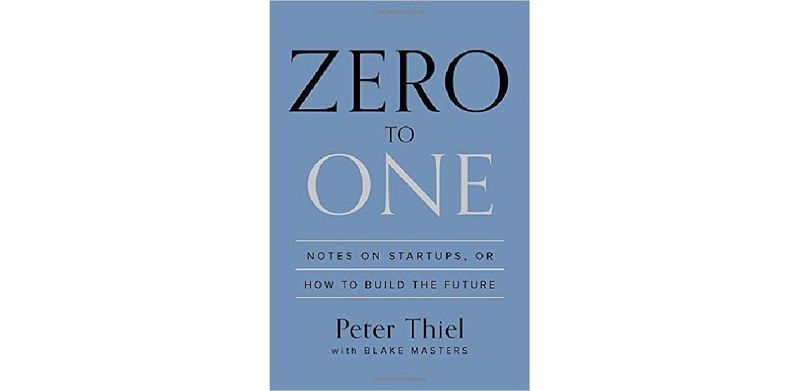
2. Zero to One: Notes on Startups, or How to Build the Future
Recommended by 38 leaders, including Elon Musk, Rupert Murdoch and Mark Zuckerberg
Peter Thiel’s notes from his Stanford startup course argue that founders should create something new rather than copy what already works, and should aim for a defensible monopoly instead of open competition. Elon Musk said Thiel has built several breakthrough companies and the book shows how.
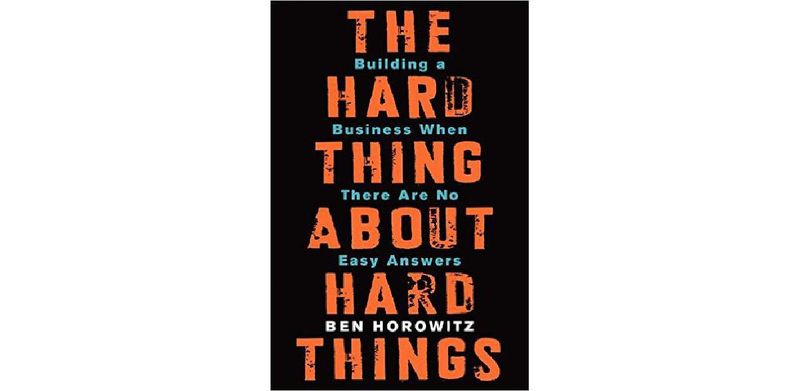
3. The Hard Thing About Hard Things: Building a Business When There Are No Easy Answers
by Ben Horowitz
Recommended by 38 leaders, including Peter Thiel, Mark Zuckerberg and Larry Page
Ben Horowitz draws on his own years founding and running technology companies to cover problems business schools rarely teach, such as firing friends, recruiting from rivals and knowing when to sell. Michael Dell praised its candor about the thrills and dangers of starting a company.
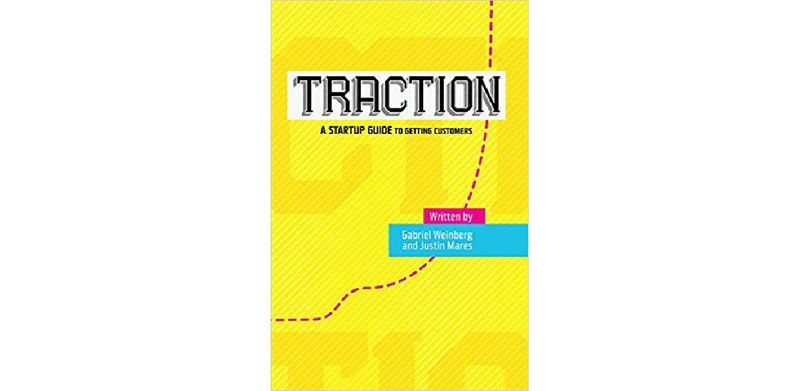
4. Traction: A Startup Guide to Getting Customers
by Gabriel Weinberg, Justin Mares
Recommended by 9 leaders, including Ola Olusoga, Joel Gascoigne and Gunhee Park
Gabriel Weinberg and Justin Mares argue that customer growth decides a startup’s fate, then map nineteen acquisition channels and a three-step Bullseye method for choosing among them. Joel Gascoigne took from it the habit of giving traction as much time as product work.
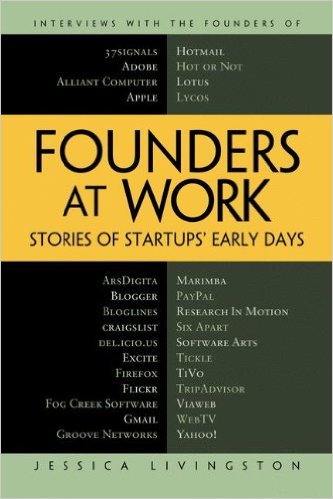
5. Founders At Work: Stories of Startups’ Early Days
Recommended by 8 leaders, including Ryan Holiday, Joel Gascoigne and Bogdan Iordache
Jessica Livingston asks the founders of 32 technology companies, Steve Wozniak among them, how their ideas began, how they persuaded investors and which mistakes they survived. Joel Gascoigne read it in Buffer’s first months and found it inspiring and practical.
6. Venture Deals: Be Smarter Than Your Lawyer and Venture Capitalist
Recommended by 6 leaders, including Tim Ferriss, Ola Olusoga and Erik Cheong
Brad Feld and Jason Mendelson walk founders through a venture capital term sheet clause by clause, explaining valuations, how investors get paid and how terms shift from seed to later rounds. Tracy Osborn said she consulted it almost every day while raising money.

7. The Four Steps to the Epiphany
by Steve Blank
Recommended by 4 leaders, including Marc Andreessen, Antonio Eram and Neal O'Gorman
Steve Blank holds that a startup is searching for a business model rather than running one, and lays out a four-step Customer Development process for testing assumptions with customers while mistakes are still cheap. Marc Andreessen told readers to keep it under their pillow.
8. Do More Faster: TechStars Lessons to Accelerate Your Startup
by Brad Feld, David Cohen
Recommended by 4 leaders, including Joel Gascoigne, Magda Marcu and Jilliene Helman
Brad Feld and David Cohen gather short essays from TechStars mentors and founders on lessons repeated inside the accelerator, grouped around vision, fundraising, legal structure and work/life balance. Jilliene Helman calls it her favorite read for a company’s very earliest days.
9. Blitzscaling: The Lightning-Fast Path to Building Massively Valuable Companies
Recommended by 6 leaders, including Sam Altman, Bill Gates and Sheryl Sandberg
Reid Hoffman and Chris Yeh study the rare startups that become global giants and describe how to grow at extreme speed, arguing that every stage of growth needs new strategies, hiring practices and a changed founder role. Sam Altman read an early copy and wanted to recommend it to everyone.

10. The Mom Test: How to talk to customers & learn if your business is a good idea when everyone is lying to you
Recommended by 3 leaders: Roxana Bitoleanu, Mikhail Dubov and Chandini Jain
Rob Fitzpatrick teaches founders to question customers in ways that surface the truth, since asking anyone whether an idea is good invites polite lies. Roxana Bitoleanu would start her own list with it, as the one resource on asking questions without sounding too eager.
11. The Messy Middle
by Scott Belsky
Recommended by 4 leaders, including Alexis Ohanian, Joe Gebbia and Seth Godin
Scott Belsky looks at the long stretch after a venture’s launch and first funding, drawing on research with founders and companies of every size to offer lessons on teams, products and leading through the ups and downs. Alexis Ohanian wants every founder to read it.

12. Secrets of Sand Hill Road: Venture Capital and How to Get It
by Scott Kupor
Recommended by 4 leaders, including Sam Altman, Eric Schmidt and Adena Friedman
Scott Kupor of Andreessen Horowitz explains how venture capitalists choose companies and size their bets, and how founders can win good terms, pitch with a story, survive a down round and handle investors who get too involved. A sample term sheet is included.
13. Lost and Founder: A Painfully Honest Field Guide to the Startup World
by Rand Fishkin
Recommended by 4 leaders, including Seth Godin, Nir Eyal and Julie Zhuo
Rand Fishkin uses the story of Moz, his marketing software company, to question popular startup advice on minimum viable products, growth hacking and venture money, describing fifteen years of debt, growth and hard lessons. Seth Godin praised its honesty about the lows of building a company.
14. Startup: A Silicon Valley Adventure
by Jerry Kaplan
Recommended by 2 leaders: Bill Gurley and Scott Johnson
Jerry Kaplan recounts founding GO Corporation in 1987 to create pen-based handheld computers, and the crises, quarrelsome team and risk-hungry investors that followed. Bill Gurley names it among the books he recommends that startups read.
15. Startup Boards: Getting the Most Out of Your Board of Directors
by Brad Feld, Mahendra Ramsinghani
Recommended by 4 leaders, including Steve Case, Eric Ries and David Cohen
Brad Feld and Mahendra Ramsinghani explain how a startup board works and how founders should choose members, run meetings and use outside directors to stay accountable and reach milestones. Steve Case, who has sat on many boards, praised its help in building one and using it wisely.
16. Hot Seat: The Startup CEO Guidebook
by Dan Shapiro
Recommended by 2 leaders: Cody McLain and Kristen Hamilton
Dan Shapiro, who has founded and led four companies, splits the startup chief executive’s job into founding, funding, leadership, management and endgame, with stories of companies that thrived or died on each point. Kristen Hamilton called the advice solid and realistic.
17. Running Lean: Iterate from Plan A to a Plan That Works
by Ash Maurya
Recommended by 2 leaders: Ola Olusoga and Garrett Moon
Ash Maurya offers a step-by-step process for testing product ideas fast and reaching product/market fit, blending Lean Startup, Customer Development and bootstrapping, down to when to pivot and when to raise a large round. Garrett Moon recommends it for building products the lean way.
18. The Monk and the Riddle: The Art of Creating a Life While Making a Living
Recommended by 2 leaders: Marvin Liao and Joel Gascoigne
Randy Komisar’s narrative follows two would-be founders through meetings with investors, showing how startups begin and venture deals get struck, though its larger theme is finding fulfillment in work. Joel Gascoigne took from it the idea of the deferred life plan.
19. Entering StartUpLand: An Essential Guide to Finding the Right Job
Recommended by 3 leaders: Eric Ries, Brad Feld and Danielle Morrill
Jeffrey Bussgang writes for the employees who join young companies instead of founding them, breaking down roles in product, sales, growth and marketing and explaining how to find, judge and land a place at a young company. Eric Ries called it required reading for joiners.
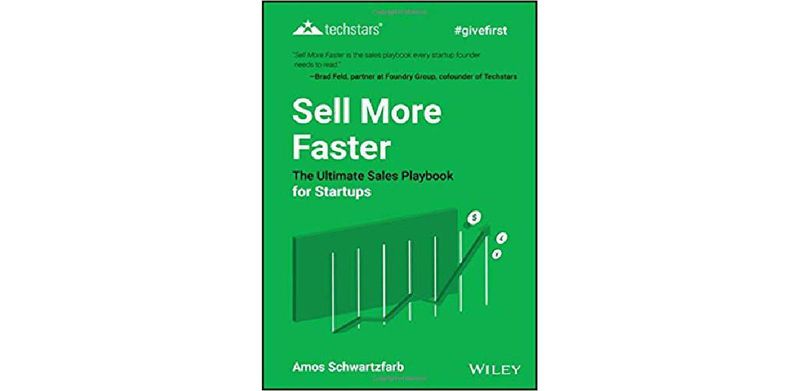
20. Sell More Faster: The Ultimate Sales Playbook for Start-Ups (Techstars)
Recommended by 3 leaders: Brad Feld, Aziz Gilani and Kurt Rathmann
Techstars Austin managing director Amos Schwartzfarb argues that slow early revenue sinks most startups, and explains how to build and scale a startup sales team, hire people who can sell and use traction to raise venture money. Brad Feld endorsed it for every founder.
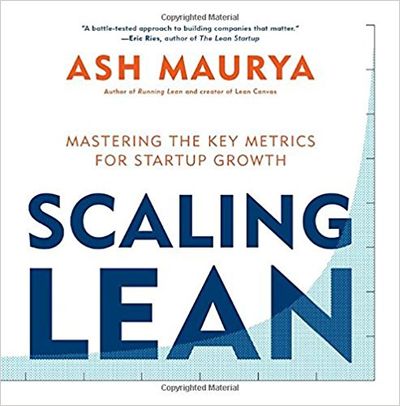
21. Scaling Lean: Mastering the Key Metrics for Startup Growth
by Ash Maurya
Recommended by 1 leader: Eric Ries
Ash Maurya picks up after founders have talked to customers and built a first version, showing which metrics prove a business model works and why traction beats current revenue as a measure. Eric Ries presents it as the sequel to Running Lean, about moving from startup to lasting business.
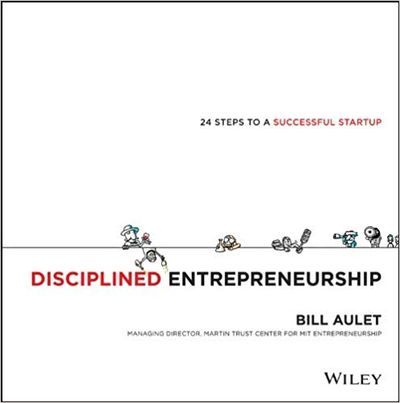
22. Disciplined Entrepreneurship: 24 Steps to a Successful Startup
by Bill Aulet
Recommended by 1 leader: Maya Zlatanova
Bill Aulet, who runs MIT’s center for entrepreneurship, disputes the idea that founding a company cannot be taught, and turns the work of building a startup around a new product into 24 learnable steps, with focus as the central discipline.
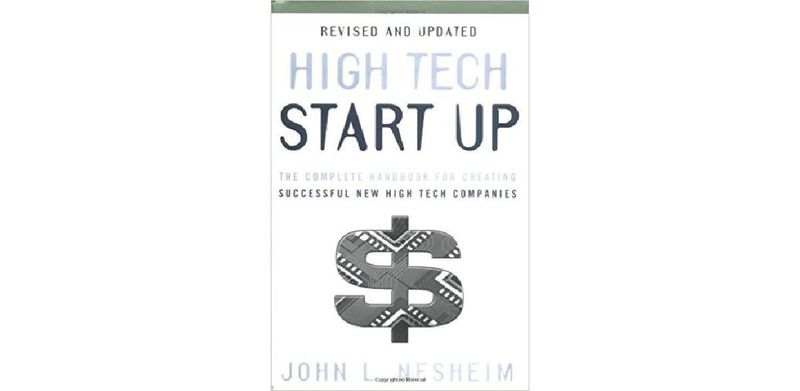
23. High Tech Startup: The Complete Handbook for Creating Successful New High Tech Companies
Recommended by 1 leader: Lucas Morales
John Nesheim covers a high-tech company’s path from first idea to public offering, with case studies of successful startups and guidance on business plans, valuation, venture capital, lawyers and intellectual property. Lucas Morales found it dated but revealing about how startup investing has changed.
24. Lean Analytics: Use Data to Build a Better Startup Faster
by Alistair Croll, Benjamin Yoskovitz
Recommended by 1 leader: Ola Olusoga
Alistair Croll and Ben Yoskovitz show how a startup can use data to choose its product and market before the money runs out, built around the One Metric That Matters at each stage and conversations with over 100 founders and investors.
25. Startup Evolution Curve From Idea to Profitable and Scalable Business: Startup Marketing Manual
Recommended by 1 leader: Nicolae Andronic
Donatas Jonikas based the startup marketing manual on research into 1,447 startups, giving steps, real examples and templates for turning an innovative idea into a profitable business that can scale. Nicolae Andronic uses it as a reference while handling marketing for his own startup.
26. The Founder’s Dilemmas: Anticipating and Avoiding the Pitfalls That Can Sink a Startup
Recommended by 1 leader: Cody McLain
Noam Wasserman’s research on nearly 10,000 founders examines the early people decisions that sink or save startups: going solo or with cofounders, founding with friends, splitting equity and when a founder-CEO should step aside. Cody McLain recommends it for running a startup.

27. The Launch Pad: Inside Y Combinator, Silicon Valley’s Most Exclusive School for Startups
Recommended by 1 leader: Scott Johnson
Journalist Randall Stross follows Y Combinator’s summer 2011 batch through three months of building companies under its partners, from founders dropping first ideas midway to Demo Day pitches before angel investors and venture capitalists. Scott Johnson recommends it.
28. The Startup Owner’s Manual: The Step-By-Step Guide for Building a Great Company
by Steve Blank, Bob Dorf
Recommended by 1 leader: Bill Earner
Steve Blank and Bob Dorf turn Customer Development into a detailed manual with checklists, using the Business Model Canvas to lay out a young company’s hypotheses and sending founders out to customers before they build. Bill Earner calls it a fuller, how-to version of the Lean Startup.
Also worth reading
29. The Innovator’s Dilemma: When New Technologies Cause Great Firms to Fail
Recommended by 19 leaders, including Jeff Bezos, Steve Jobs and Mark Cuban
Clayton Christensen’s study is mainly about why well-run incumbents lose their lead, but its account of disruptive innovation explains the opening newcomers exploit with crude technology that keeps improving. Bill Gurley called it the clearest analysis of how startups manage to disrupt.
30. Hooked: How to Build Habit-Forming Products
by Nir Eyal
Recommended by 15 leaders, including Matt Mullenweg, Raluca Radu and Erik Cheong
Nir Eyal’s Hook Model is mainly about product design, explaining how products such as Twitter and Pinterest form habits that bring users back without heavy advertising. Eyal set out to write the hands-on guide he lacked as a startup founder.
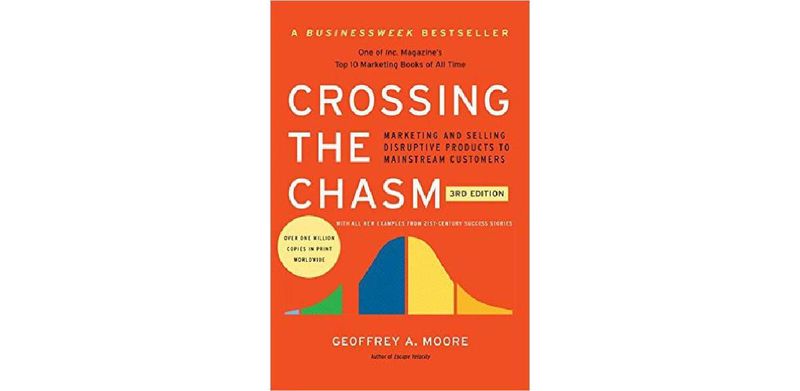
31. Crossing the Chasm: Marketing and Selling Disruptive Products to Mainstream Customers
Recommended by 11 leaders, including Bill Gurley, Seth Godin and Bogdan Iordache
Geoffrey Moore’s book is mainly about marketing technology products, and its account of the gap between early adopters and the pragmatic majority gives young tech companies a plan for winning one customer group at a time. Bill Gurley calls it required reading for enterprise plays.
32. Bad Blood: Secrets and Lies in a Silicon Valley Startup
Recommended by 9 leaders, including Bill Gates, Alexis Ohanian and David Heinemeier Hansson
John Carreyrou’s investigation is mainly a story of fraud, following the founder of a blood-testing startup as it reached a valuation above $9 billion with technology that did not work. Bill Gurley said every player in the startup world should read it.
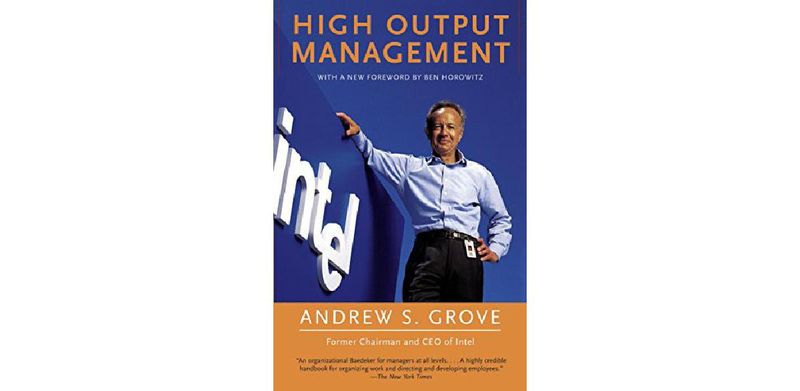
33. High Output Management
Recommended by 8 leaders, including Mark Zuckerberg, Marc Andreessen and Tobi Lütke
Andrew Grove’s manual is mainly about management, drawn from his years running Intel and covering objectives and key results, performance reviews, training and productive teams. Tobi Lütke likes that it takes business apart into first principles.
34. Hatching Twitter: A True Story of Money, Power, Friendship, and Betrayal
by Nick Bilton
Recommended by 5 leaders, including Casey Neistat, Ola Olusoga and Santiago Basulto
Nick Bilton’s narrative is mainly a corporate drama about Twitter’s four founders, who built the service out of a failed podcasting startup and then fought over money and control as it grew. Casey Neistat said reading it gave him the confidence to start a tech company.
35. The Startup Way
by Eric Ries
Recommended by 7 leaders, including Reid Hoffman, Arianna Huffington and Seth Godin
Eric Ries applies Lean Startup thinking mainly to established companies, nonprofits and governments, building a system of entrepreneurial management from his work with firms from GE and Toyota to Twilio and Airbnb. Aaron Levie praised how it keeps an entrepreneurial culture alive through growth.
36. Measure What Matters: How Google, Bono, and the Gates Foundation Rock the World With OKRs
by John Doerr
Recommended by 5 leaders, including Reid Hoffman, Walter Isaacson and John Chambers
John Doerr’s book is about the OKR goal-setting system, which he learned under Andy Grove at Intel and taught to Google’s founders soon after investing in their startup, with case studies from companies that use it. Reid Hoffman pointed it at first-time founders and seasoned CEOs alike.

37. Chaos Monkeys: Inside the Silicon Valley Money Machine
Recommended by 3 leaders: Ramit Sethi, Antonio Eram and Mike Dudas
Antonio Garcia Martinez’s memoir is mainly about his own career, from Goldman to a startup he sold to Twitter and then Facebook’s ads team, explaining venture capital and startups along the way. Mike Dudas found it a fun read on growing a business in Silicon Valley.
38. The Facebook Effect: The Inside Story of the Company That Is Connecting the World
Recommended by 3 leaders: Craig Pearce, Angela Pham and Steve Benjamins
David Kirkpatrick’s history is mainly about Facebook’s growth from a dorm-room project to 500 million users, showing how its young founder put growth ahead of profit and sold equity to protect his vision. Angela Pham said it turned her into a fan of the company’s leaders years before she joined.

39. Trillion Dollar Coach: The Leadership Playbook of Silicon Valley’s Bill Campbell
by Eric Schmidt, Jonathan Rosenberg, Alan Eagle
Recommended by 4 leaders, including Tim Cook, Sundar Pichai and Sheryl Sandberg
Eric Schmidt, Jonathan Rosenberg and Alan Eagle write mainly about leadership, recording the methods of Bill Campbell, the coach behind Google, Apple and Intuit, for building trust and resolving tension inside fast-moving teams. Tim Cook praised it for keeping Campbell’s spirit alive for future generations.
40. Hackers & Painters: Big Ideas from the Computer Age
by Paul Graham
Recommended by 5 leaders, including Evan Williams, Chris Anderson and Yukihiro Matsumoto
Paul Graham’s essays range mainly across programming languages, software design and free speech, with pieces on internet startups and how wealth is created. Evan Williams singled out two of its essays, including How to Make Wealth, for explaining misunderstood economic principles.
41. Hacking Growth: How Today’s Fastest-Growing Companies Drive Breakout Success
Recommended by 4 leaders, including Eric Ries, Nir Eyal and Kyrylo Taranenko
Sean Ellis and Morgan Brown’s growth hacking method is mainly a marketing discipline, using cross-functional teams and fast test cycles to win and keep customers, modeled on how Airbnb, Pinterest and Uber grew. Nir Eyal praised it for breaking down silos between product, data and marketing.

42. Reboot: Leadership and the Art of Growing Up
Recommended by 4 leaders, including Angela Duckworth, Adam Grant and Brad Feld
Jerry Colonna, a former venture capitalist who coaches startup CEOs, writes mainly about leadership and self-inquiry, helping founders face the habits that built their success yet hurt their relationships and health. Angela Duckworth praised it for showing that a business cannot grow unless its leader does.
43. From Impossible To Inevitable: How Hyper-Growth Companies Create Predictable Revenue
Recommended by 2 leaders: Vincenzo Ruggiero and Jeremy Boudinet
Aaron Ross and Jason Lemkin focus mainly on sales and revenue, drawing a seven-ingredient hypergrowth playbook from Salesforce, EchoSign and Zenefits, from nailing a niche to building a predictable pipeline. Jeremy Boudinet found it very tech-focused and full of ideas for people in startups.
44. Start-Up Nation: The Story of Israel’s Economic Miracle
by Dan Senor, Saul Singer
Recommended by 2 leaders: Bogdana Butnar and Iulian Stanciu
Dan Senor and Saul Singer write mainly about Israel’s economy, asking why the small country produces more startups per person than larger nations and pointing to military service and immigrants willing to start from scratch.
45. The Upstarts: How Uber, Airbnb, and the Killer Companies of the New Silicon Valley Are Changing the World
by Brad Stone
Recommended by 2 leaders: Craig Pearce and Ee Ling Lim
Brad Stone’s account is mainly a history of Uber and Airbnb, tracing their founding, the rise of their founders and their fights with regulators. Ee Ling Lim suggests it as light reading for anyone weighing entrepreneurship.
46. Angel: How to Invest in Technology Startups
Recommended by 1 leader: Brad Feld
Jason Calacanis writes mainly for investors, explaining how angels judge young technology companies, weigh risk against reward and get used well by the best startups. Brad Feld found it as outspoken as its author and full of gems.

47. Disrupted: My Misadventure in the Start-Up Bubble
by Dan Lyons
Recommended by 1 leader: Irina Marinescu
Dan Lyons’s memoir of joining HubSpot at 50 after losing his Newsweek job is mainly a critique of one start-up’s culture and management, from Friday parties to vague job titles. Irina Marinescu said it helped her stay grounded amid the excitement of the startup era.
48. Startup Life: Surviving and Thriving in a Relationship with an Entrepreneur
Recommended by 1 leader: AnneMarie Schindler
Brad Feld and Amy Batchelor write mainly about relationships, offering couples where one partner runs a young company practical ways to handle scarce time, long absences and the swings of startup life. AnneMarie Schindler found it once her husband started their first gym.
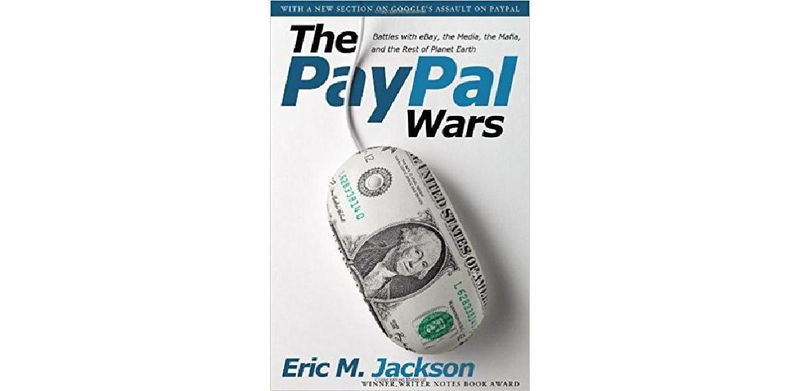
49. The PayPal Wars
Recommended by 1 leader: Mike Dudas
Eric Jackson, who ran marketing at PayPal, gives an insider history of the company from its 1999 launch to the eBay sale, as it survived the dot-com bust and fought regulators, banks and eBay itself. Mike Dudas said it reads almost like a novel rather than a business manual.

50. Super Pumped: The Battle for Uber
by Mike Isaac
Recommended by 1 leader: John Carreyrou
Mike Isaac’s reporting is mainly a corporate history of Uber, from its founding as UberCab to its public offering, covering Travis Kalanick’s rise and ouster and the company’s culture battles. John Carreyrou called it a parable about how far some founders go to gain and hold power.